shooting panoramic photos on Pentax 6×7

Panoramic photos weren’t interesting to me from the beginning but since Nick Carver shows how wonderful panoramic photos can be, and other Youtubers’ talked about the Xpan and panoramic photos, I slowly get curious of this format. After awhile, I think I enjoy looking at panoramic photos because of the wide scenes and so much elements we can include in one frame. The feeling of looking at a photo from left to right slowly to appreciate the details and how the elements interact with each other in the shot is very enjoyable to me. So I tried panoramic photos for the first time, with my Pentax 6×7.

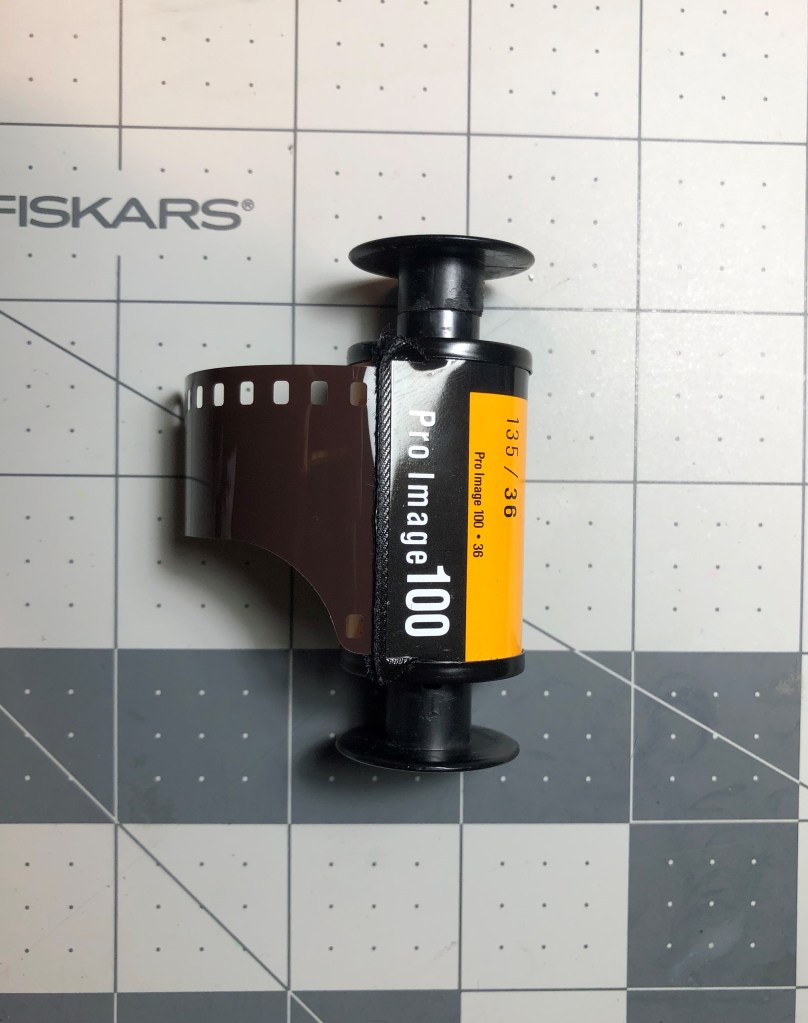
In other methods I saw on Youtube, most people use the adapter for the 35mm film canister and load the film into the camera with an extension paper at the beginning of the film roll so they don’t waste the film while winding the camera for the first shot. The down side of this method is you have to unload the film in the dark when you finish the roll, because you cannot rewind the film back into the canister when you finish so you have to go into a dark room or put your camera in a dark bag to take the film out of the film back and rewind it into the canister. This will limit your shooting experience in the field, if you can’t have a access to a dark room or dark bag, you cannot take the film out and load the new roll in. So I came up with this method, including 2 film canisters/cassettes, one is your brand new canister and one to take the film in, this one acts like the pick up spoon in normal scenario, but it can protect your film from the light.

First, I made 2 pairs of 35mm film cannister adapters from old empty 120 film spoons. You can buy them dirt cheap online but on the day I wasn’t be patient enough to wait for the delivery so I made my own. It’s not beautiful at all but it works well. If you do it yourself like I did, one thing you should make sure is checking the length of the adapters carefully, so when you put it on the 35mm film canister, it will have the same height as a regular 120 film spoon. If it’s too high, it won’t fit in your film back, if it’s too short, it won’t stay straight and neat in your film back, this may cause damage to your film back.
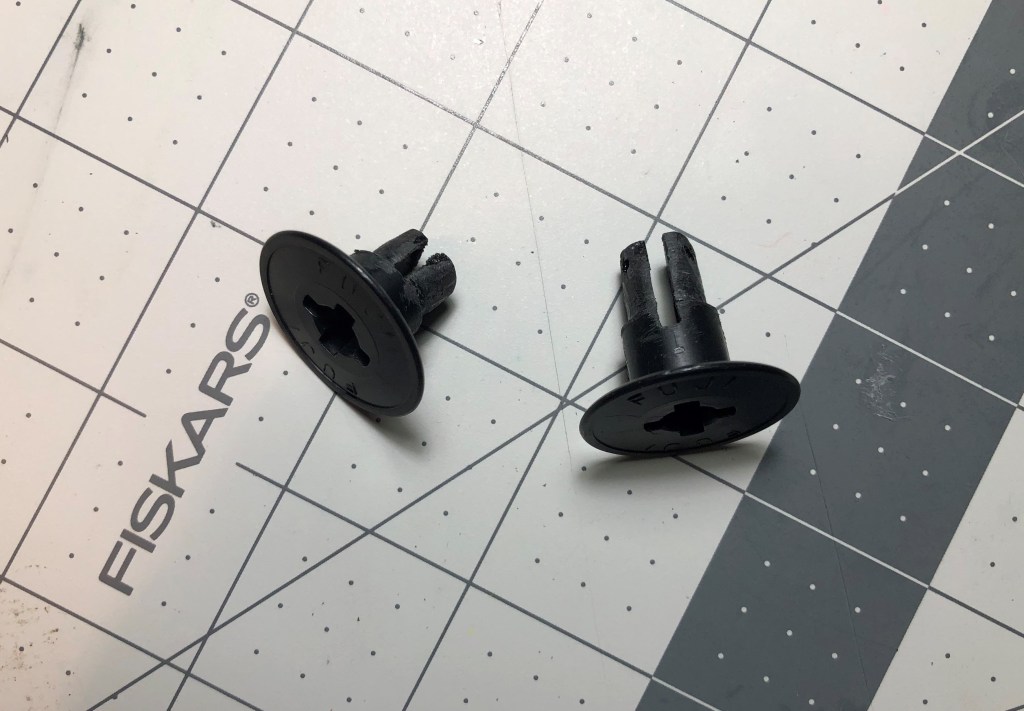
So, how to prepare your pick up canister? We’re going to step 2.

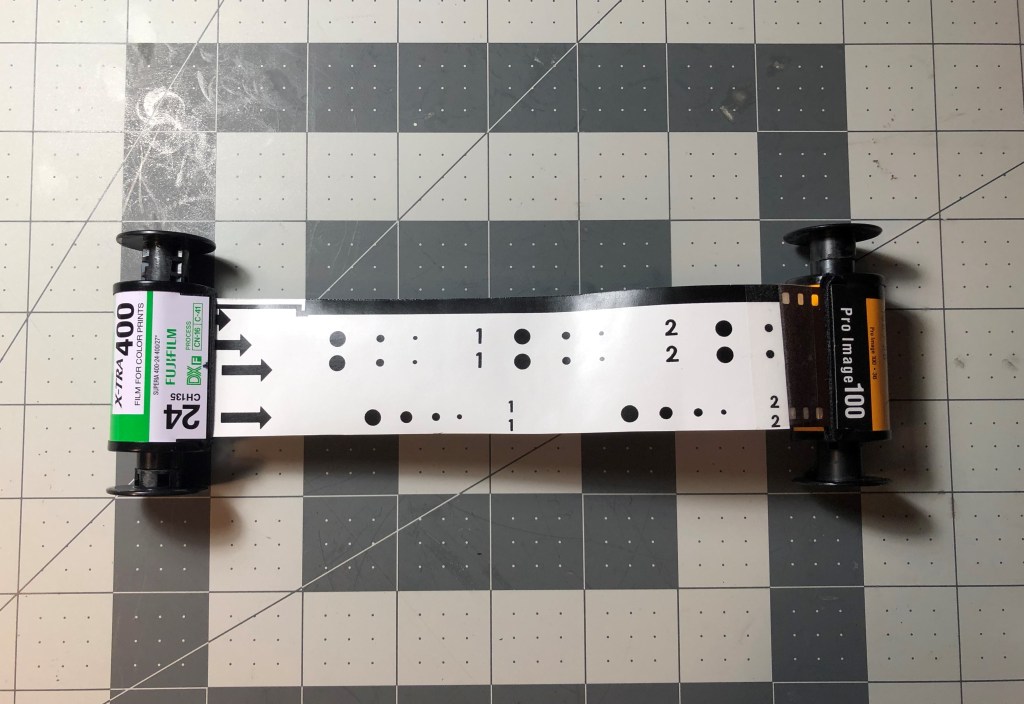
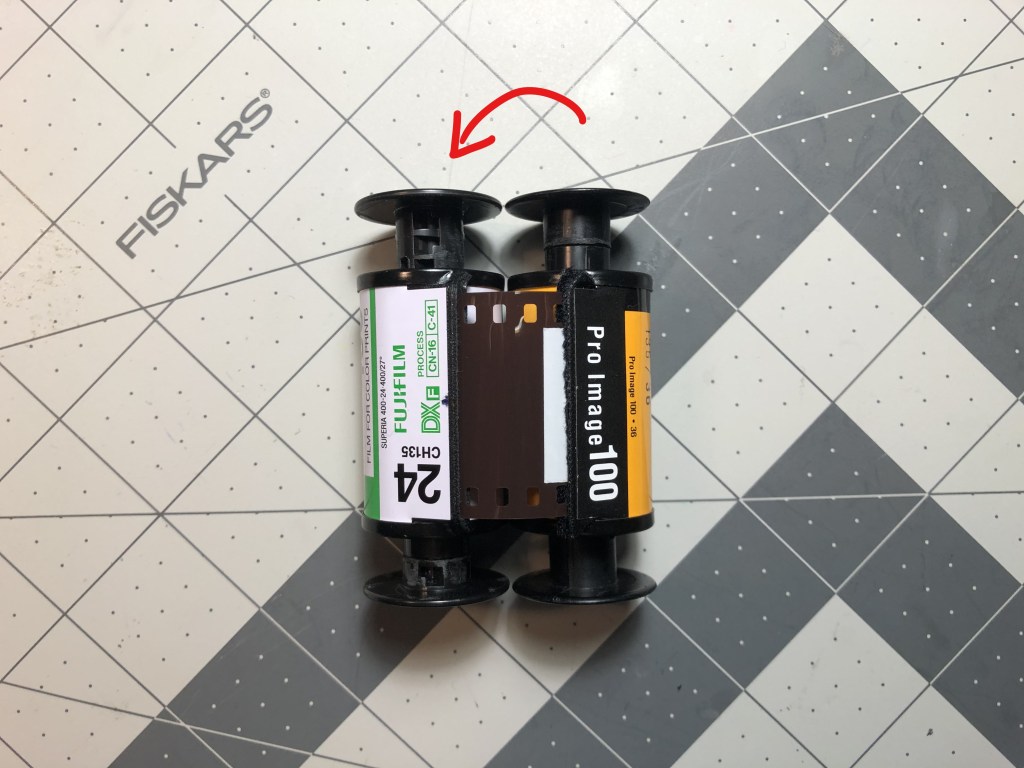
Step 2: Made the pick up canister/cassette from a old empty film canister/cassette, which still has a short amount of film left so you can tape a piece of paper on the actual film left. This piece of paper I cut from a backing paper of a 120 film roll, measured the wide is 35mm (same as the wide of the actual 35mm film) and the length is 18 cm. I taped one end of the paper strip to the film left on the old cannister and then taped the film lead from the new film roll to the other side of the paper strip, as photos below (step 2b).

Step 3: Transfer the film from the original cassette into the empty cassette in the dark bag. So now you have 2 cassettes connected, and the film will be transferred from the new cassette into the empty cassette. Of course the transfer process is done in the dark bag. Why you must transfer the film from new cassette to the empty one? Because the point of this method is to let you unload the film in day light. So when you finish the roll and wind all the film to its original cassette, you open the camera back to take the film out, the backing paper strip that you taped earlier will be there at the end of the roll, and you don’t loose any last photo.

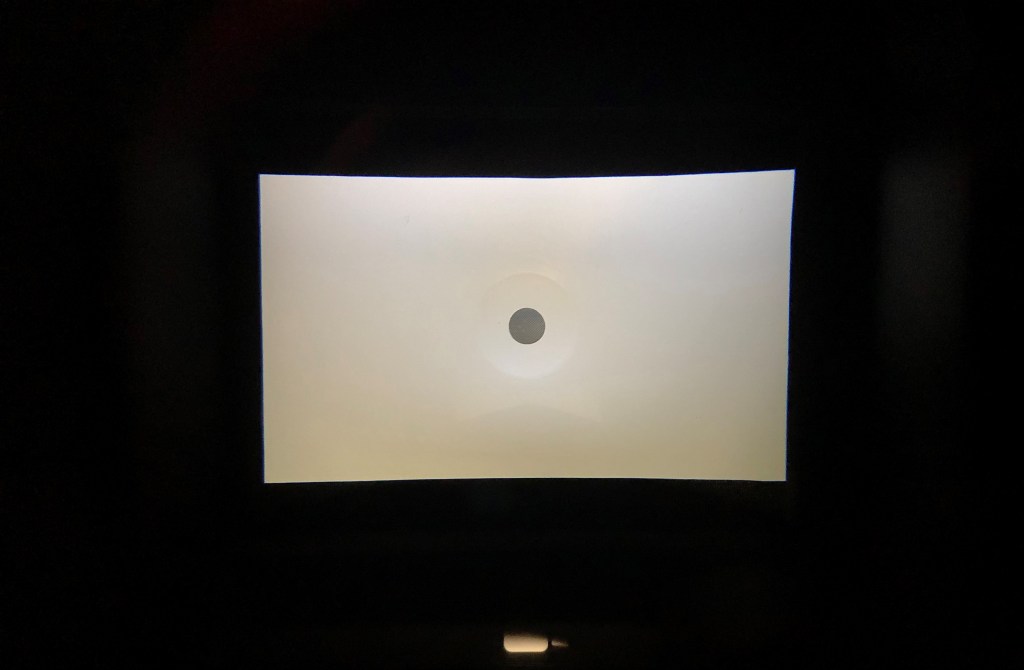
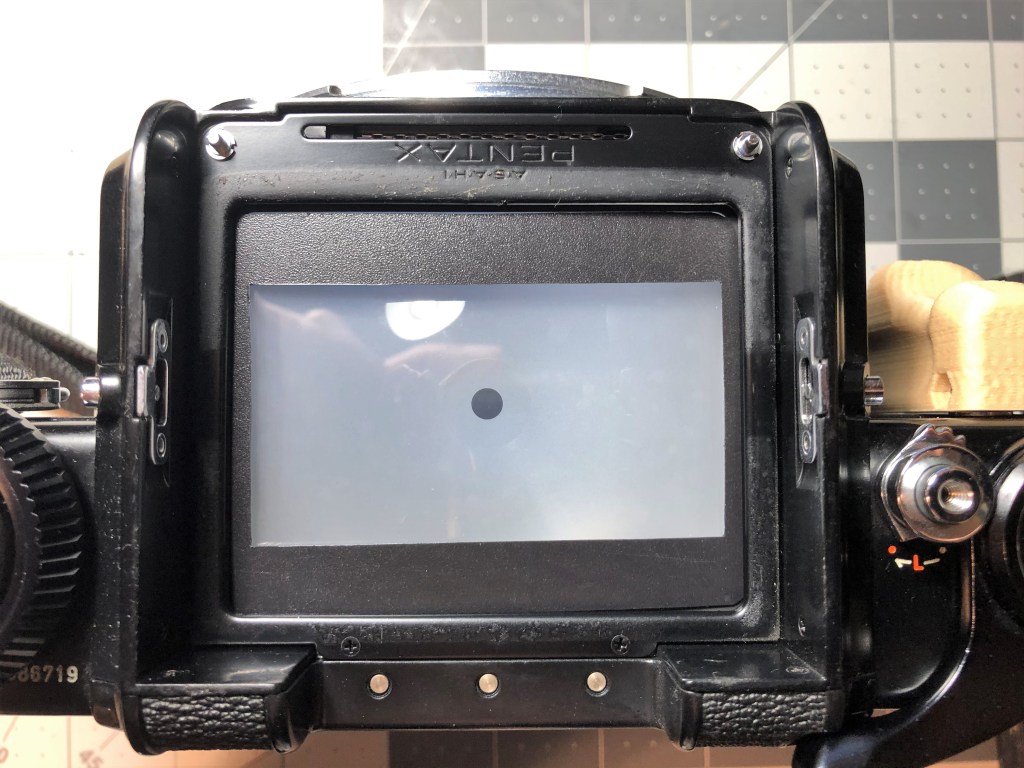
Step 4: Cut out a rectangle in a piece of black paper, the dimension of the rectangle is 35x70mm. (This includes the area of the sprocket holes, if you don’t want to include the sprocket holes, cut out the rectangle 25x70mm). Then put this piece of paper on top of your ground glass. This is a guideline for your composition.
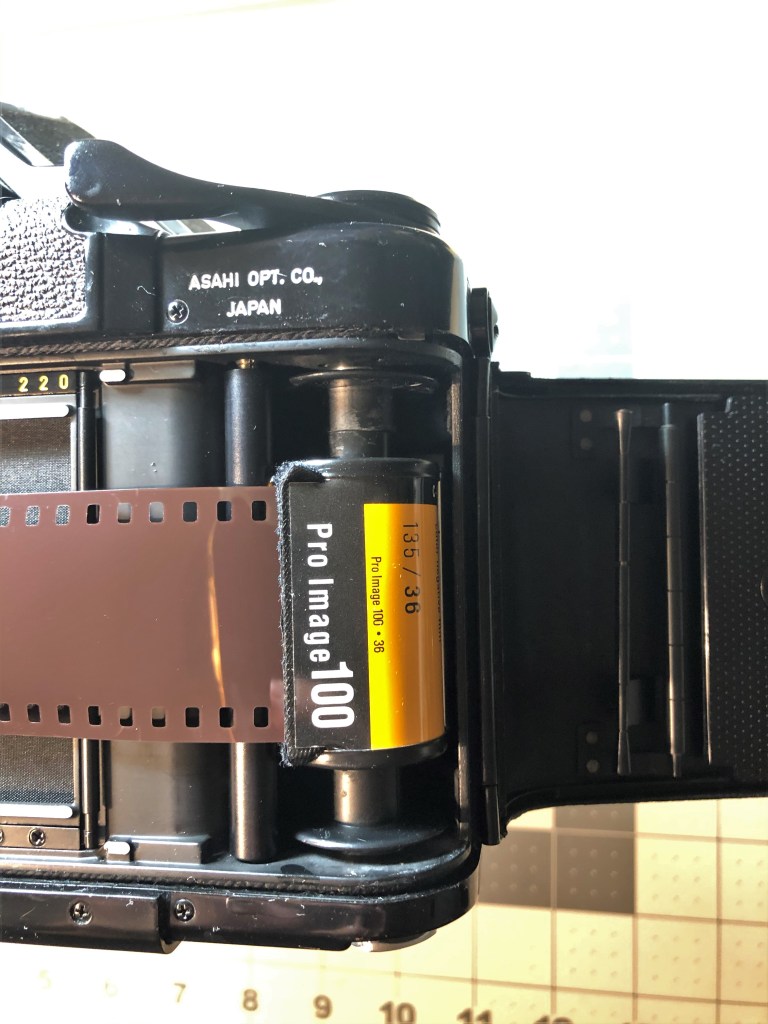
Step 5: Load the film into the camera. Remember to put the old film cassette (which now contains the film inside) on the left side and the pick up cassette (which is the original cassette) on the right side. So now when you take the photos and advance the film, you are actually wind the film back to its original cassette.
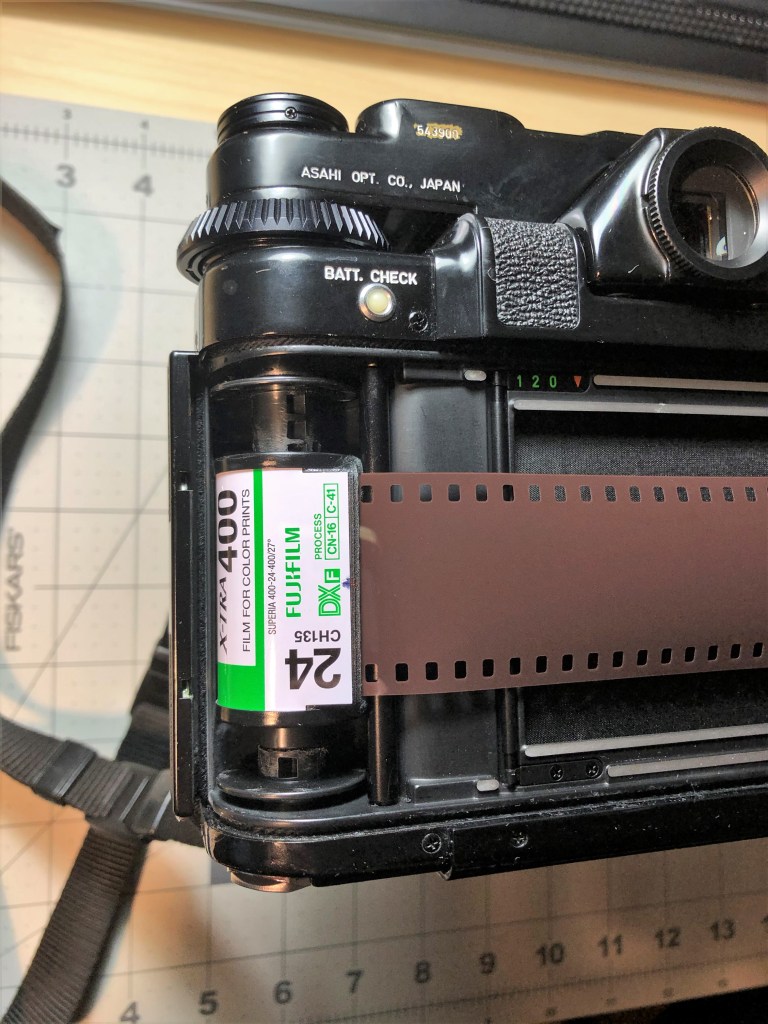
Step 6: Finish the roll and unload the film. After you finish the roll, you can open the back and remove the cassettes out of the camera safely. You will see that the film in winded into the original cassette and the part exposes to the light when you open up the camera is the paper strip you taped in. You can just remove the film lead from the paper strip and reuse the old film cassette and the paper strip again.
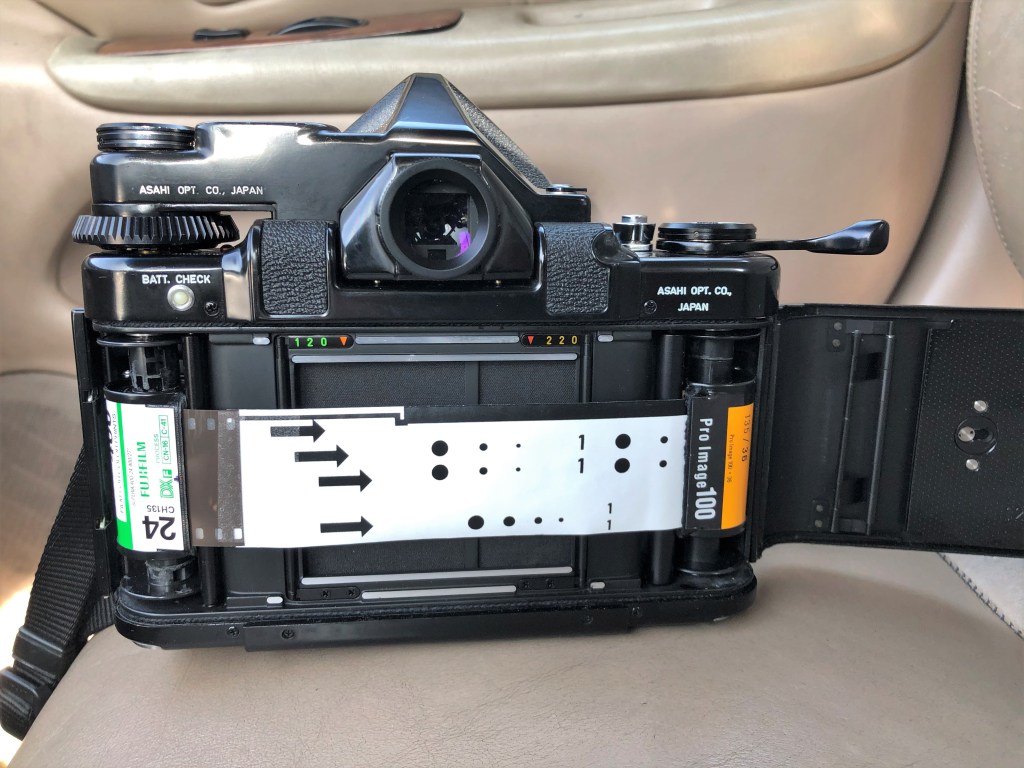
So now you have it, a method to take panoramic shots on your Pentax 6×7 without requiring going to dark room to unload your film. All you need to do is preparing your film upfront as a set of film cassette and pick up cassette, and you can have more freedom shooting in the field. I was able to get 15 shot out of the 36 exposes roll but I was messing with the loading part, I think if you can load the film more careful than me, you can get 18 out of the roll. I will update the exact number of the shots you can get when I finish the second roll.

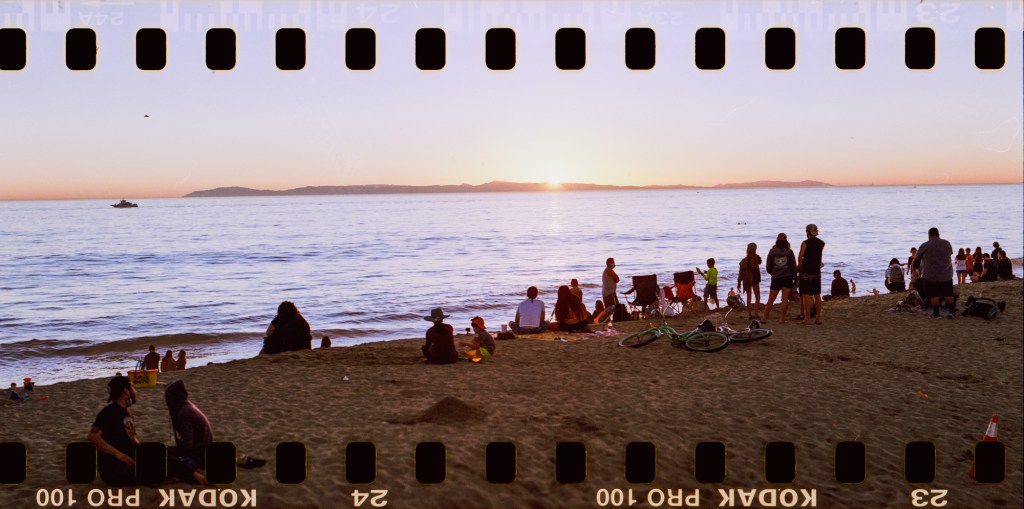
Here’re some photos I made with this first try. Taken with Kodak ProImage 100.
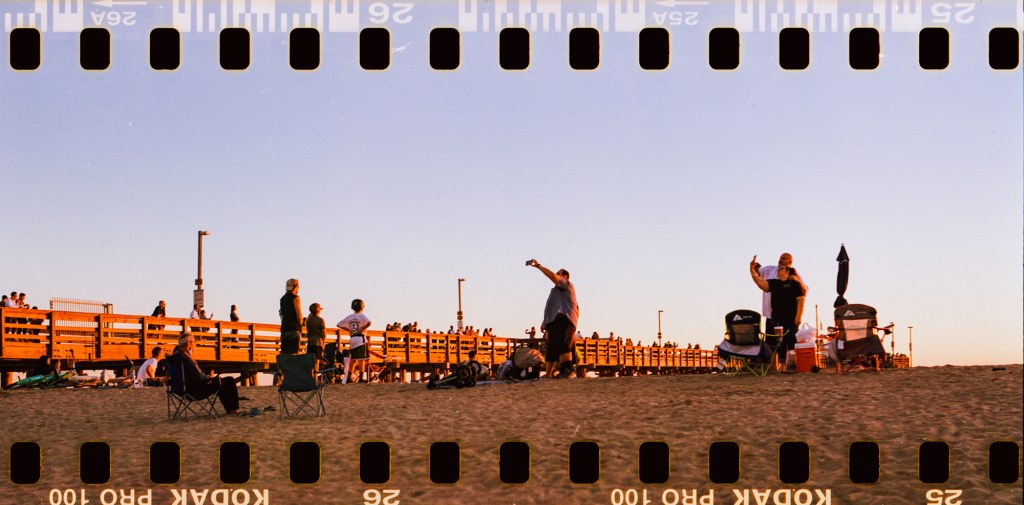
I love the photo of the man on the bike, it’s too bad that it’s underexposed but when I took the shot I knew this would work well on panoramic aspect ratio. You can also see that the ones with no sprocket holes are the ones I couldn’t get the horizon line straight 🙂


My favorites from the roll is this pair of photos, taking of the car in front of the house. I took the photo on the right side first and walked couple steps more to realize that the tail of the car and the scene was quite interesting and could make a good photo, so I took the second one. I think these 2 look very nice together because the continuation of the object, which is the car make the photos stand well next to each other. And I also like the idea of “the beginning is the end” cycle in the left photo, it’s not that literally but the photo starts with the head of the black car and ends with the tail of the silver car, like the end and the beginning come after each other. Or maybe I like series “Dark” a little too much 🙂

I love the last photo also. The frame feels a bit too much and messy but I like the overall feelings and colors of it.

Thank you for making it to the end. Hope you like these experimental photo ideas. Cheers!

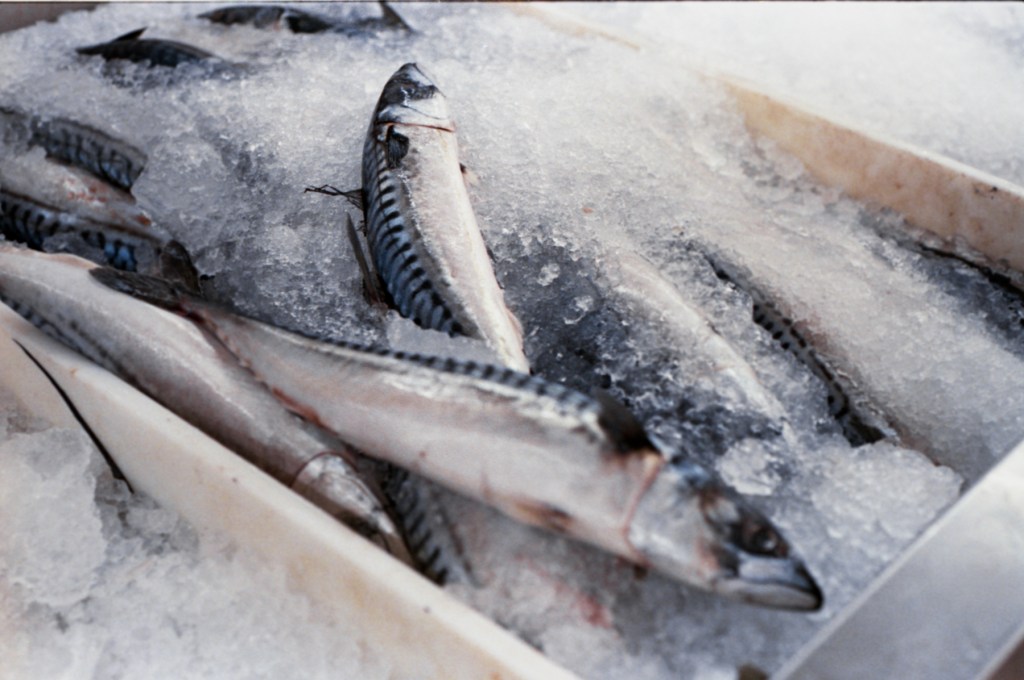
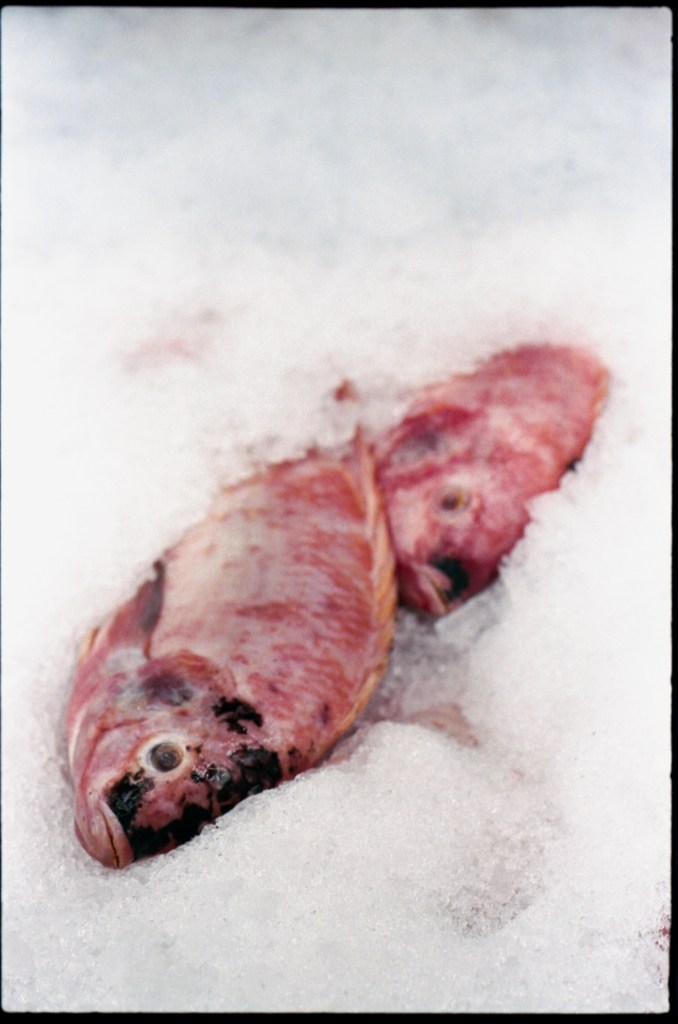
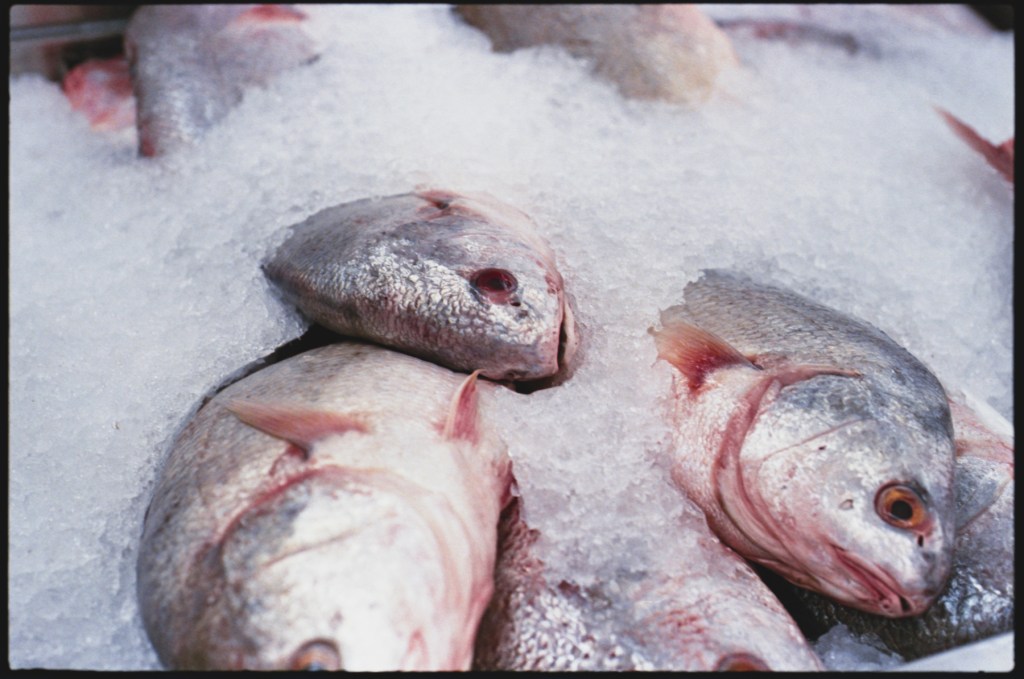
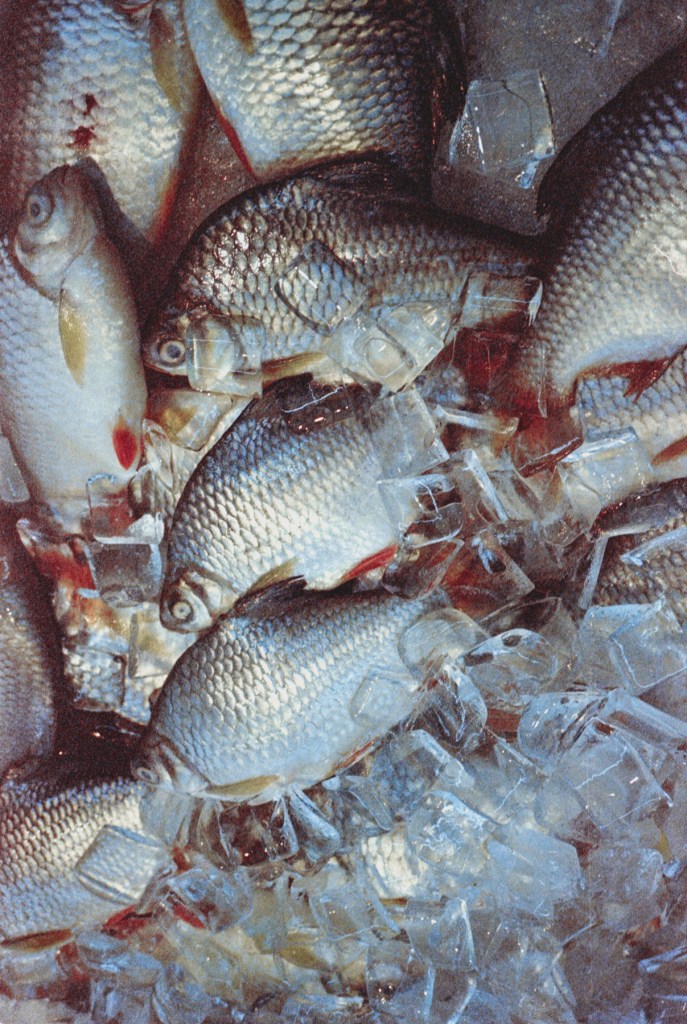
a dead fish series [dedicated to hkhq]

To hkhq, (I know this is chessy so shut up!) I made this series for you as a thank you note. I said this to you so many times and I guess I will say it a lot more in near future because I just can’t help myself stop saying thank you to you. Thank you for supporting me and my photography from the very beginning, thank you for “always” being there for me in the other side of the chat box, thank you for your understanding and companionship. I wouldn’t be in this place today photographically if not because of your supportive talk in the first day. [Or would I?]. Because of you, this is always an on-going project so I will update the series whenever I can still do it. I don’t understand why you love dead fish but here you are, enjoy [your washi tape]!

This is a series I made from a friend’s request. I don’t have a statement for this series regard its meaning or purpose. Some are quite poetic, some are brutal, some are both. I find some photos look quite chaotic, but I like the way the chaos relates to the brutality those fish endured. If you like dead fish I hope you find these interesting.

These were shot on 35mm SLR without flash, the last 4 were shot with Yashica T4. Thank you for taking a look.

[vietnamese] a road trip

[Mình muốn chia sẻ bằng tiếng Việt cho các bạn Việt Nam có thể dễ đọc hiểu, nhưng mình chưa tìm được cách tốt nhất để chia sẻ song ngữ trong cùng 1 post nên các bạn tạm thời có thể đọc các post riêng bằng tiếng Việt với nội dung chính xác như post tiếng Anh trong thời gian mình tìm được cách làm việc đỡ mất công hơn nhé!]

Tháng 6 rồi mình có đi 1 chuyến road trip từ Orange County đến Lake Tahoe, California. Mình ở Lake Tahoe 3 ngày, sau đó ghé qua San Jose 1 ngày rồi về lại OC. Mình coi đây là 1 cơ hội tốt để chụp những khung cảnh mới lạ mà mình ít được thấy ở nam Cali (nam Cali khô cằn và ít cây cối, rừng rậm như bắc Cali). Mình rất thích được bao bọc bởi thiên nhiên, đặc biệt là cây cối và rừng rậm, rừng đối với mình luôn rất đặc biệt, mình có thể lạc giữa rừng nhưng vẫn cảm thấy bình an như được thuộc về. Mình vẫn nhớ cái cảm giác đứng 1 mình giữa rừng núi, xung quanh không 1 bóng dáng hay tiếng nói của con người, chỉ có mặt đất mềm âm ẩm, những bụi cỏ cao thấp xen kẽ, thân cây già gãy đổ xen giữa rừng thân chắc nịch với lớp vỏ nứt toác để lộ những mảng rêu xanh non mơn mởn, cạnh đó là dòng nước trong vắt chảy qua con rạch nhỏ luồn lách giữa rừng, bên trên tiếng chim hót rộn ràng giữa những tán cây lao xao. Nếu bạn là người yêu rừng, hẳn bạn sẽ hiểu cảm giác lâng lâng hạnh phúc khi đó của mình. Bên cạnh đó, được chụp hình trong rừng thì còn gì bằng! Mình chia sẻ bài blog này với niềm hân hoan được chia sẻ về điều mình yêu thích với những bạn chung sở thích, hi vọng các bạn sẽ cảm thấy được truyền cảm hứng đi và khám phá [và chụp hình] sau khi đọc xong.

Về mặt chuẩn bị máy chụp hình và phụ kiện, mình lên kế hoạch sẽ chụp long exposure thác nước để có hình thác nước chảy nhìn mướt như dải lụa (nghe có vẻ hơi cliché nhưng mình chưa bao giờ chụp thể loại này nên cũng đáng thử qua). Để chụp long exposure giữa ban ngày, mình cần ND filter để chặn bớt ánh sáng vào lens. Mình mua 10 atop ND filter cho lens Bronica 75mm của mình, mình đã cân nhắc mua các filter ít stop hơn nhưng vì ngân sách chỉ có thể mua 1 filter nên mình quyết định mua 10 stop vì mình luôn có thể kéo dài thời gian shutter speed ra hơn là chụp không đủ lâu để nước chảy thành 1 dải dài liền mạch. Mình cũng mua 1 polarizer filter để chụp mặt nước hồ trong suốt (polarizer filter rất hữu dụng khi bạn muốn chụp các bề mặt phản chiếu như nước hay kính cửa sổ, ánh sáng sẽ đi xuyên qua bề mặt nước hay kính hơn là phản chiếu ngược lại lens của bạn tạo ra ảnh phản chiếu không mong muốn). Mình cũng mua stepdown ring để dùng ND filter và polarizer cho máy số Nikon của mình (mình mang máy số theo để chụp thử những shot long exposure). Mình đã có sẵn cable release cho máy film (vì mình cũng từng chụp ban đêm với máy Nikon F2). Ngoài ra thì tripod là KHÔNG thể thiếu cho long exposure. Về film thì mình dùng Fuji Pro 400H, Portra 400 và 1 pack Fuji 160 NPS expired (hình ra mình không thích lắm vì màu shifted hơi nhiều) cho Bronica ETRSi và Fuji Pro 400H, Portra 160, Kodak ProImage cho máy 35mm.

Đây là 2 shots đầu tiên khi mình dừng lại ngắm hoàng hôn lúc gần tới nhà Airbnb mình thuê. Hình ảnh đồi núi trùng điệp phủ dày đặc những hàng thông già mình vẫn thấy trên hình ảnh và movies nay mình đã được nhìn bằng mắt thật, cảm giác như trong mơ vì mình chưa bao giờ nghĩ có cảnh đẹp và siêu thực như thế này trên đời. Tuy 2 bức ảnh dưới không thể hiện được sự hùng vĩ và mênh mông như mình cảm nhận được nhưng cũng đáng chia sẻ.

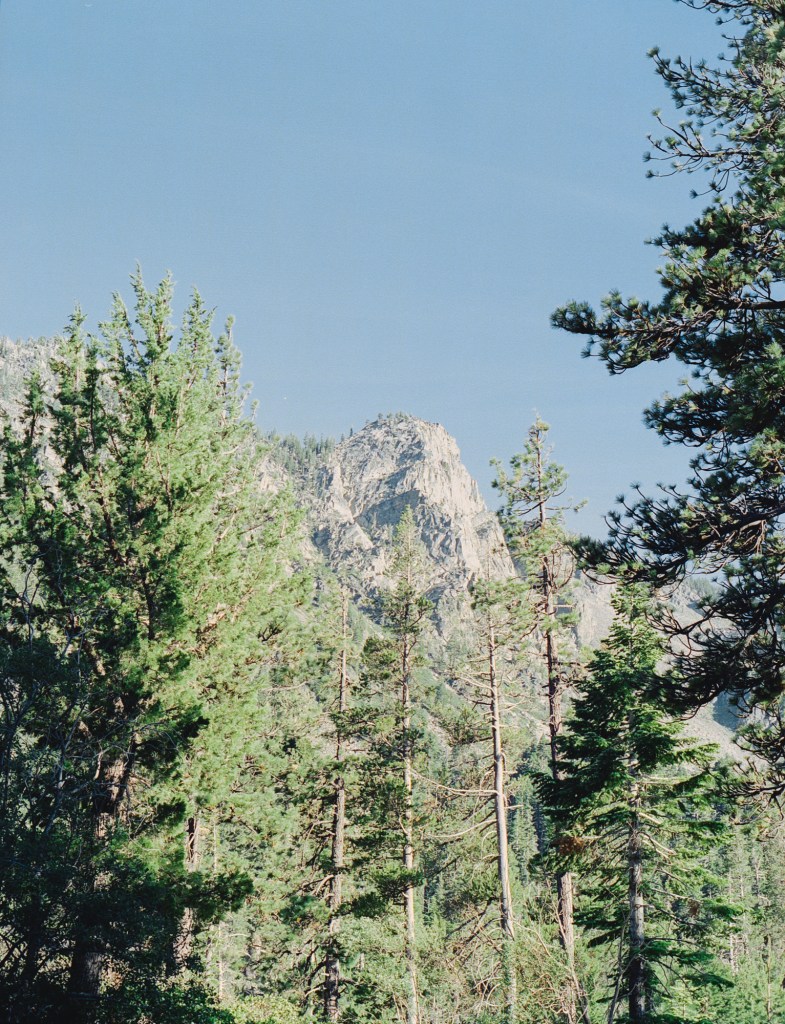
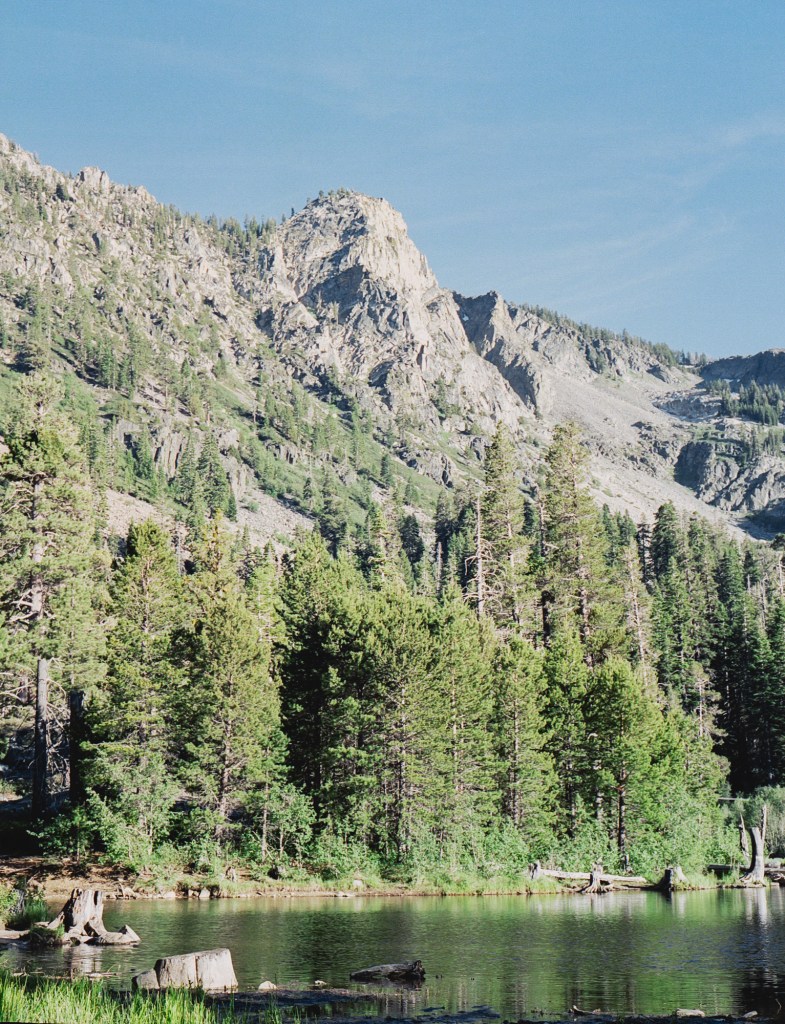
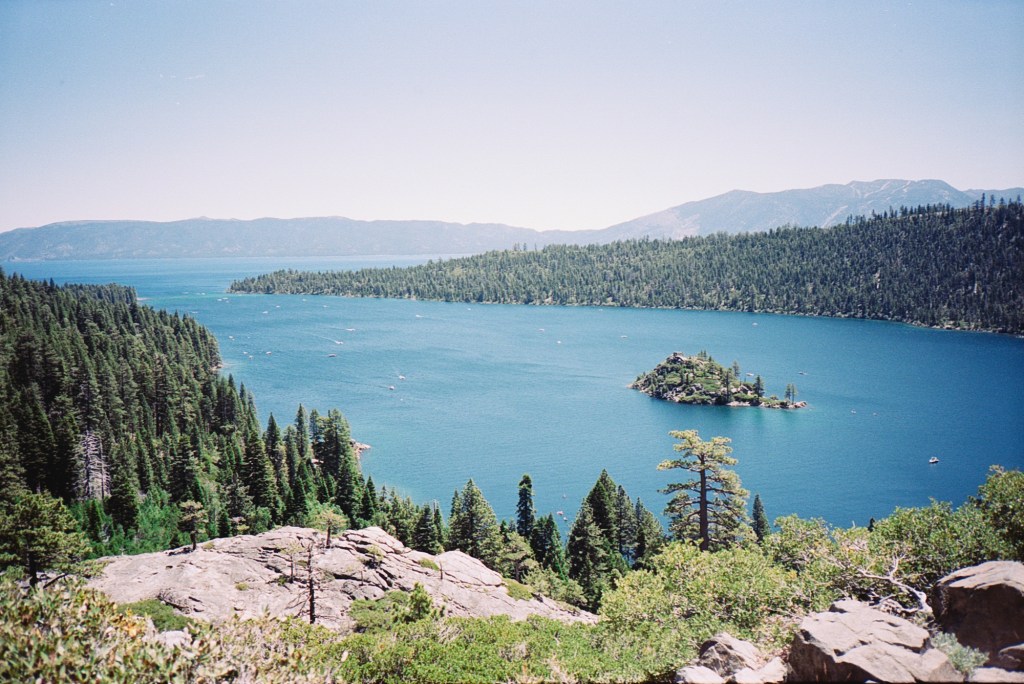
Kế đến là những hình ảnh mình chụp trong ngày thứ 1 và thứ 2 ở Lake Tahoe, khi mình đi hike ở Emerald Bay.

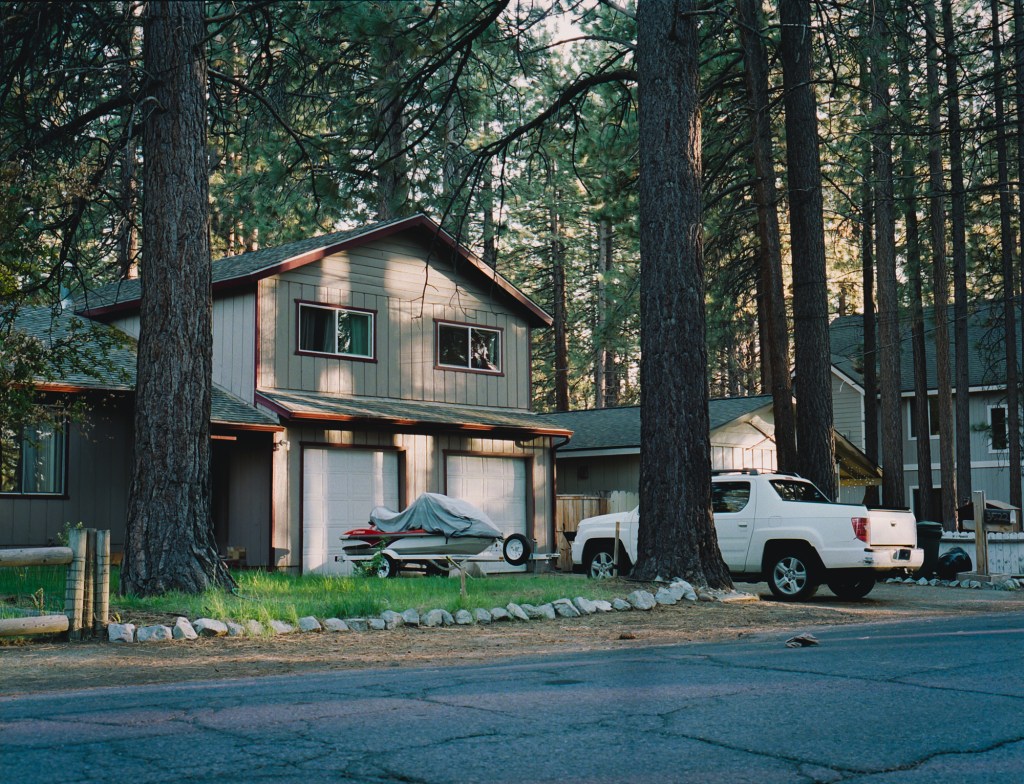
Và tiếp theo là vài cảnh mình chụp lúc chiều tà trong khu Airbnb mình ở. Mình dự định mang máy và tripod ra bờ hồ chụp cảnh hoàng hôn nhưng khi đi ngang những cảnh nắng rọi từng mảng lên tường và cửa sổ mình không thể không dừng lại được. Những hình này mình chụp trên tripod ở tốc 1/30-2s.

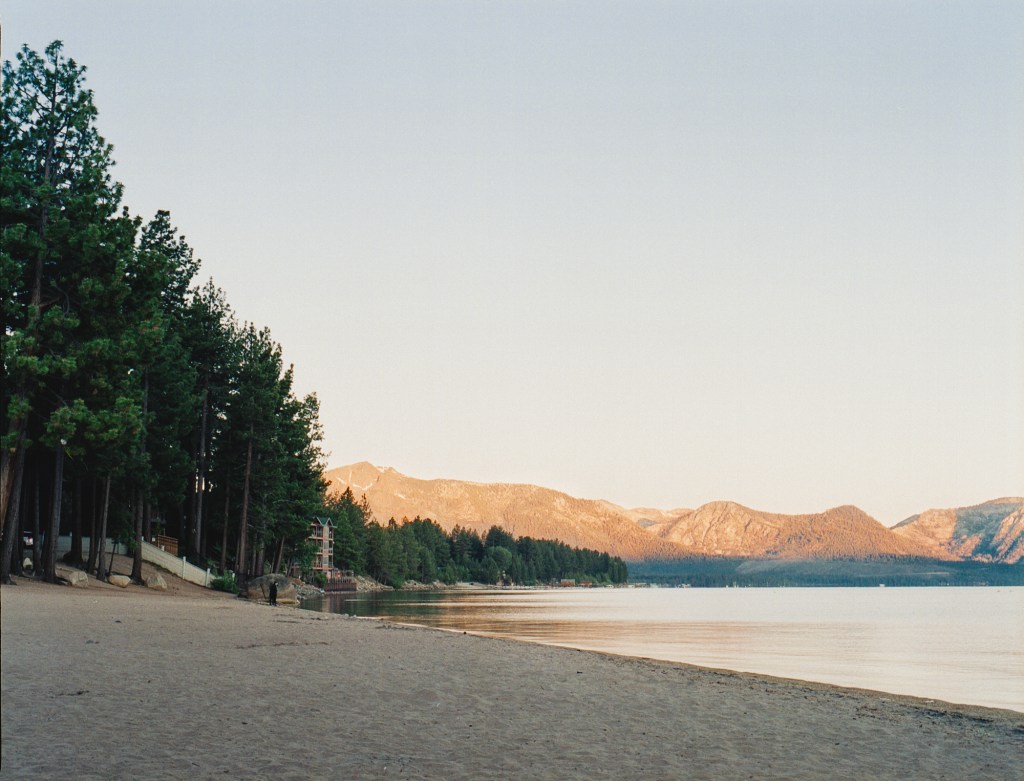
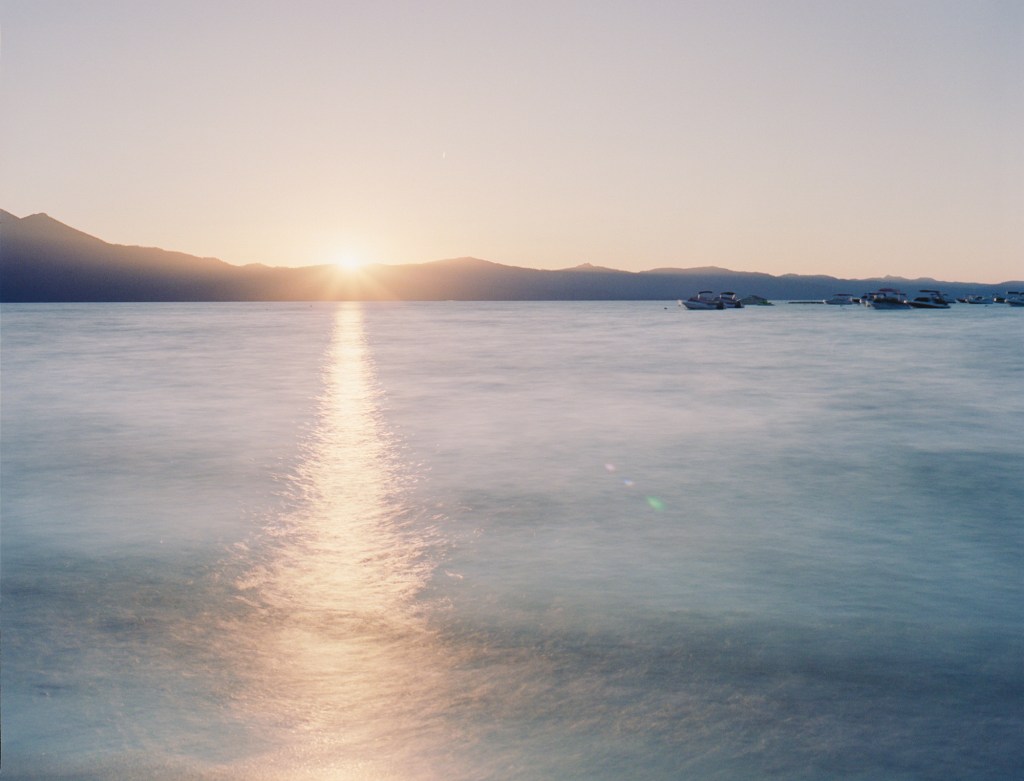
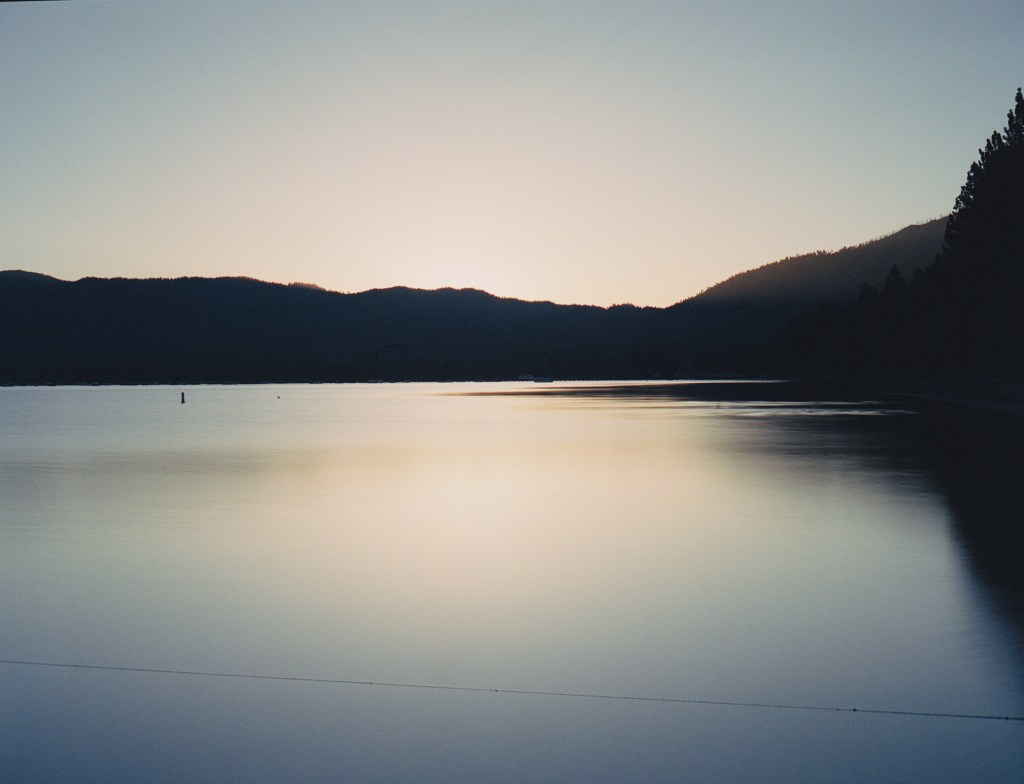
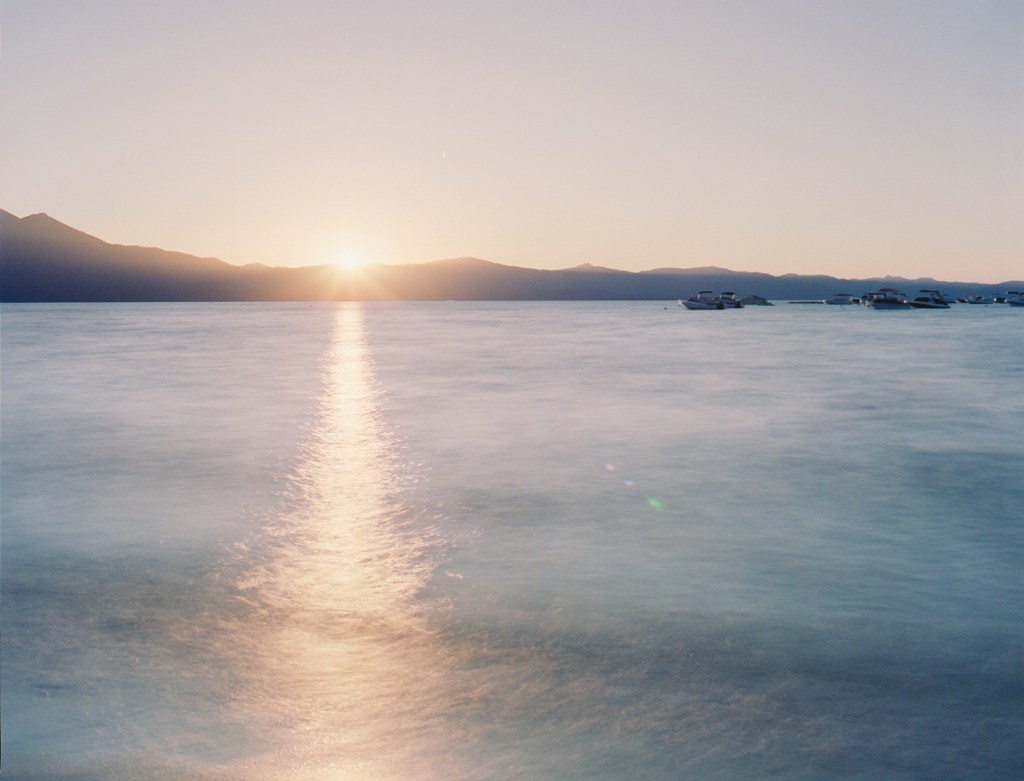
Dĩ nhiên tiếp theo sẽ là cảnh hoàng hôn trên mặt hồ. Mình thử long exposure ở những tốc độ khác nhau nhưng ở bức ảnh dưới, 8s, là mình thích nhất, bởi vì mặt nước ở đây tuy đã phẳng hơn không thấy chuyển động cụ thể của sóng nhưng vẫn còn chút lăn tăn trên bề mặt.

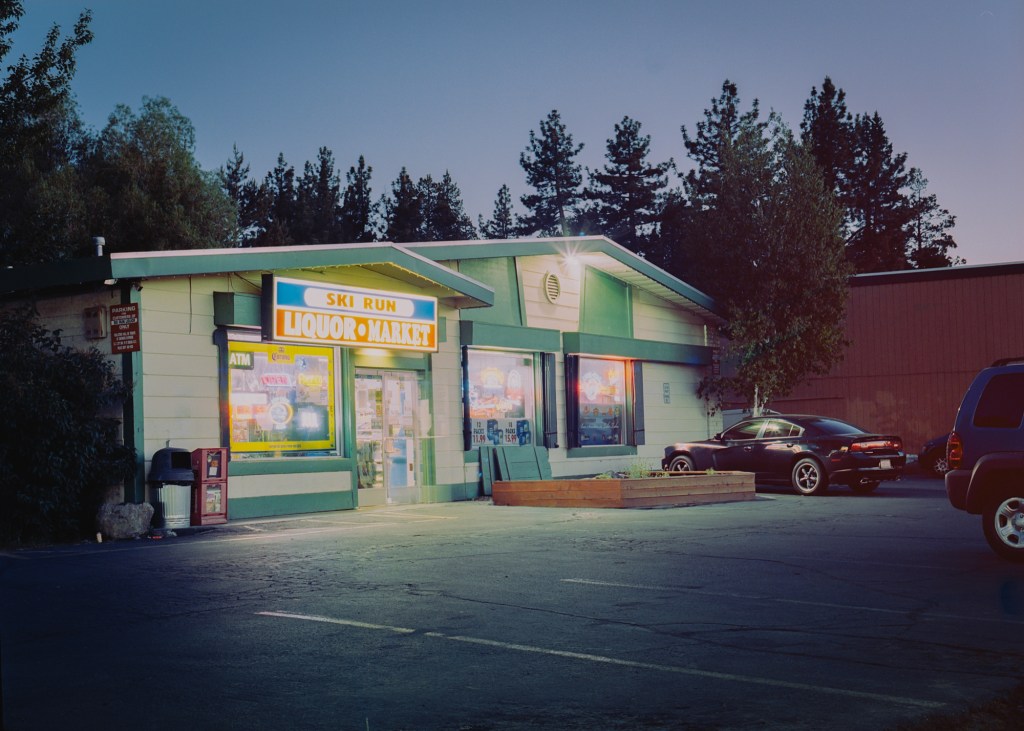
3 tấm ảnh bên dưới mình chụp sau khi mặt trời lặn. Cả 3 tấm mình đều rất thích. Mình đặc biệt thích những cảnh suburban (ngoại ô, hay những town nhỏ và xa trung tâm nhưng không phải miền quê) vì không khí hoài cổ và có chút u buồn của nó.

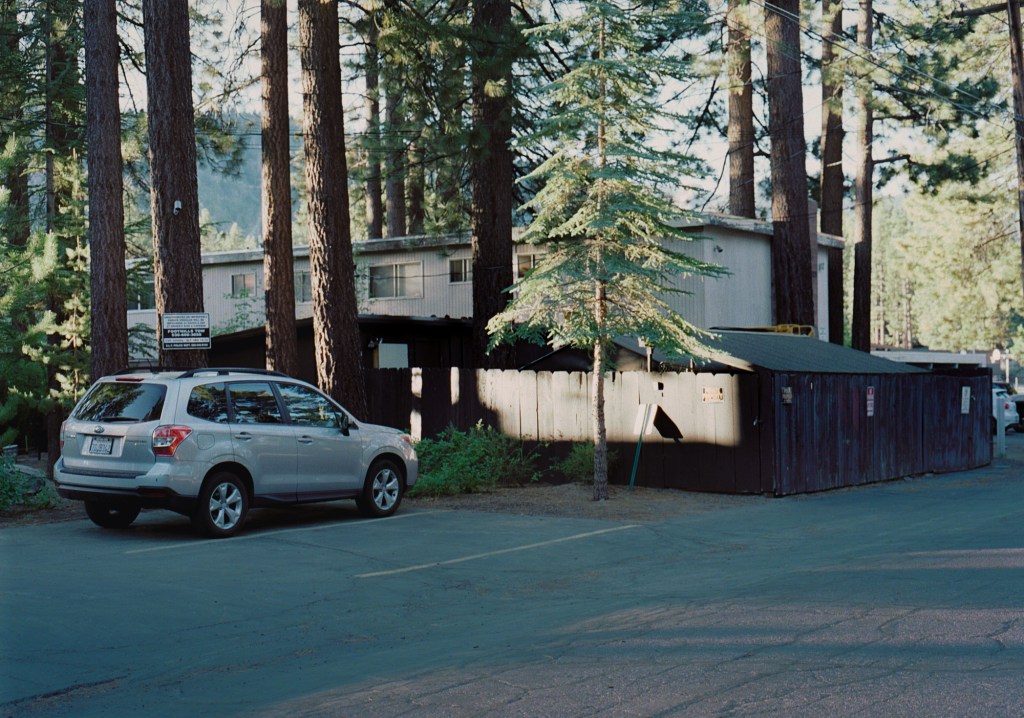
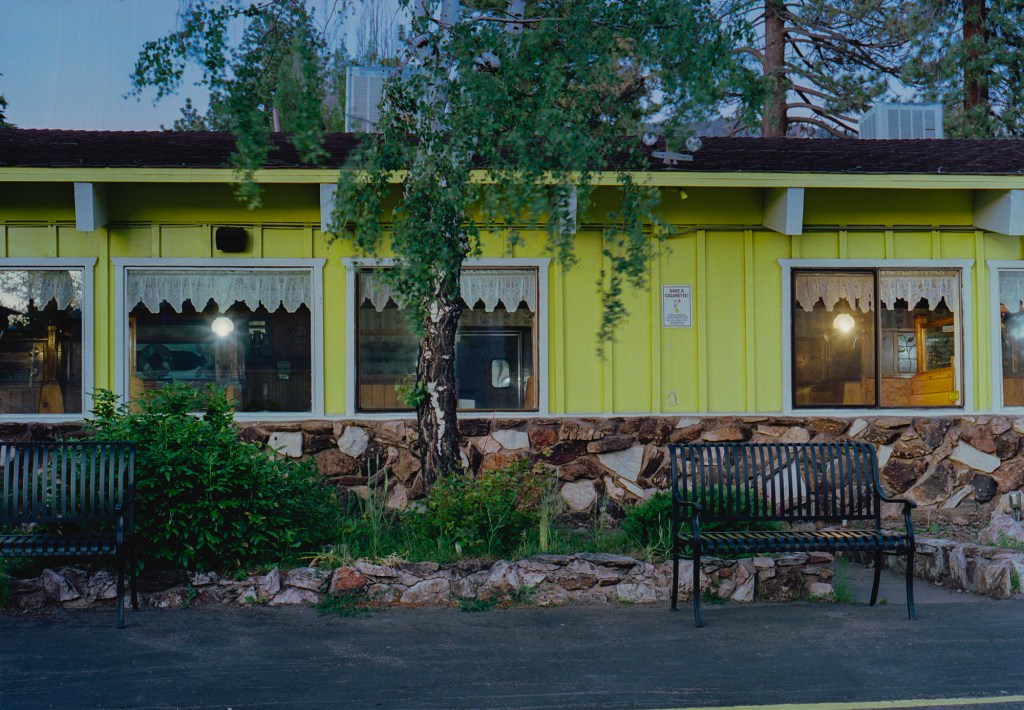
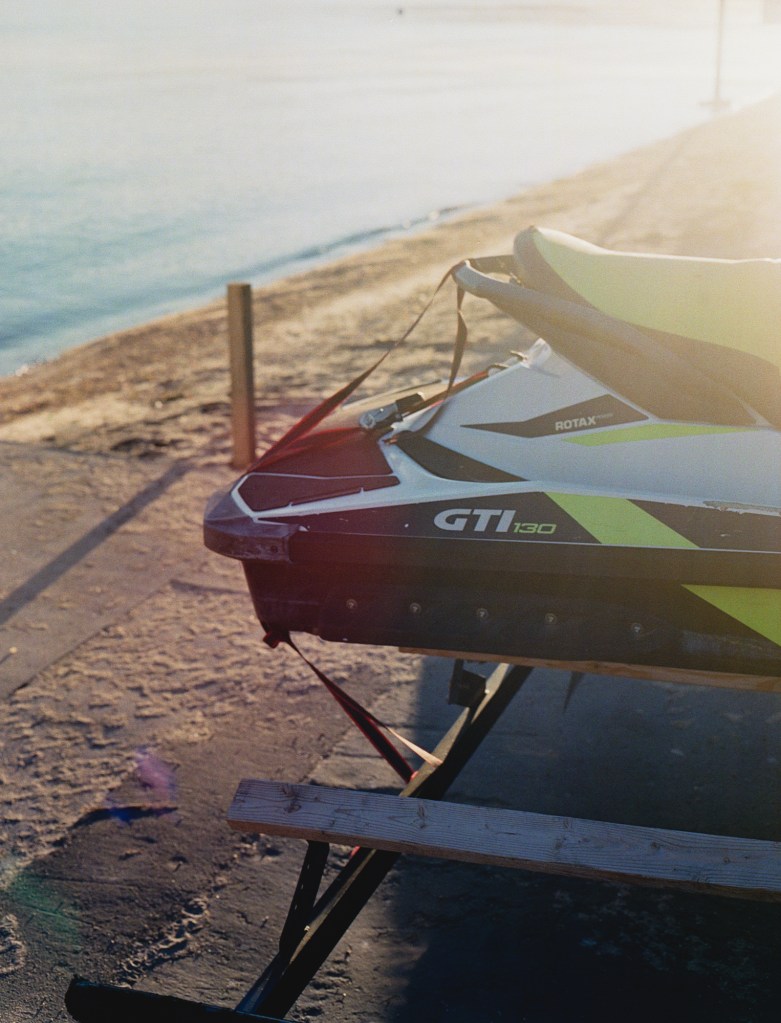
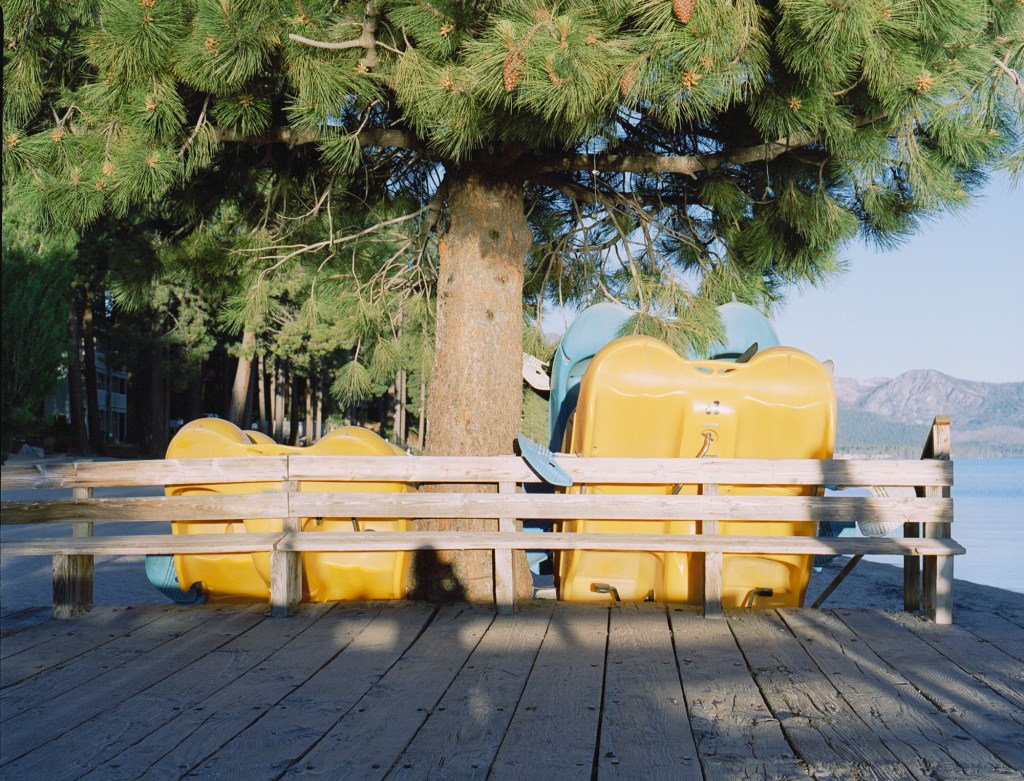
Mình cũng chụp vài cảnh trong khu Airbnb vào buổi sáng, dưới đây là 2 hình mình ưng nhất. Tấm thứ 3 với mình bố cục không được đẹp, mình muốn dùng hàng rào gỗ làm foreground cho hình nhưng mình để máy hơi cao nên hàng rào bị sát mép dưới của hình quá làm không cân xứng, nếu có thể mình sẽ hơi khuỵu gối 1 chút để hàng rào sẽ dâng cao hơn và khoảng cách gần hơn với chủ thể là chiếc van nhỏ màu bạc.

Ngày hôm sau, mình thức dậy lúc 4:30 sáng để chụp ảnh mặt trời mọc trên mặt hồ. Sau khi rửa và scan hình, mình cảm thấy long exposure mặt nước không phải là điều mình yêu thích, vì mặt nước phẳng như trang giấy cảm thấy không thực với mình, nó thiếu sự chuyển động và tràn đầy năng lượng mà mình yêu thích ở nước.

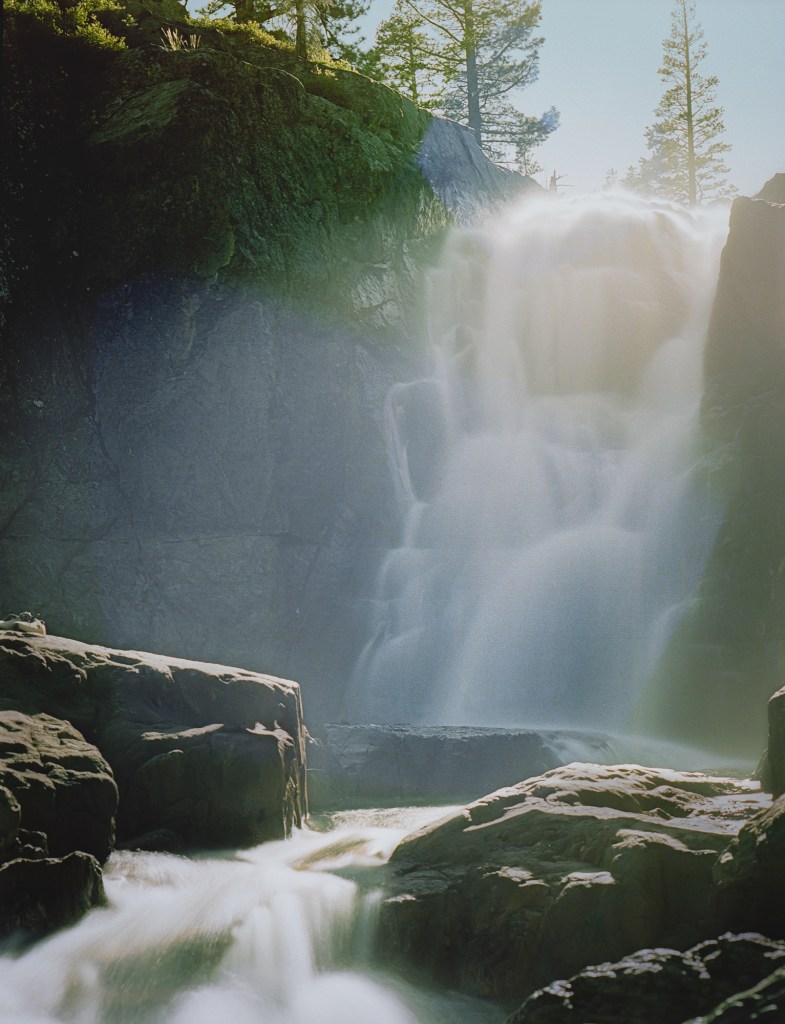
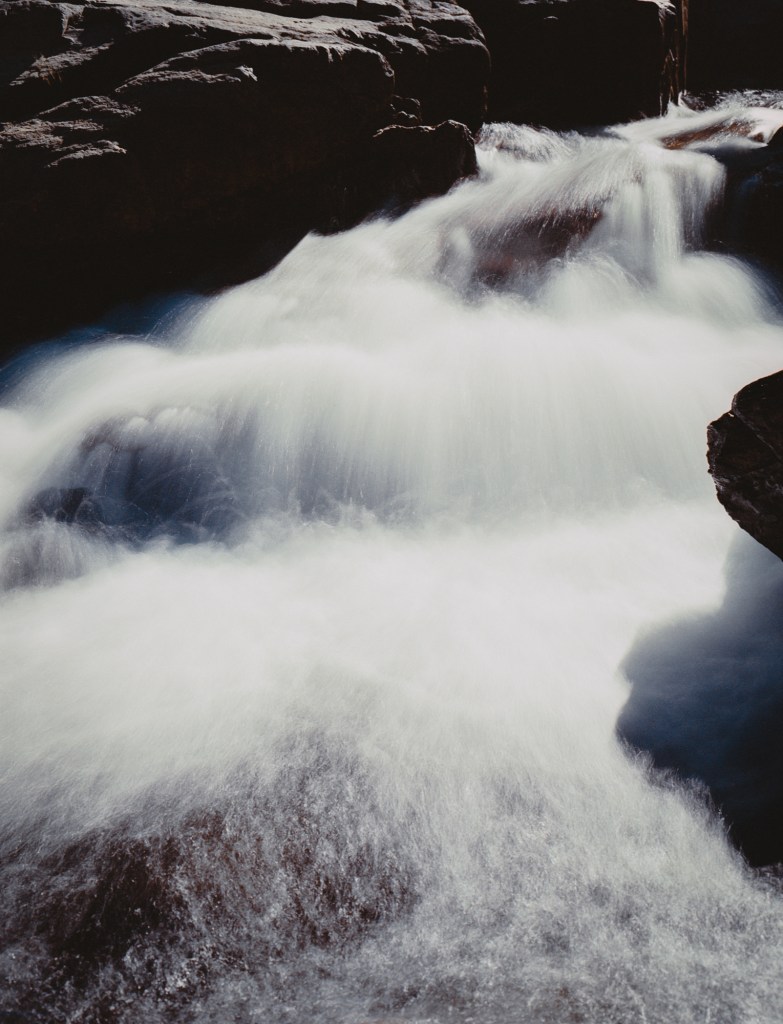
Và đây là điều mình mong mỏi nhất trong suốt chuyến đi, chụp ảnh thác nước như dải lụa. Khi mình leo đến thác, mặt trời đang ở phía sau thác và chiếu thẳng vào ống kính của mình ánh nắng chiều chói chang đặc quánh. Với lần đầu chụp long exposure trong tình trạng backlit (ngược sáng) và phải liên tục tháo và gắn 10 stop ND filter lên lens để ngắm và chụp, thú thật mình không chắc lắm về bố cục và cả setting máy. Mình đã không hi vọng nhiều vào kết quả nhưng khi scan và edit hình xong, mình cảm thấy khá hài lòng.

Cuối cùng là những hình mình chụp trong những lúc leo núi và những hình chụp bằng máy Nikon F2 và Yashica T4.

Cảm ơn các bạn đã theo dõi đến đây. Hi vọng các bạn thấy những chia sẻ của mình bổ ích. Nếu các bạn có thắc mắc hay muốn góp ý về hình ảnh cũng như nội dung của mình xin đừng ngại comment nhé, mình luôn thích film talks! Cheers!
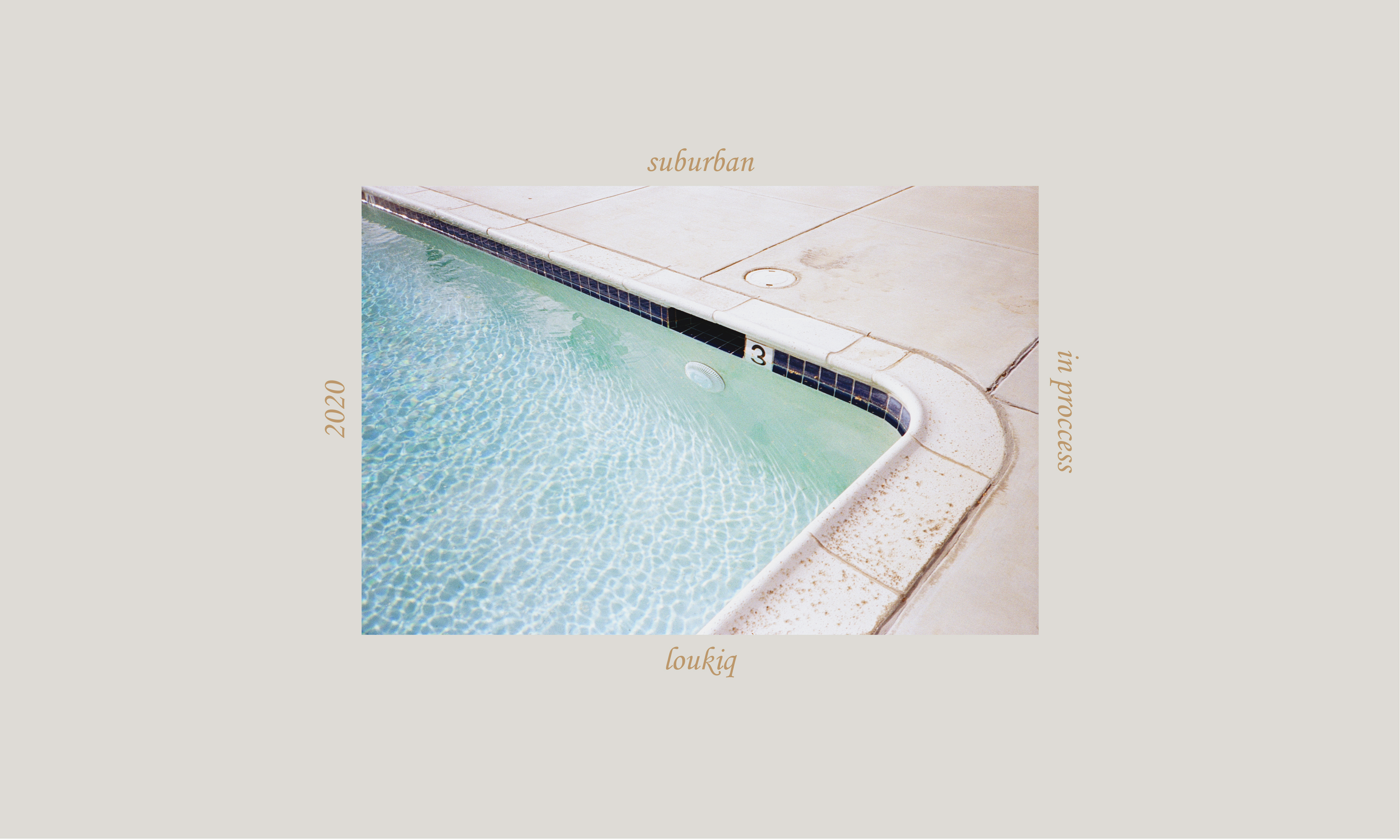
suburban series

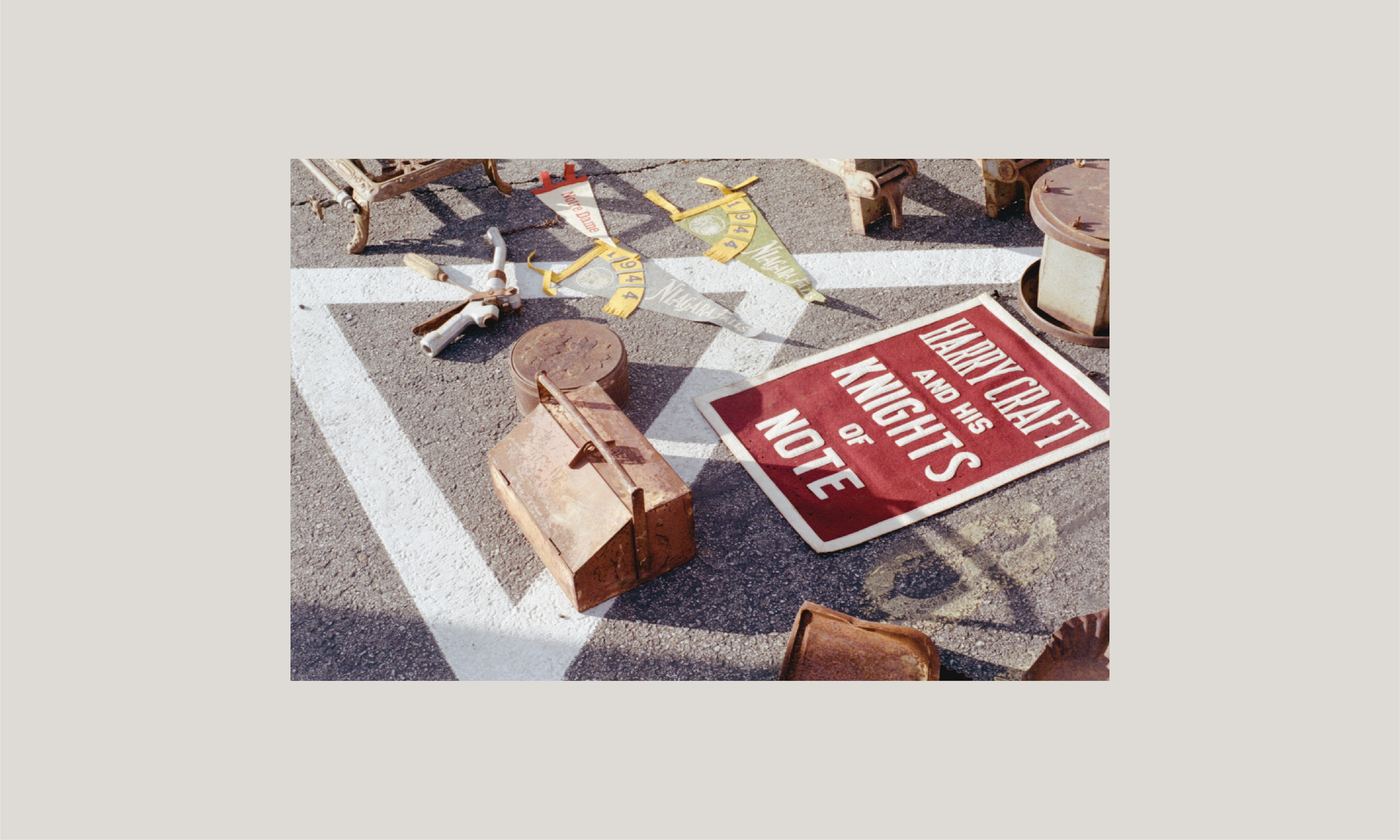
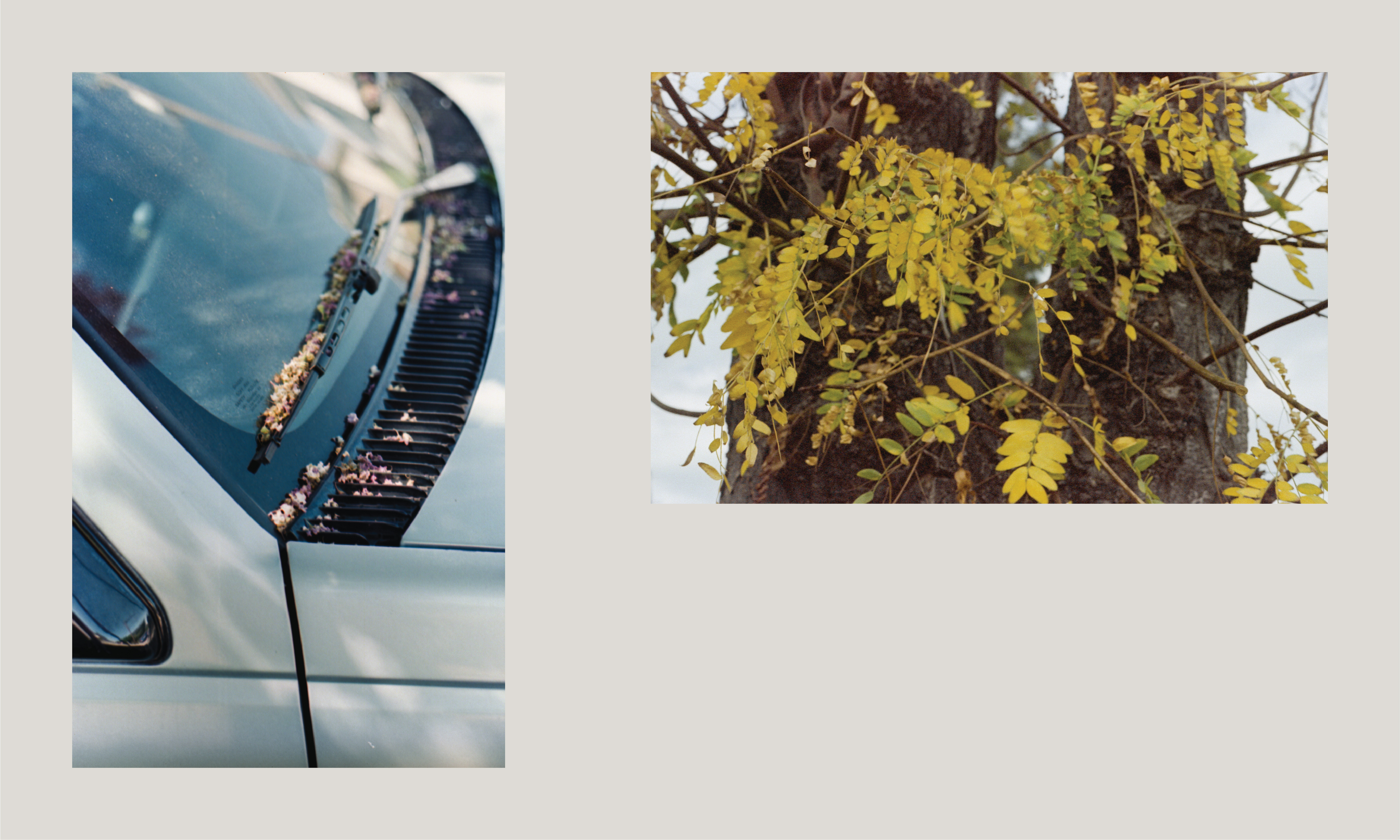
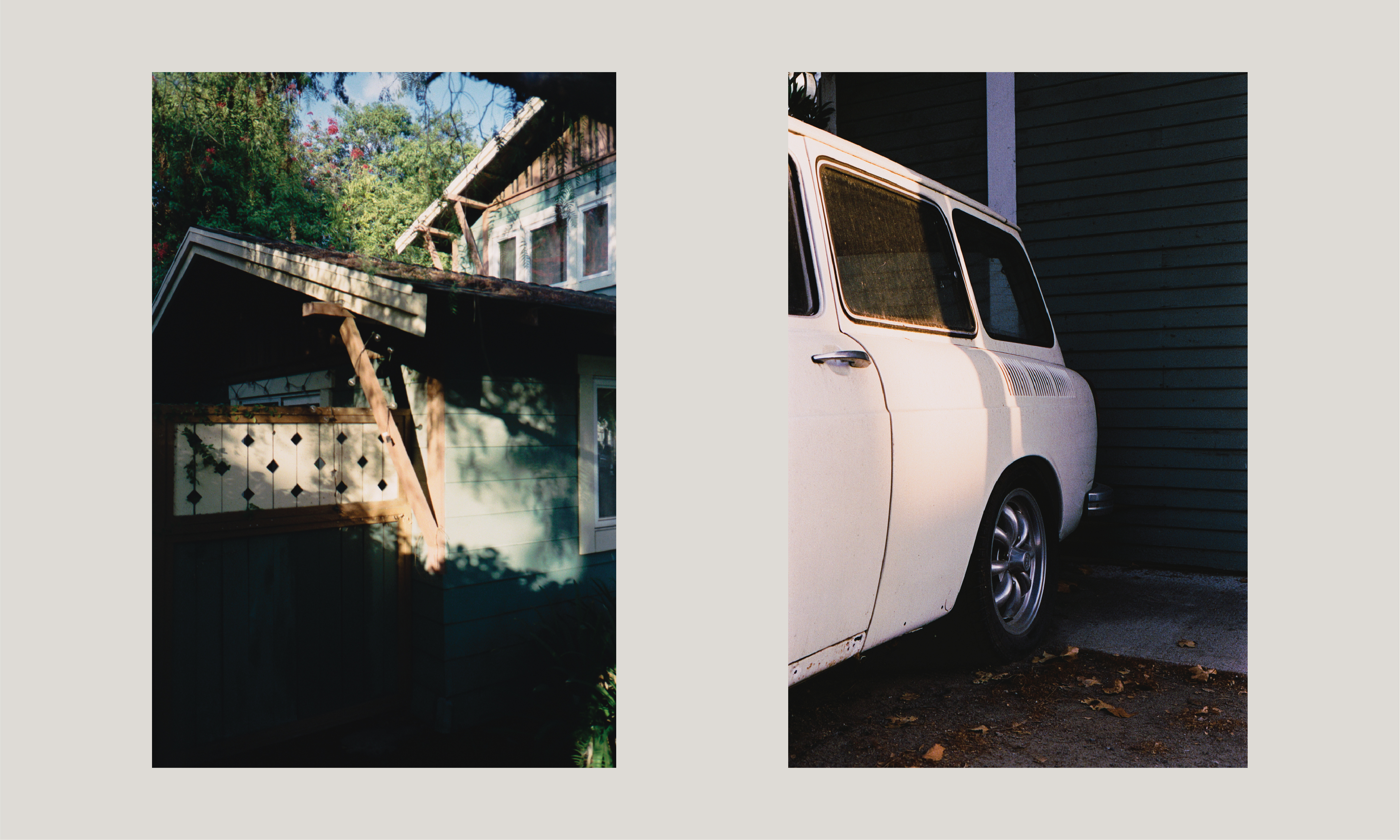
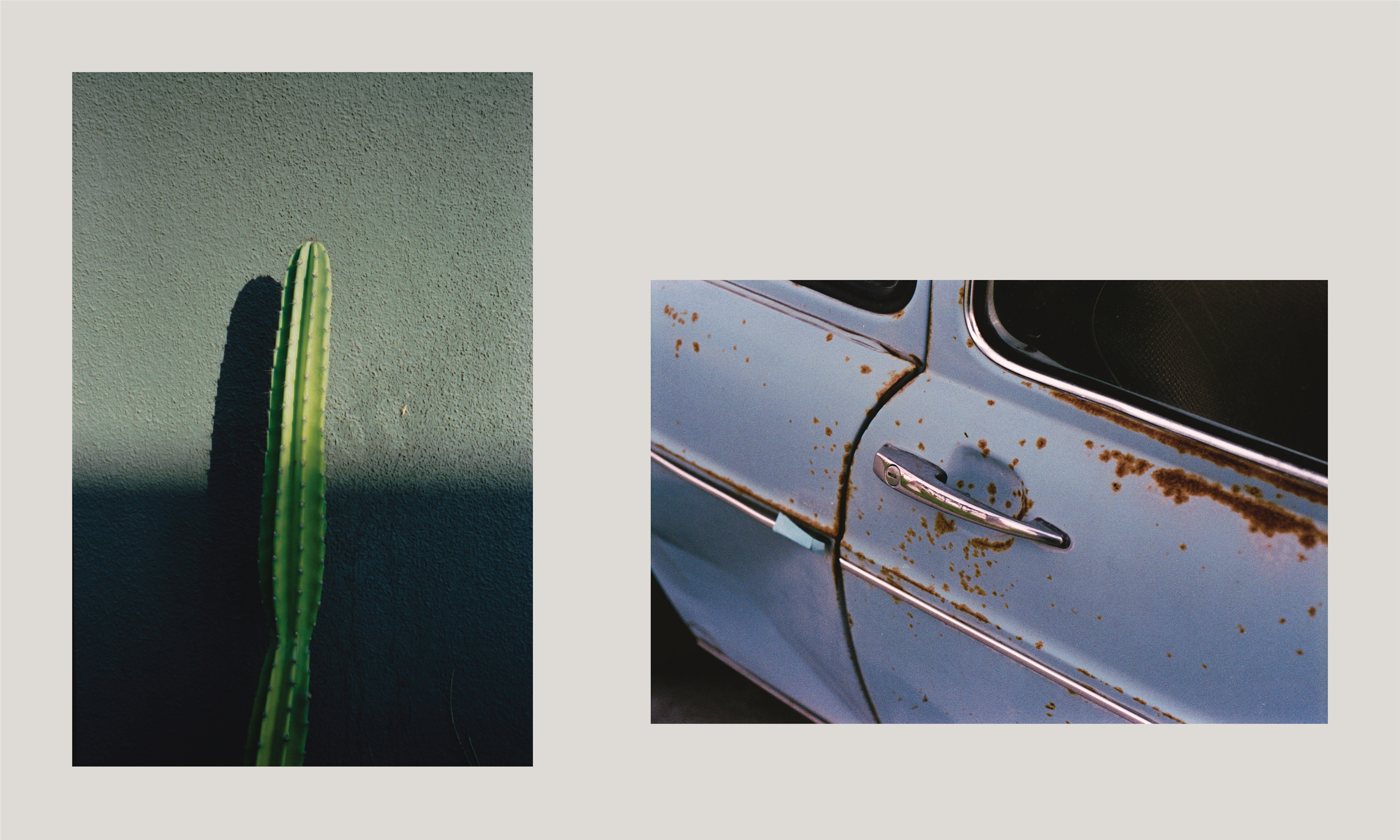
This is a project that I realized that I need to make it as my first ever film project. As the number of photos I’ve taken keep increasing, I find that suburban vibe is the most common theme in my collection. Coming from a rural Vietnamese town, I find suburban is quite close to my heart. I love everything from old houses, rusty gates, broken cars, random stuff in flea market and abandoned things. Old things to me are not just things that stay around for a couple years but rather something that we share memories and stories with. My goal here is to document the beauty in such mundane moments of human’s lives and their poetic belongings.

a road trip

Lake Tahoe on Bronica 645 ETRSi medium format film camera

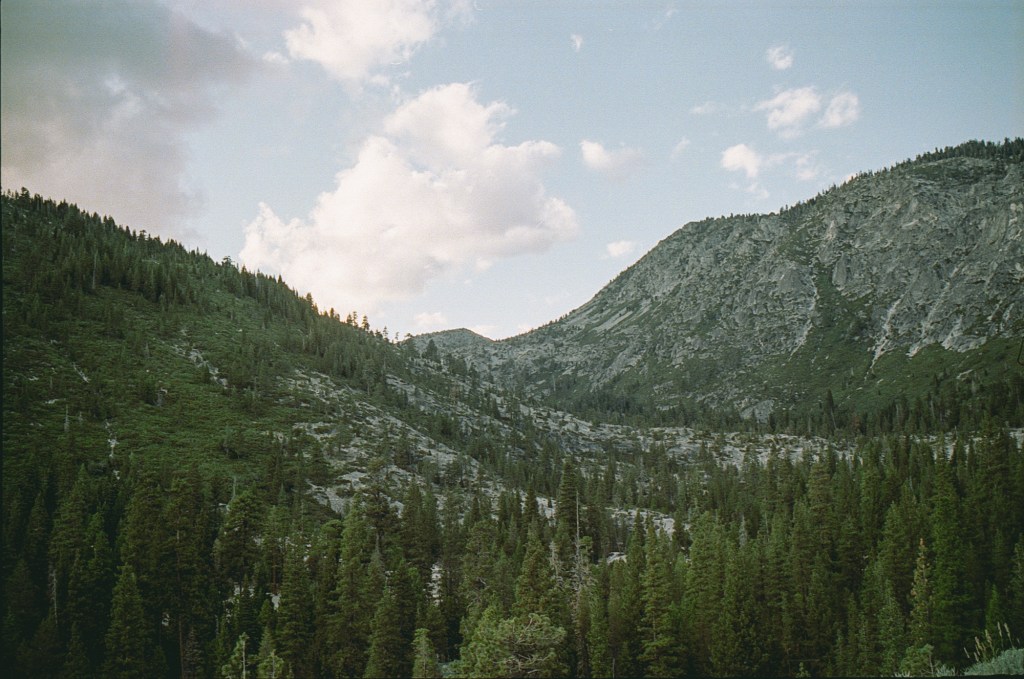
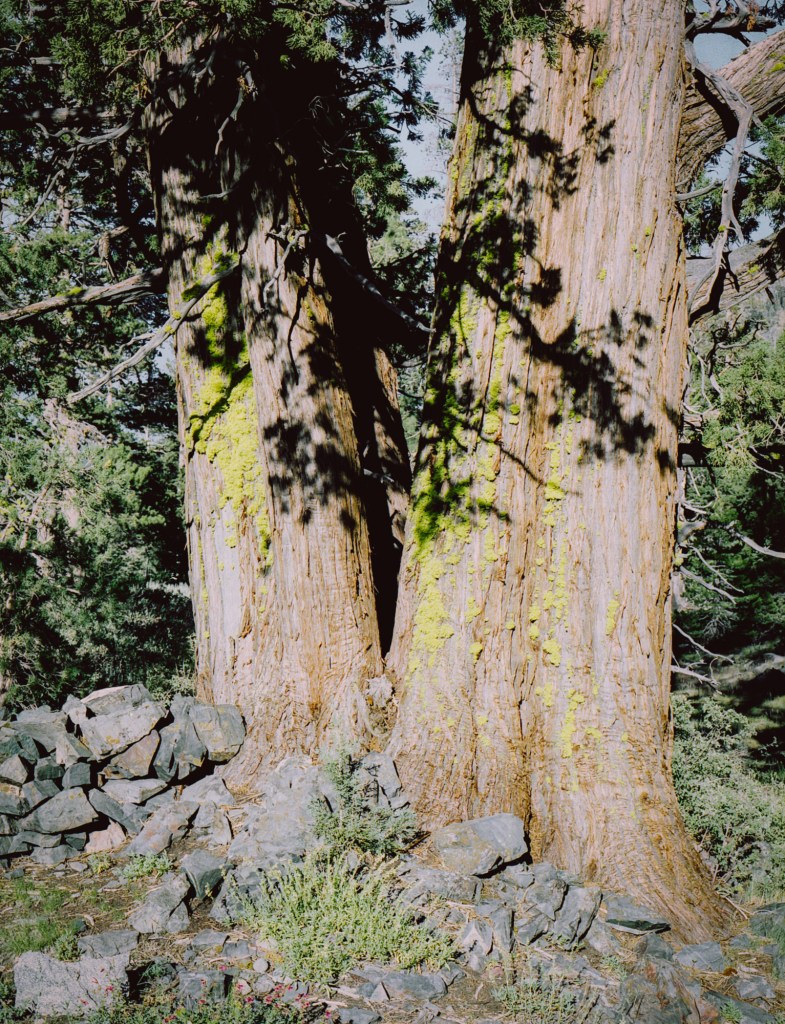
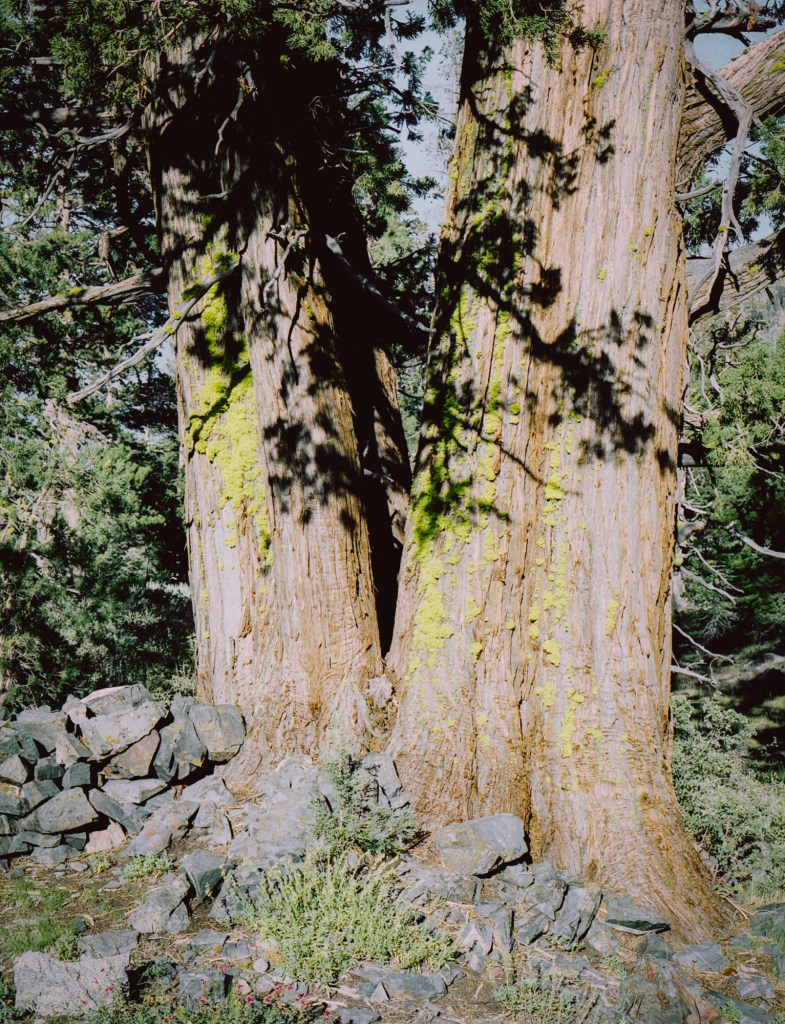
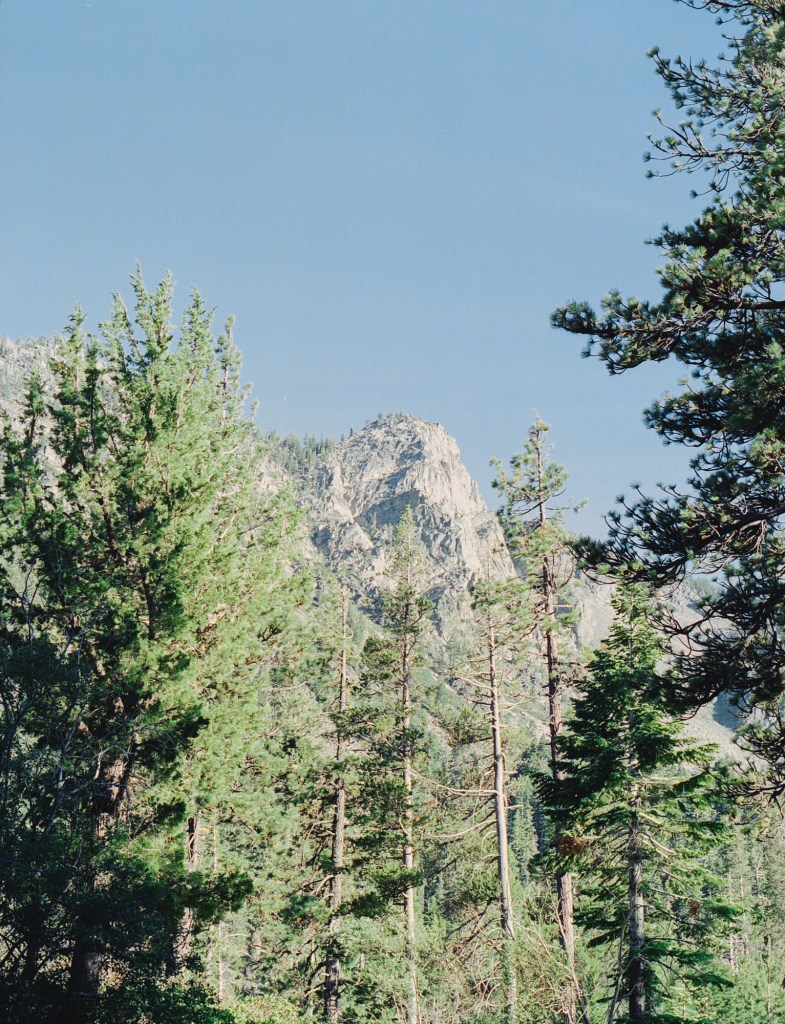
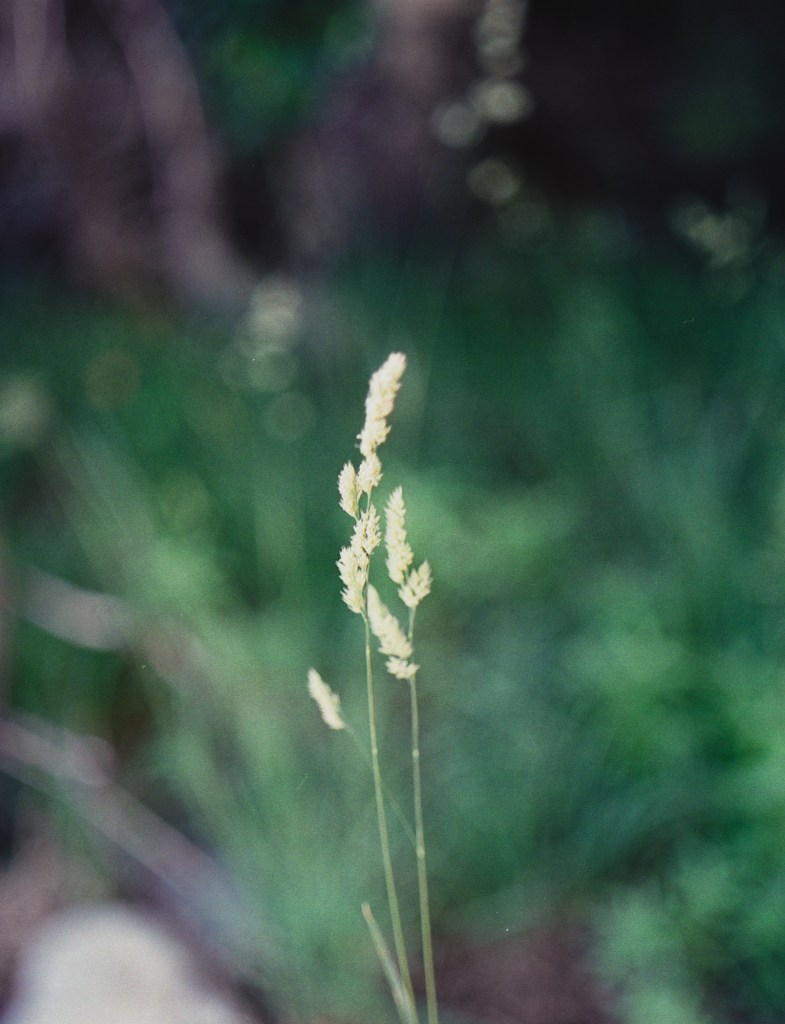
I had a road trip from LA to north California last month, stayed in Lake Tahoe for 3 days and San Jose for 1 day. I took this trip as a photography opportunity more than just a vacation time. I always love nature, especially forest, there’s something in the forest and trees that I feel like I belong to. I still remember the feeling of being alone in middle of the woods with just grass, woods, leaves, water flowing in the creek and birds on the branches, I felt a sweet lonely happiness there. And photograph forest on film was a thing I wanted for so long. If you like forest as me, I hope this post and photos from here will inspire you and warm you.

Back to the technical side, I knew I must prepare the equipment for the trip, because I wanted to make some long exposure of the waterfalls and the lake Tahoe in sunrise or sunset (I know this sound cliche but I haven’t do this before so worth trying). I bought a 10 stop ND filter for my Bronica ETRSi 75mm lens. I thought about other ND filters with less stops than the 10 stop but since I just can buy one, I decided to buy the 10 stop because it’s better to have longer exposure than don’t have enough time to make the water look silky. I also bought a polarizer filter for taking photos of the water, of course. I already have a cable release. I brought a bunch of batteries for my Bronica, Nikon F2, and my digital camera (I used digital camera for long exposure test shot). And a steady tripod is crucial! I also want to have a wide angle lens on my Bronica but when I decided to buy it, there’s nowhere can ship it to me before the trip, so I tried to make the best out of the 75mm lens. For film, I used Fuji 400H, Portra 400 and Fuji 160 NPS expired (which is not so good) for 120, and Fuji 400H and Kodak ProImage for 35mm.
sunset behind the mountain. Nikon F2
massive cloud lit by setting sun. Nikon F2

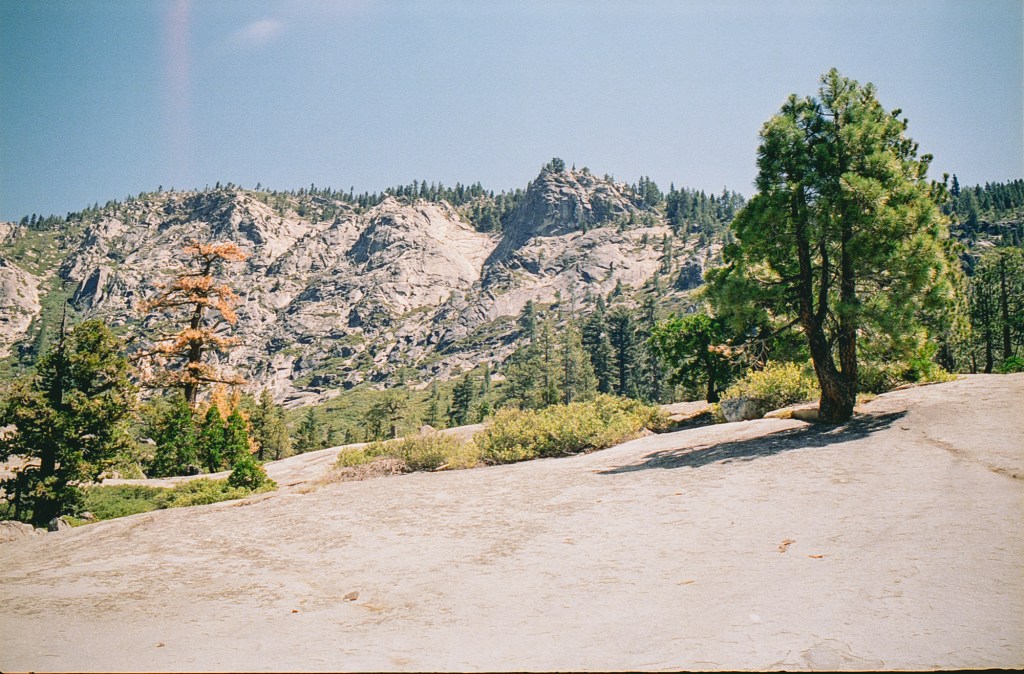
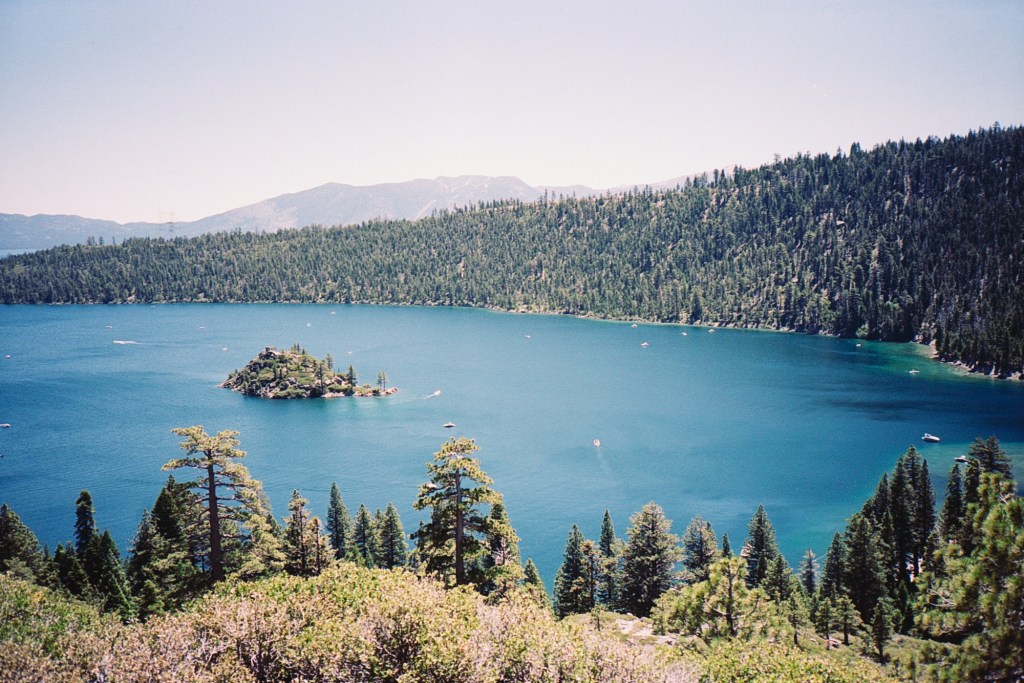
Here’re some photos on the first hike day.

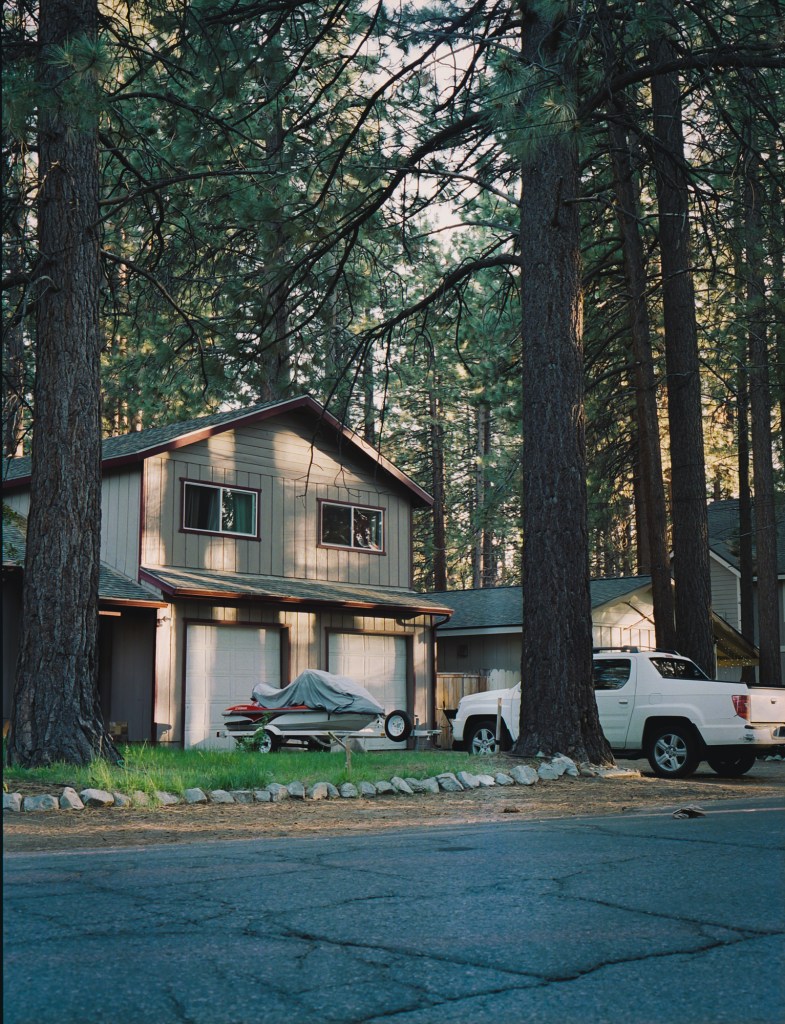
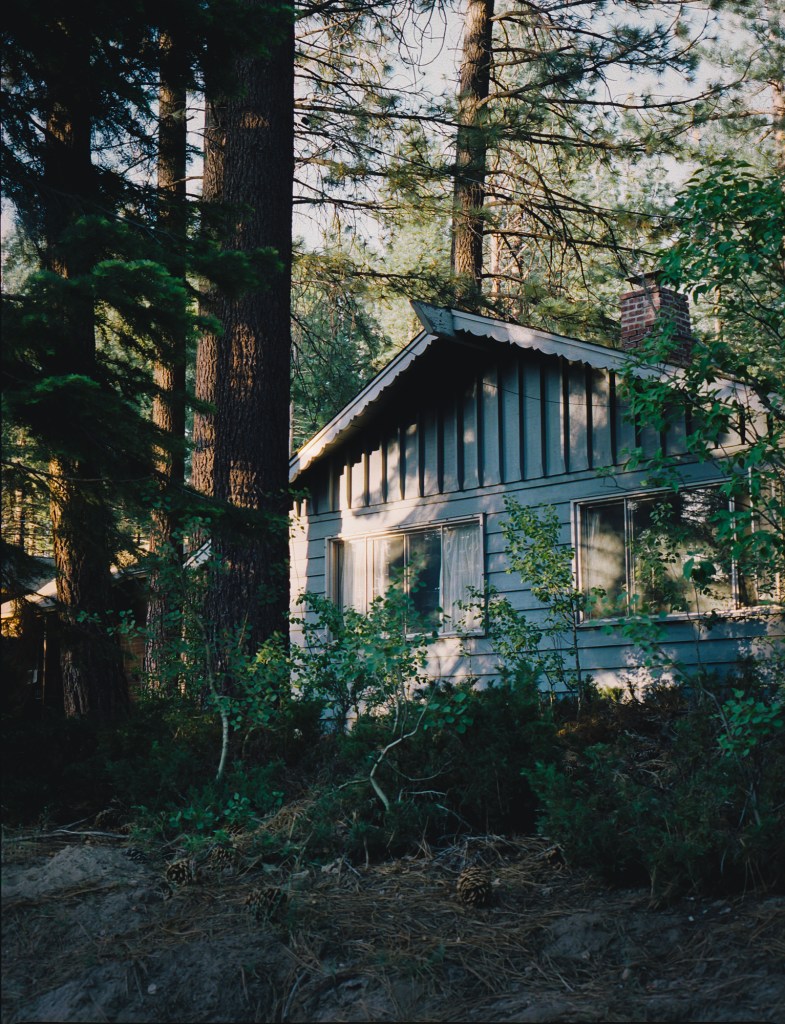
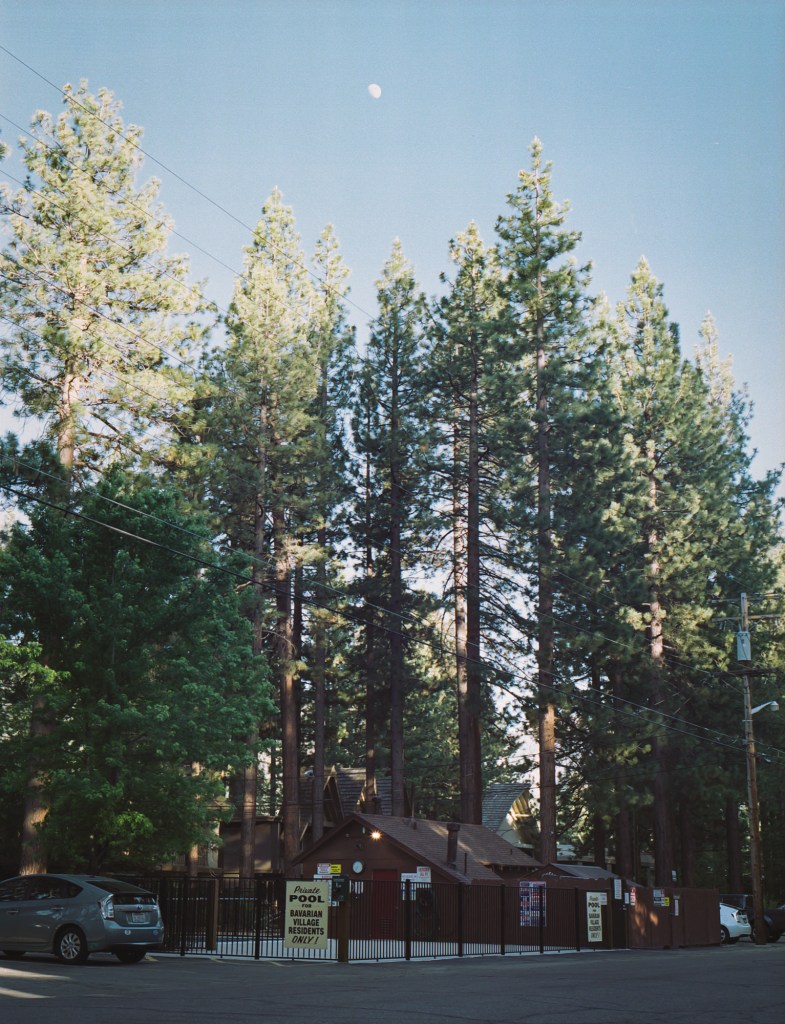
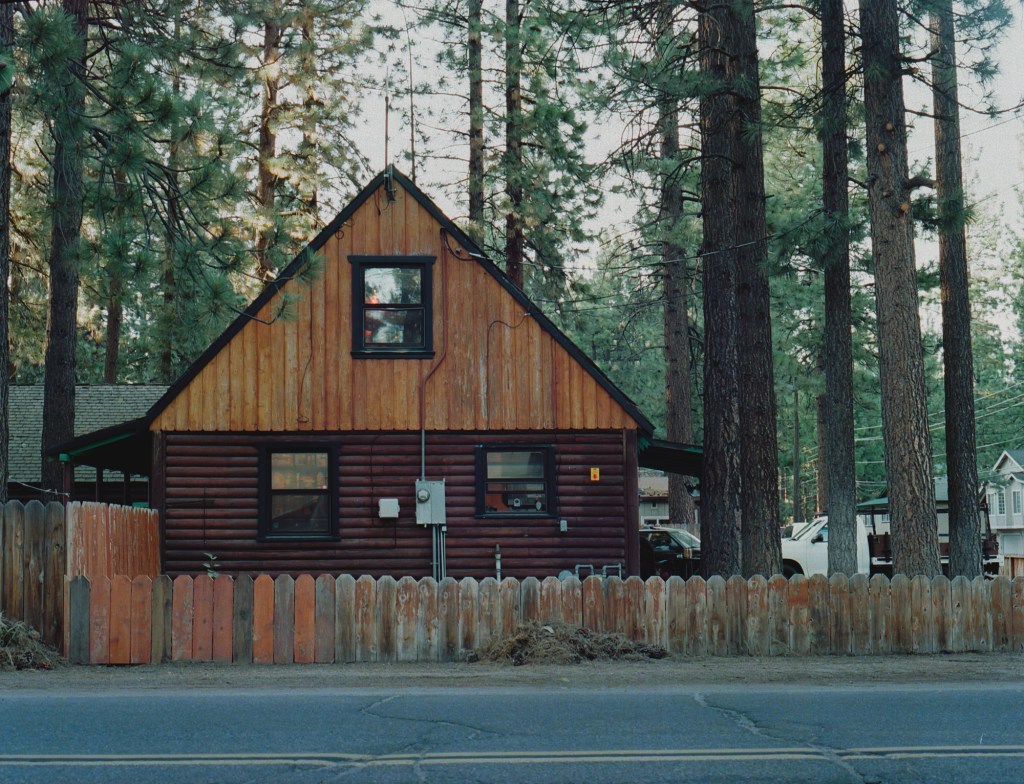
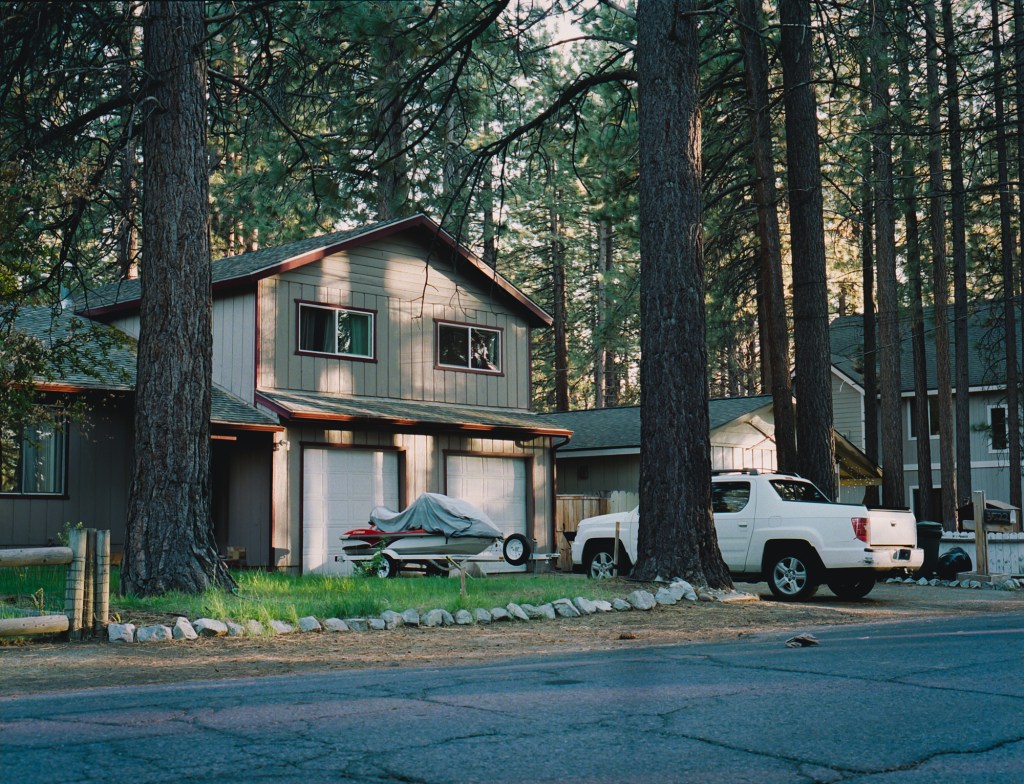
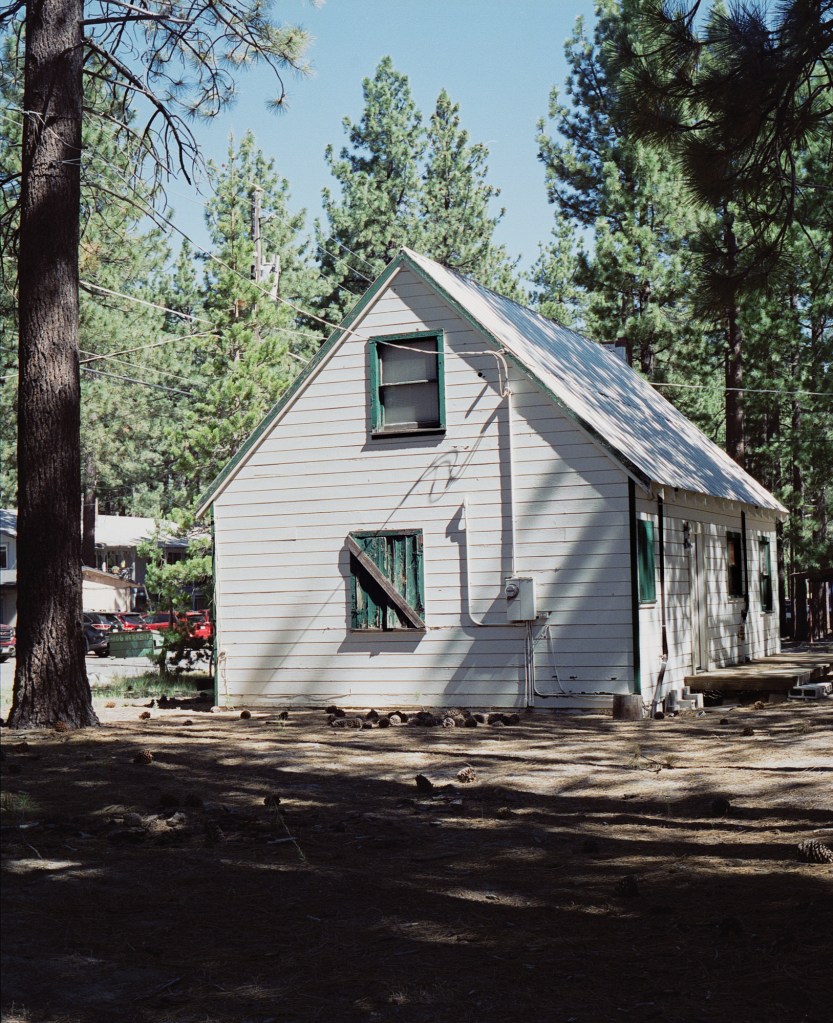
Next is some scenes near my Airbnb, beautiful sunset light on these houses, I was walking to the lake to take my long exposure on the water at sunset but couldn’t help myself not to stop by these scenes. These were shot on tripod at 1/30-2s.

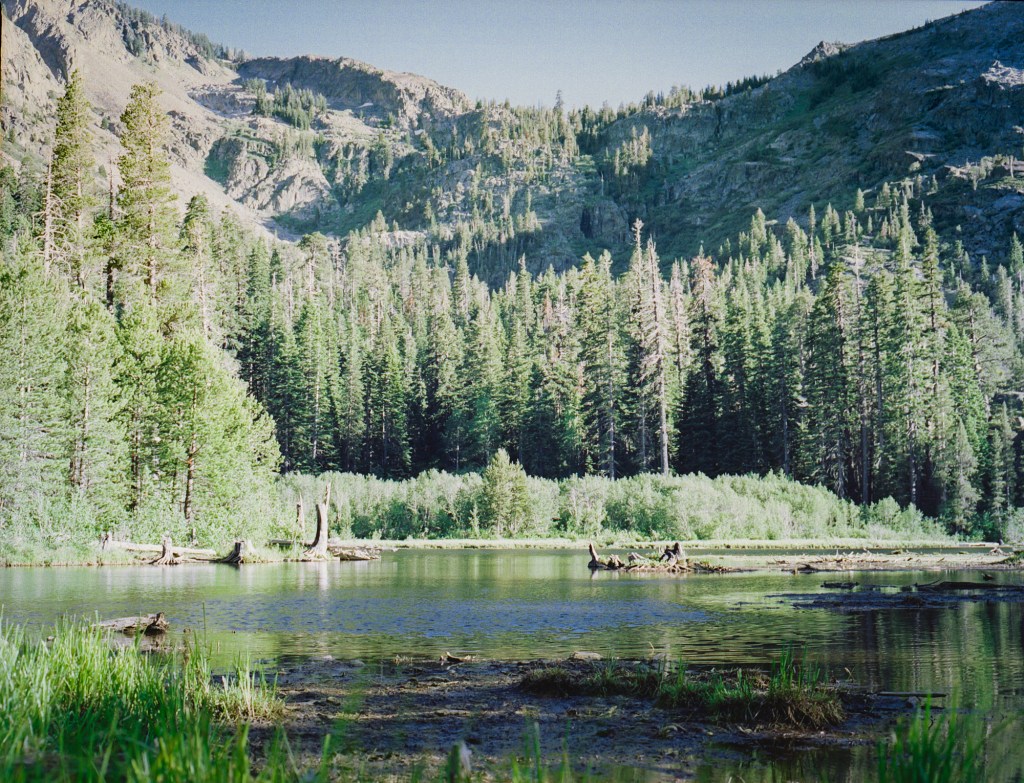
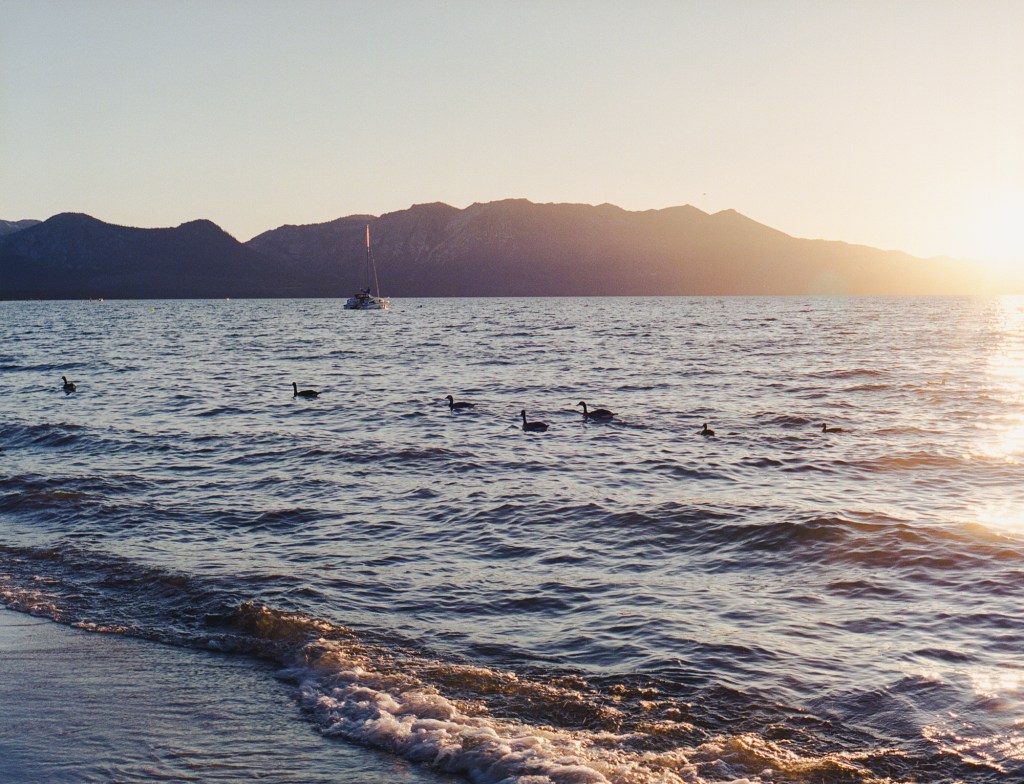
Of course next thing is sunset shots on the lake. Nothing so fancy here but I like the long exposure that give the water a nice texture to it, it’s not totally flat but still blurry and has dimension for light to fall on.

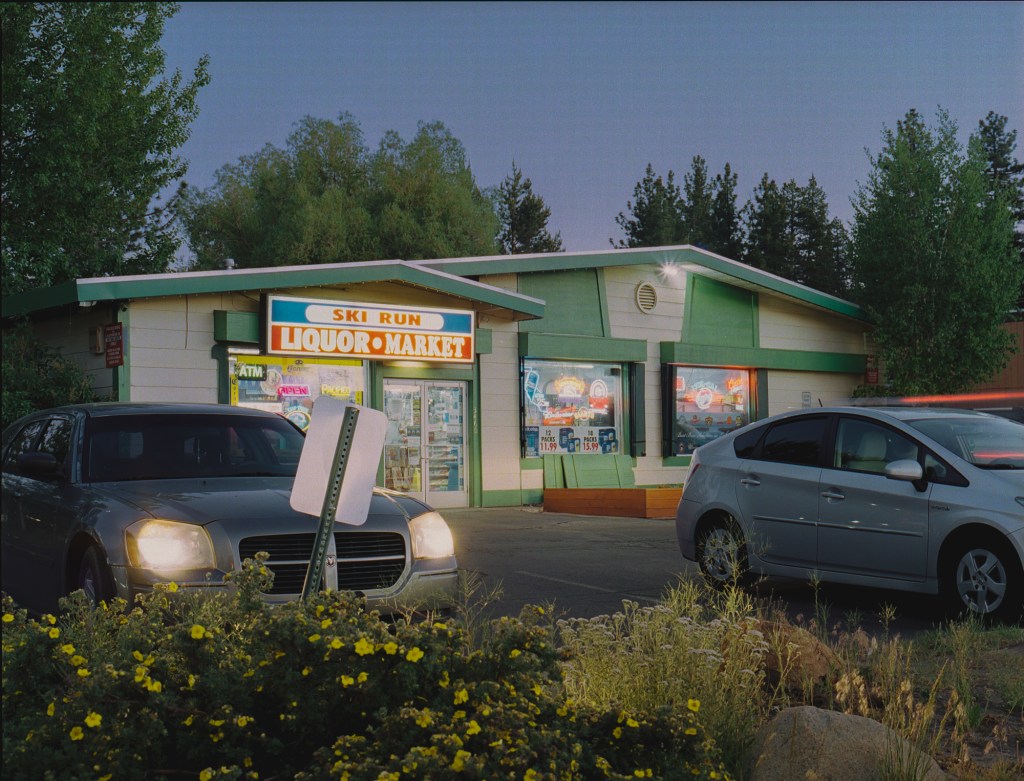
And 3 night photos that I like a lot. I had to wait in front of the liquor store for 15′ to get the shot when no car or people get in between my camera and the store, but I think the one with 2 cars parked in front is quite nice. I like the suburban vibe here pretty much.

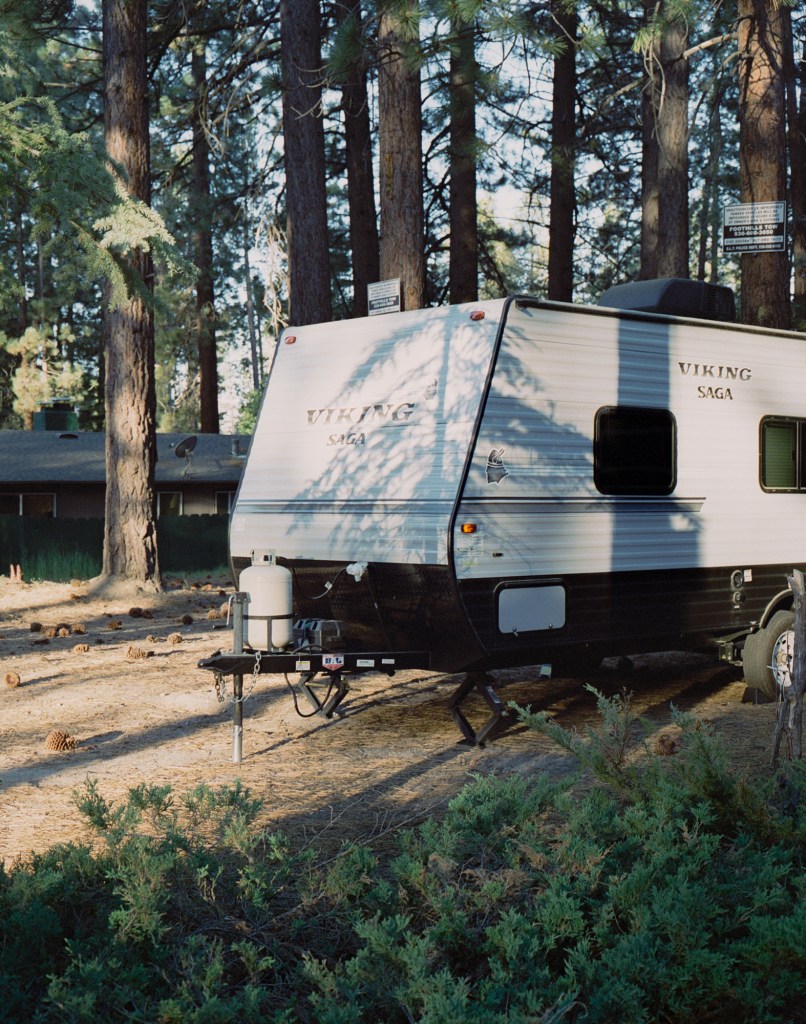
More photos from the neighborhood in the morning.

Next day, I woke up at 4:30am to walk to the lake with my Bronica, digital camera and tripod for the shot I came here for, long exposure at sunrise. These photos turn out not bad but I honestly not a big fan of long exposure water, it’s just look so flat and lack of dynamic to me.

Last is series of photos took on the last hike in lake Tahoe. On this day, I hike to a waterfall with a plan for a nice silky waterfall photo but when I got there, the sun is so high right behind the waterfall. The sun shine direct to my lens made it really hard to look into the viewfinder to compose. First time working with 10 stop ND filter in backlit situation and million droplet falling to the camera made me did a very rush job and honestly I didn’t have high hope for these photos at all. But these came out quite nice.

Here’s the rest.

Thank you for making it here. I hope that you enjoy the photos and some thought about them. Cheers!