Deborah Burian is a fine art painter based in Oklahoma City, Oklahoma. I had such an inspirational interview with her. Hope you enjoy this video. You can check out her work here: https://www.deborahburian.com/
Category: photo diaries
Abi the dancer
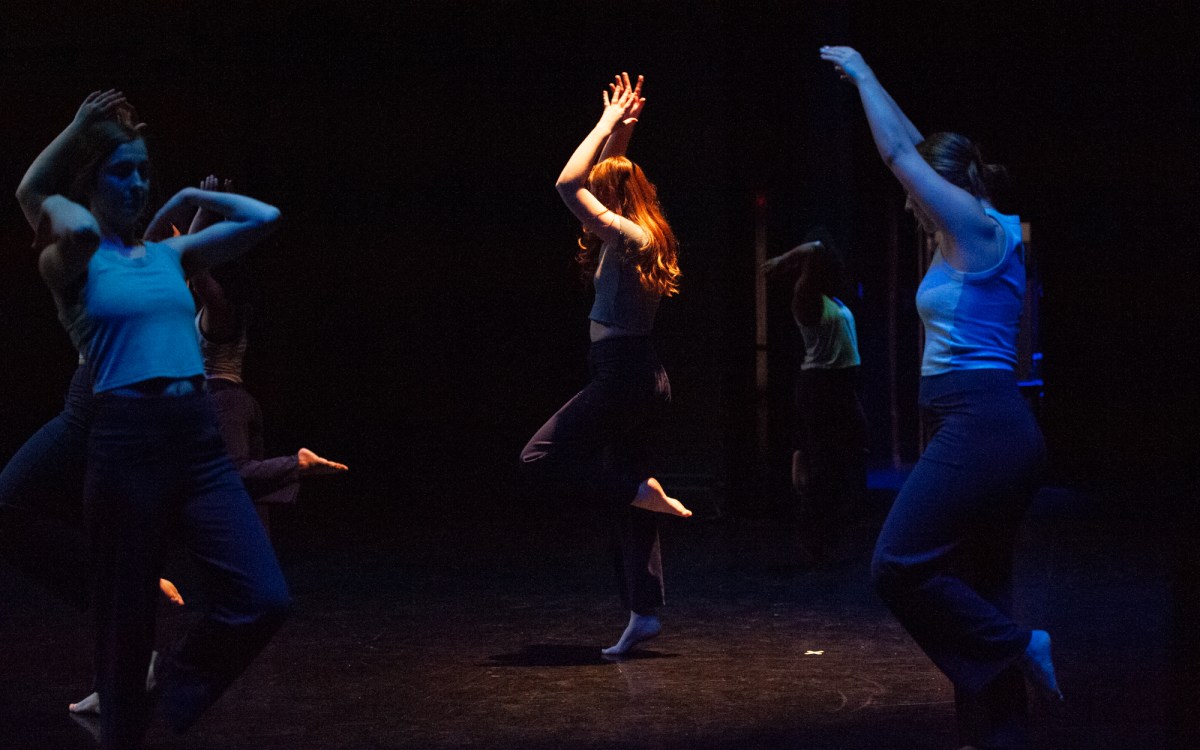
I got to know Abi and document her working on her senior capstone show for the last few weeks. This is Abi’s last show before her graduation in May 2024. It’s my pleasure to work on this project and get to know the freedom of music and dancing. Hope you enjoy this video as I do.
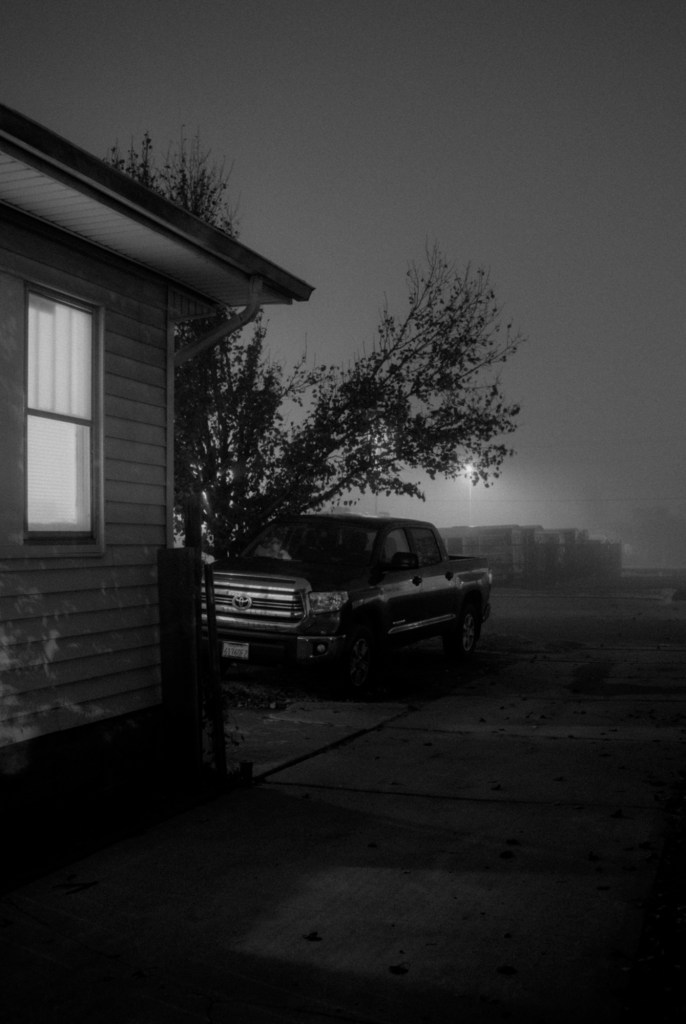
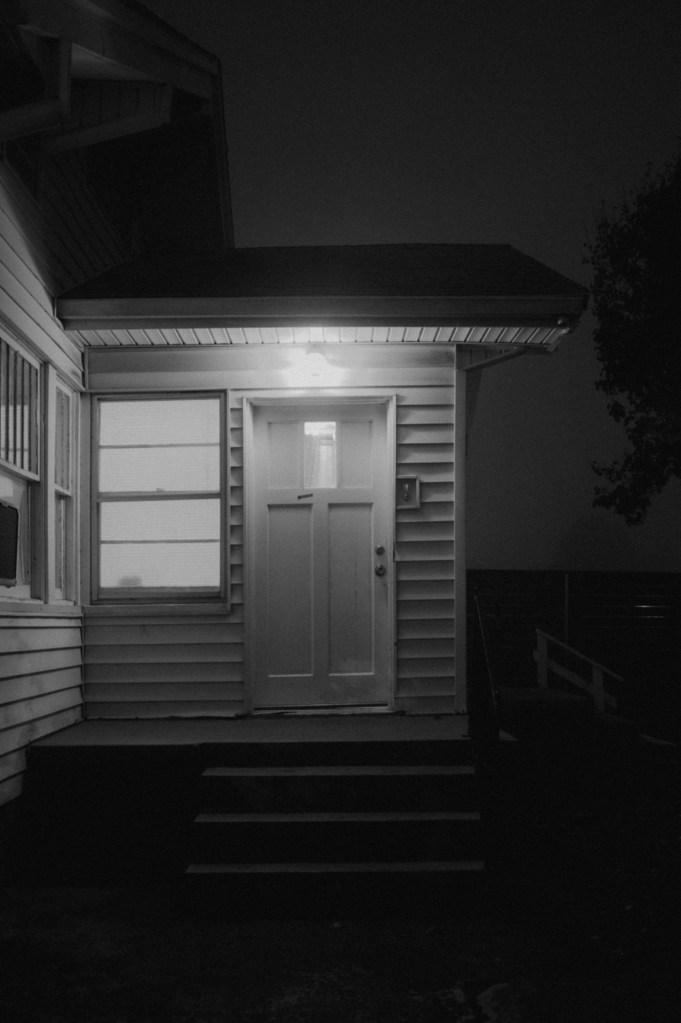
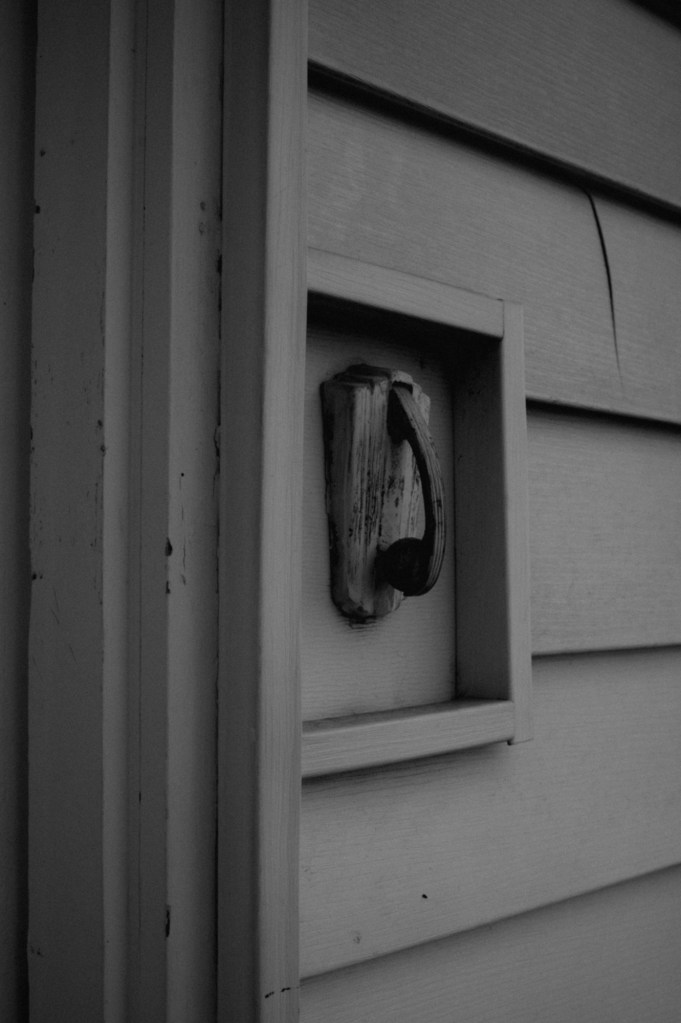
the house
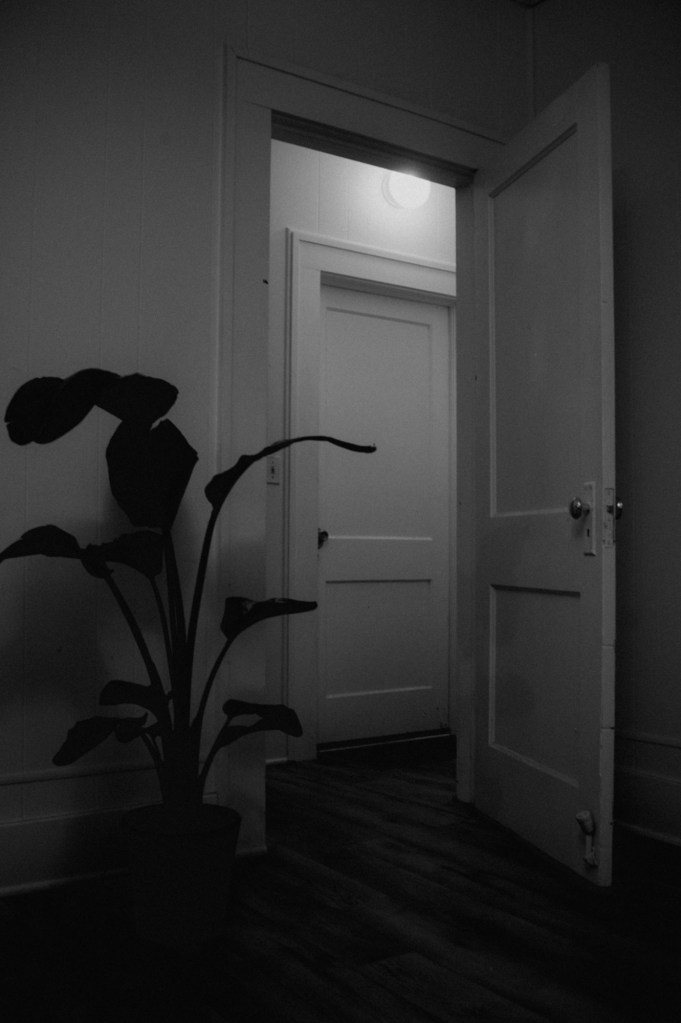
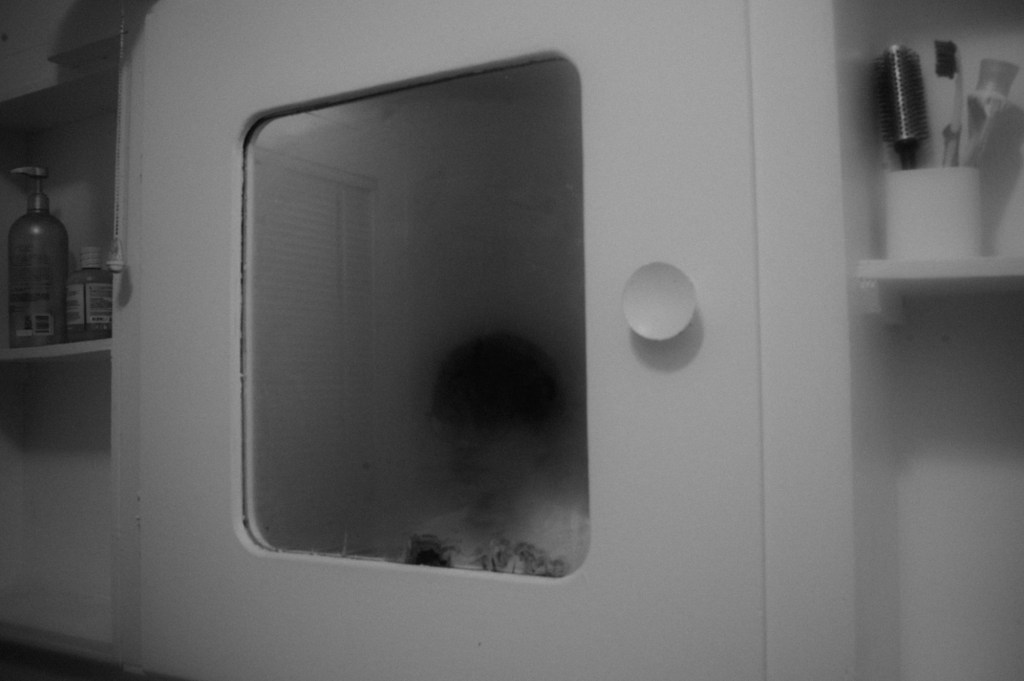
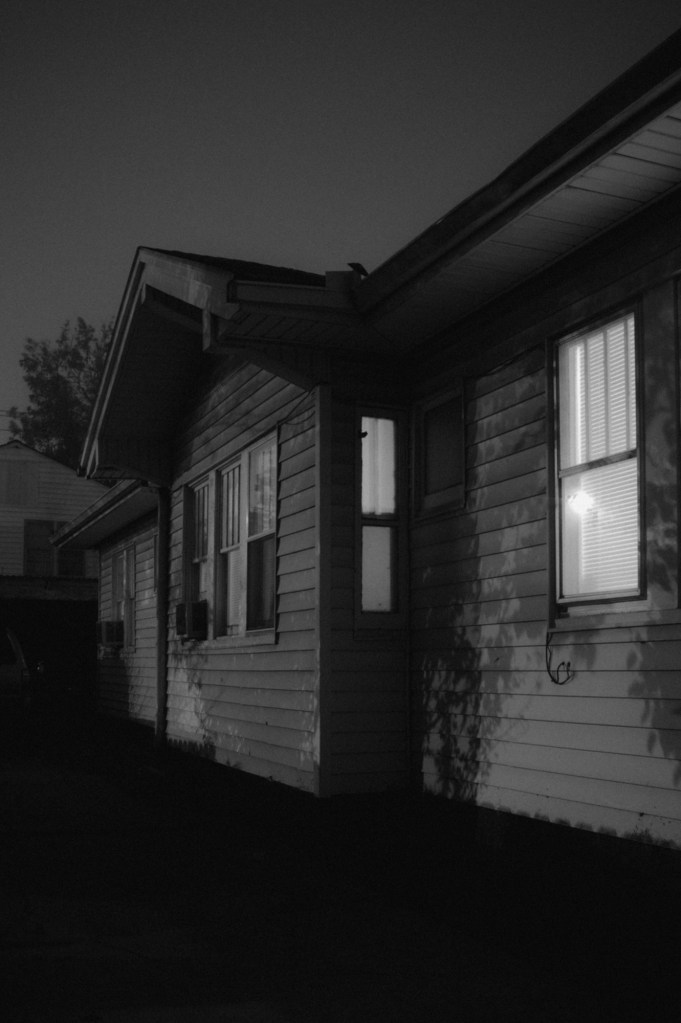
Memories about my first “home” in Oklahoma.
I moved to Oklahoma 6 months ago, all by myself. This is the first time ever in my life I move to a completely new place and know no one before. This new journey in life has been making me face new challenges and encounter new experiences that make me feel more grateful for everything. This house is the very first place in Oklahoma that I can call “home”, my first shelter, my first safe place to return to after a bad day. Although I cannot live in this house for longer time, I have had some fond memories of this place and with the people in it.
However I am moving out in the next few days, to a new house. Therefore this house already becomes nostalgic to me. I want to hold on to that nostalgic feeling and take photos of the house to reserve the memory of this place. I choose black and white photos to unify the photos and add timeless sense to this series.




notes on Hiroshige’s work
Some notes on Hiroshige’s work that can relate to composition study in photography.
Learning from Utagawa Hiroshige’s work, I found many interesting composition techniques that can relate to [my] photography. These are things that I feel interesting and connected to me, or at least I feel please to look at.
If you haven’t known, Utagawa Hiroshige was a master ukiyo-e (woodblock printing art that highlights the pleasure scenes in life, such as beautiful landscape, pleasure activities, festivities, female beauty, flowers and folk tales) artist in Japan during Edo era. He lived from 1797 to 1858, created about 8000 woodblock art prints demonstrated mostly landscape, everyday scenes, fleeting weather conditions and festivities. He was considered the second greatest ukiyo-e artist, after Hokusai. His work even influenced Impressionist and Post-Impressionist painters in Europe. “Fifty-Three Stations of the Tokaido” and “One Hundred Famous Views of Edo” are two most brilliant and lasting series of Hiroshige.
I’m drawn into Hiroshige work because of the poetic and mundane feels in his work. To me, Hiroshige’s work is not as neat and perfect as Hokusai’s work, but it’s more calm, peaceful, intimate and soothing, like real memories from his own experiences walking pass those scenes in his endless journey looking to observe life and people around him. Maybe because of the imperfection in his work, his composition to be exact, I can feel the realness of life in that, like he painted/sketched as what he saw, not perfectly align things to the most pleasing angle/position in the frame. Here’re some notes I got learning from his prints:
First, Hiroshige usually put something [very] big or dominant as foreground in the frame.
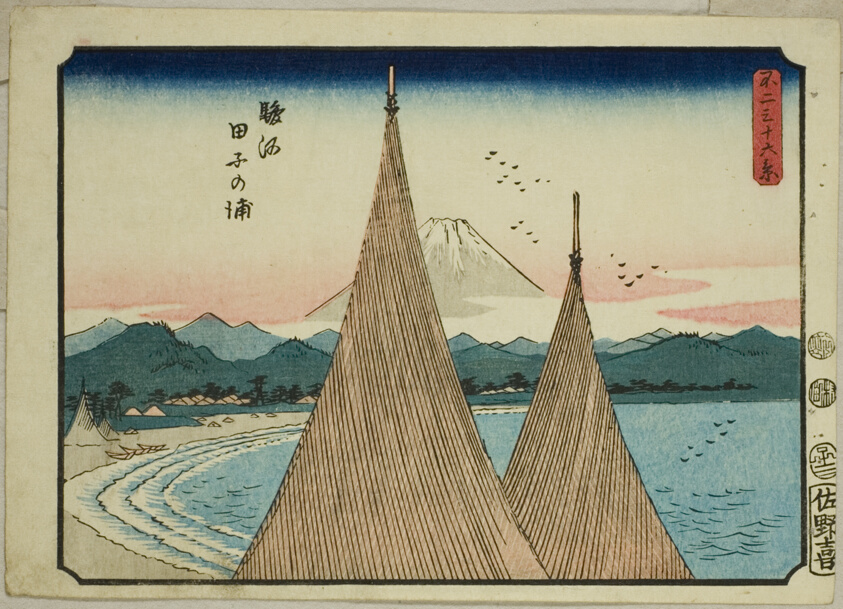
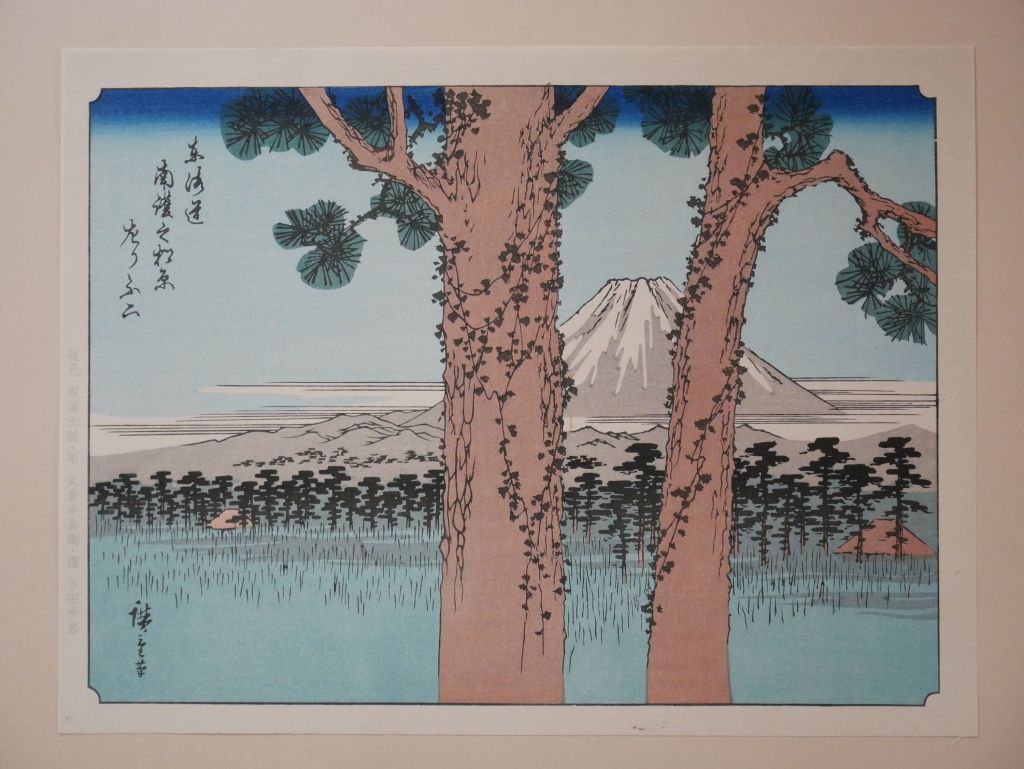
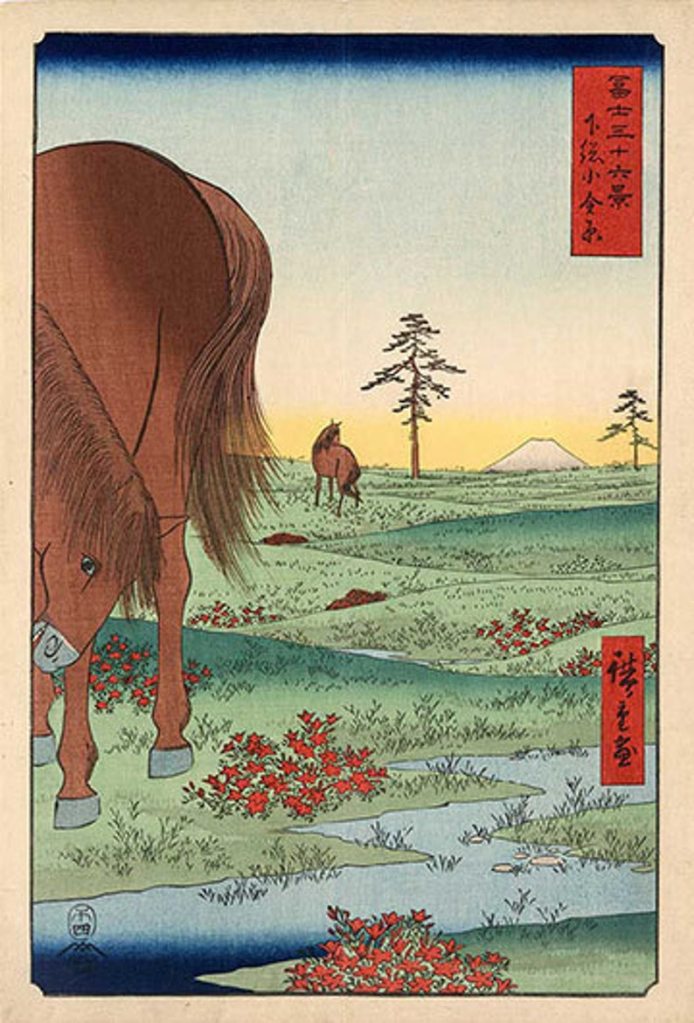


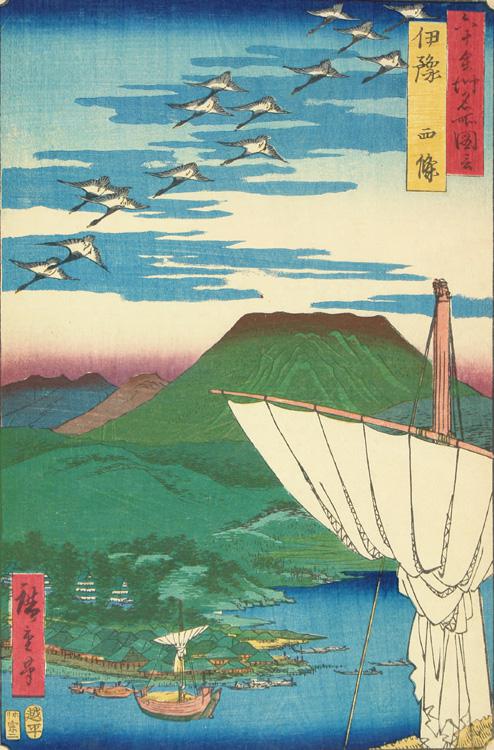
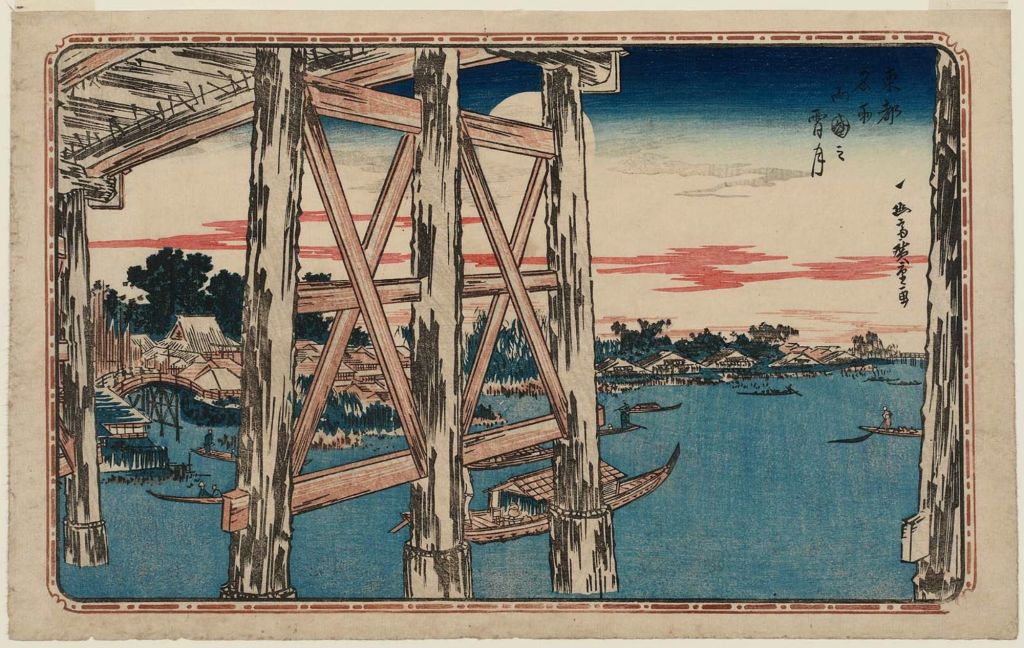
Especially he liked to use tree trunk for this purpose.


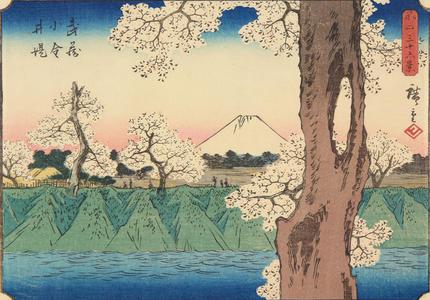
Secondly, he usually put a tree trunk in the middle of the frame unapologetic. As we usually heard that in photography or painting, we should not put a tree (or big subject) in the very middle of the frame unless it’s a symmetrical composition. But look how Hiroshige do the opposite so beautifully below.
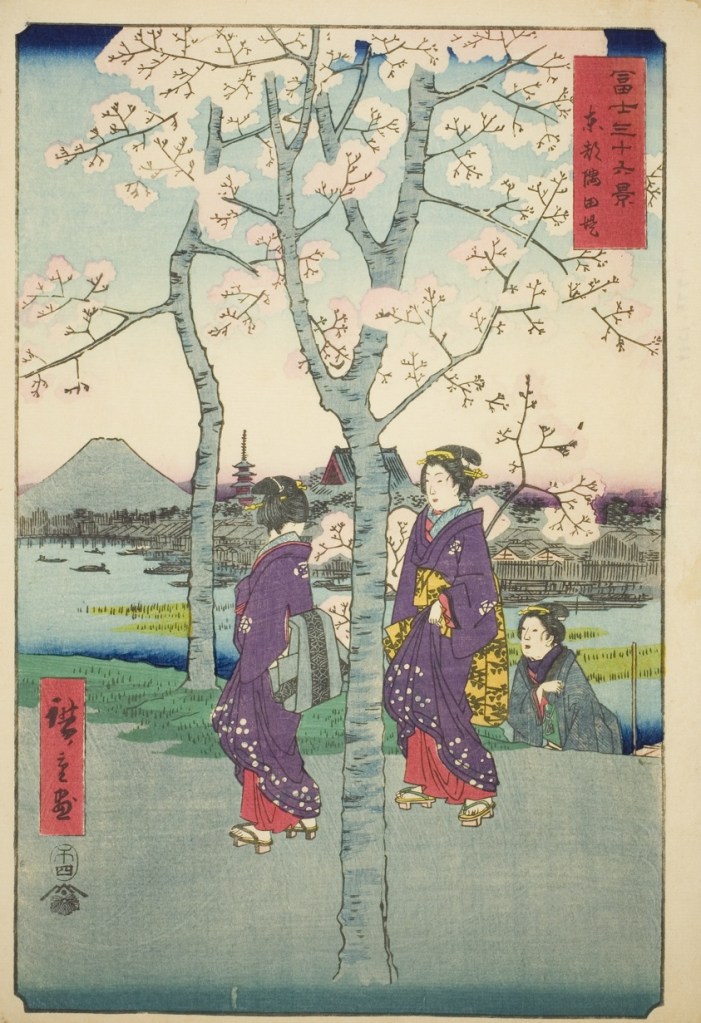

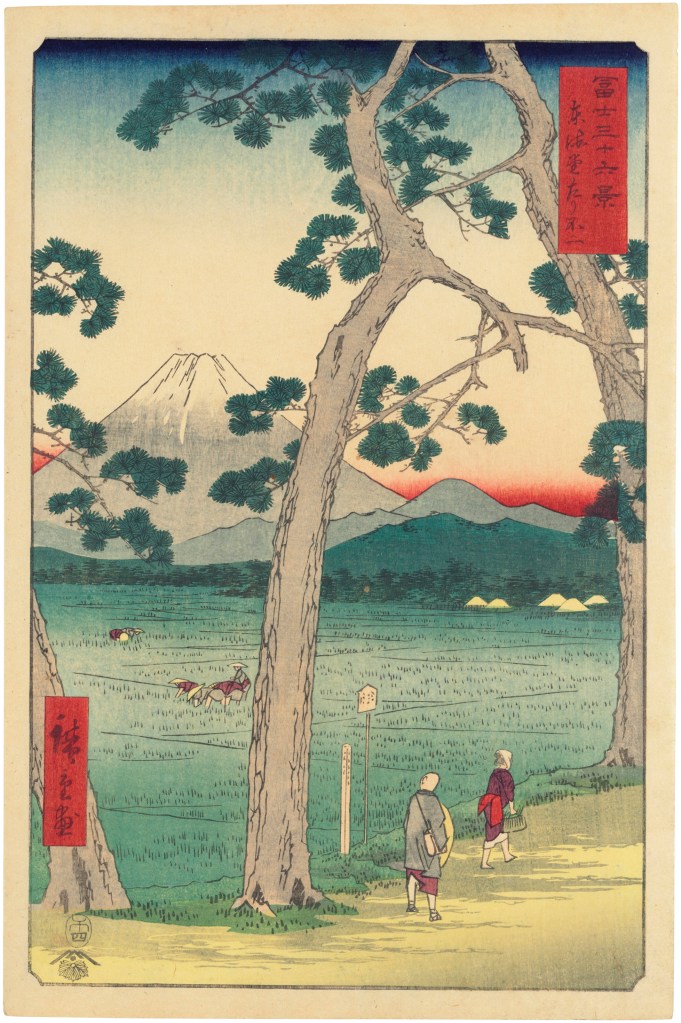
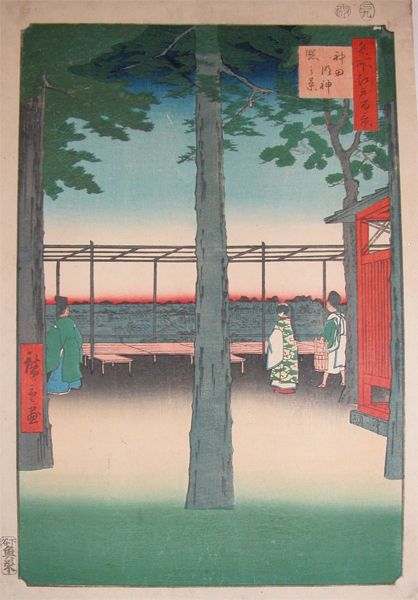
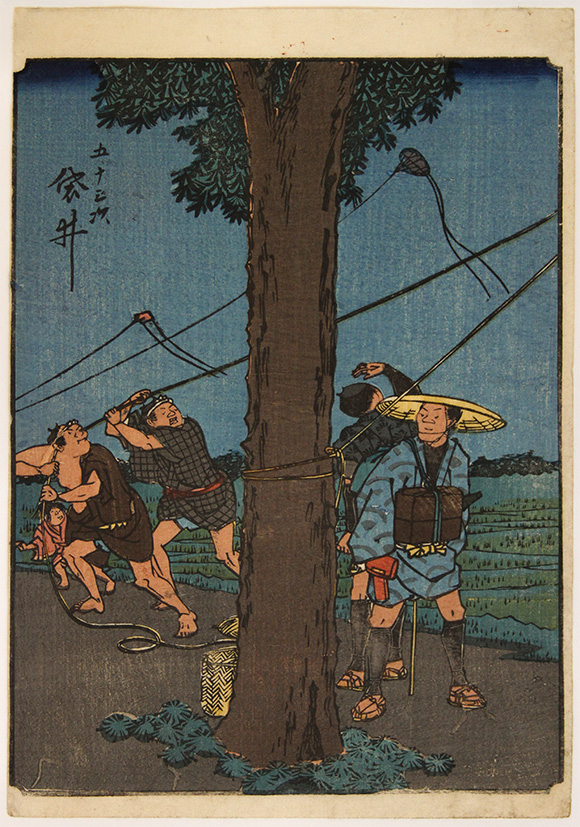
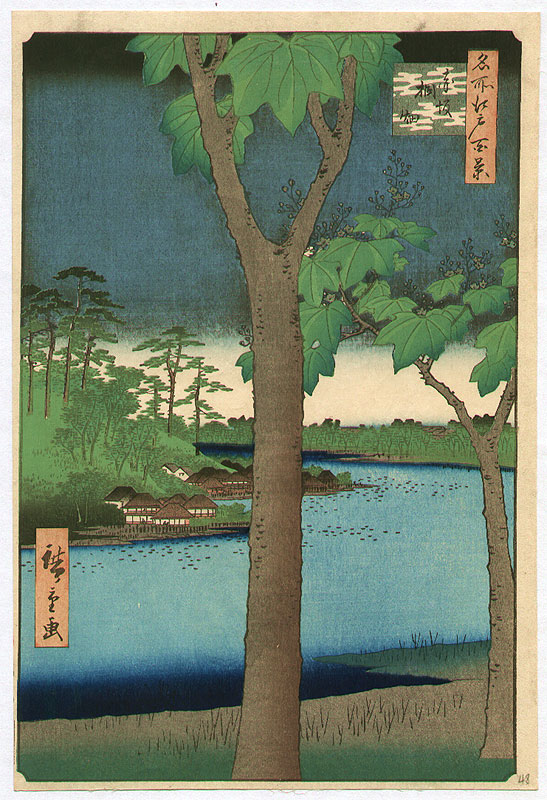

This is not a tree trunk but same concept here.
Then Hiroshige liked to put subjects at the edge of the frame to cut off the subjects but still enough for the viewers to imagine the shapes, scale or function of that subjects.
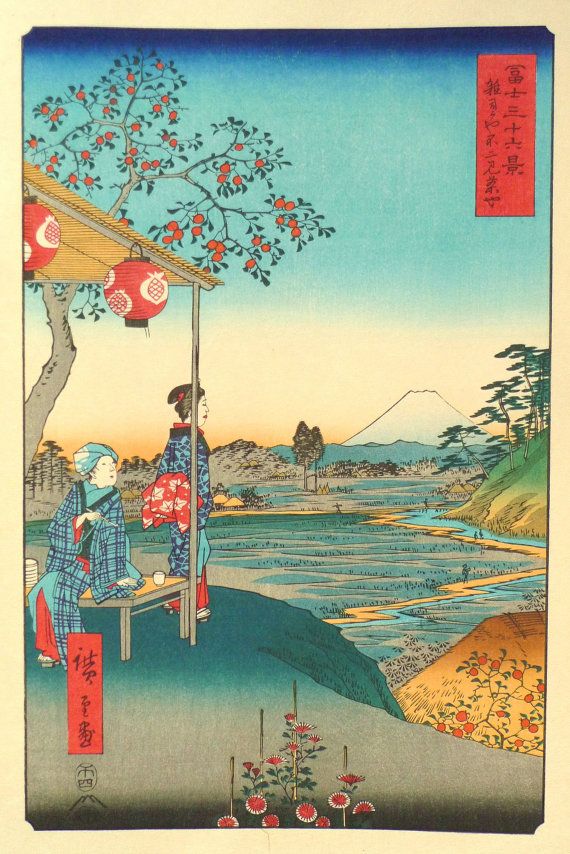
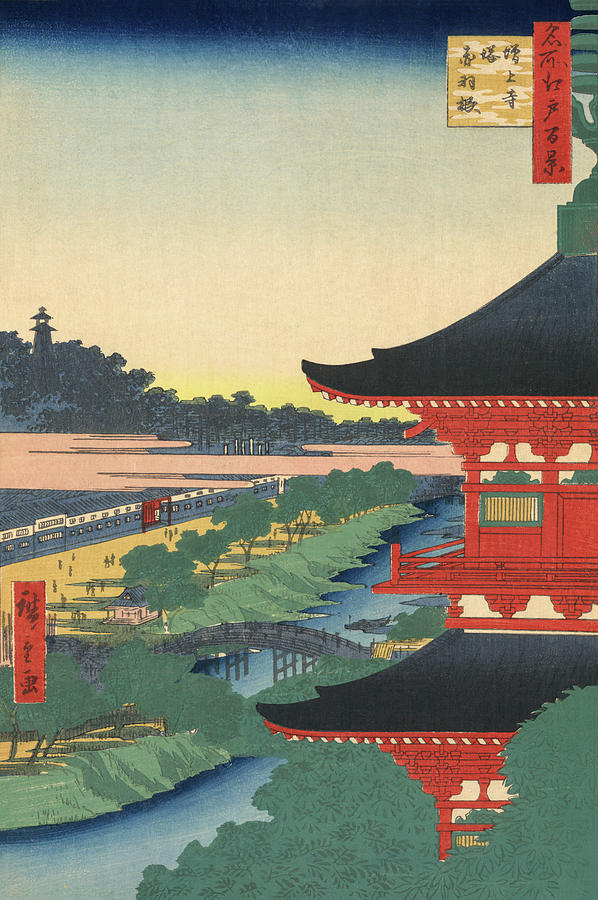

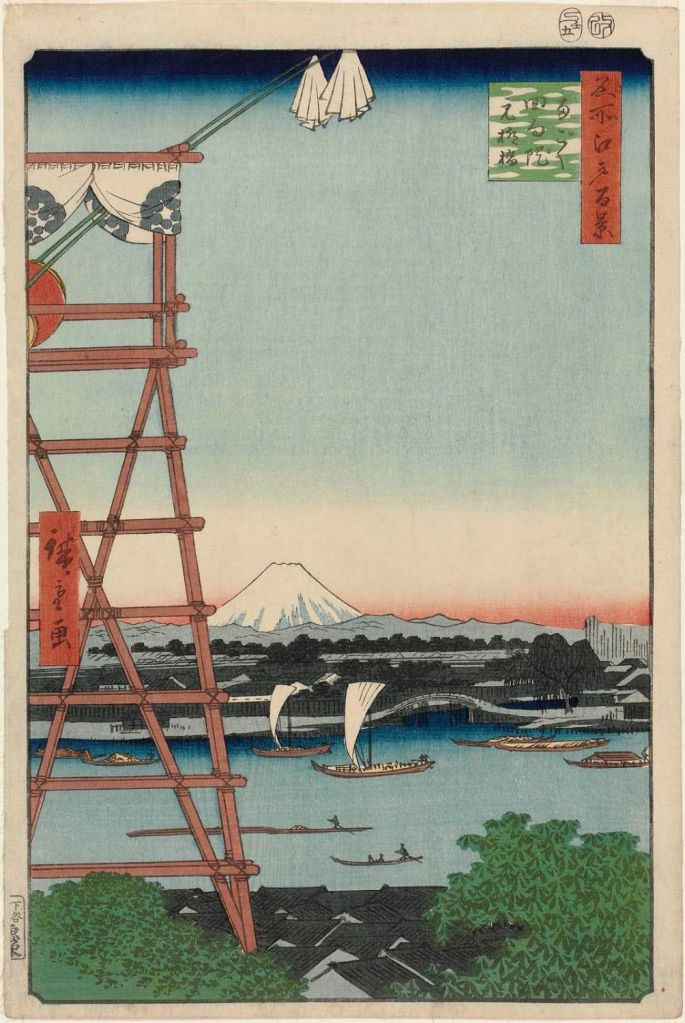

Next, and you probably know by now that Hiroshige’s work includes complex layers and subjects. There’re always foreground, middle ground and background. He barely did a minimal composition.
Point number five is the use of negative space. As you can see in the photos below, he didn’t hesitate to leave a big chunk of negative space in the frame.
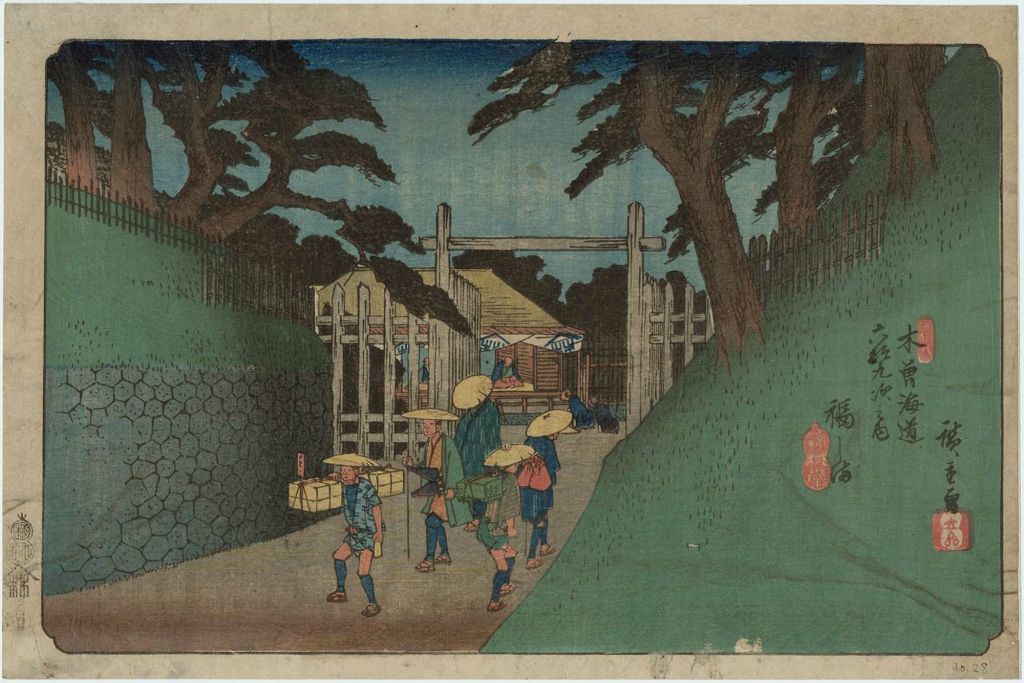
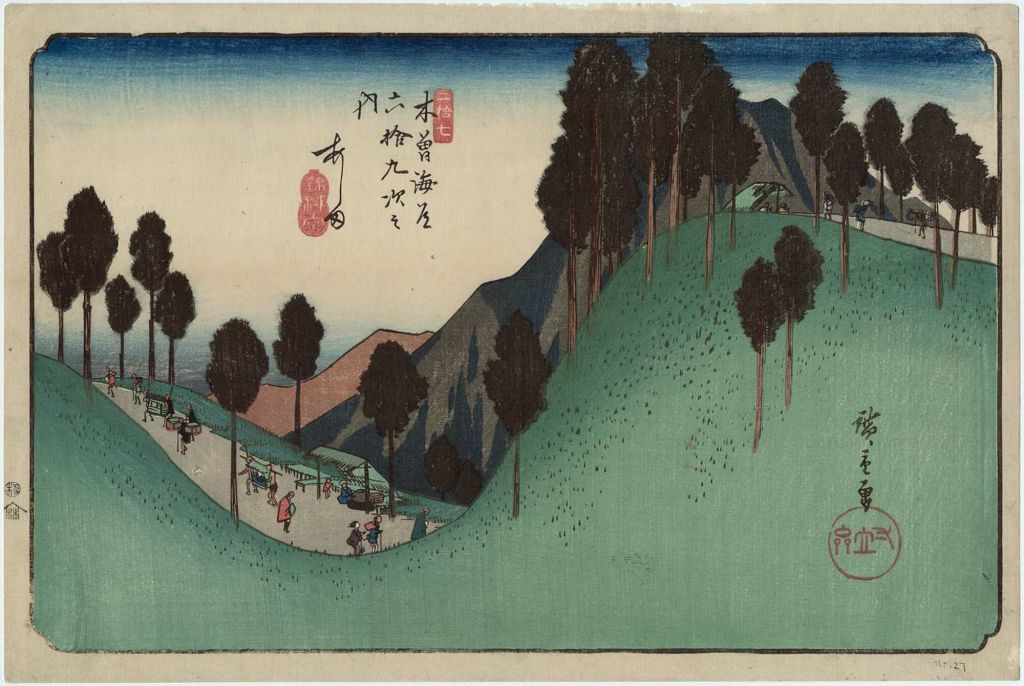


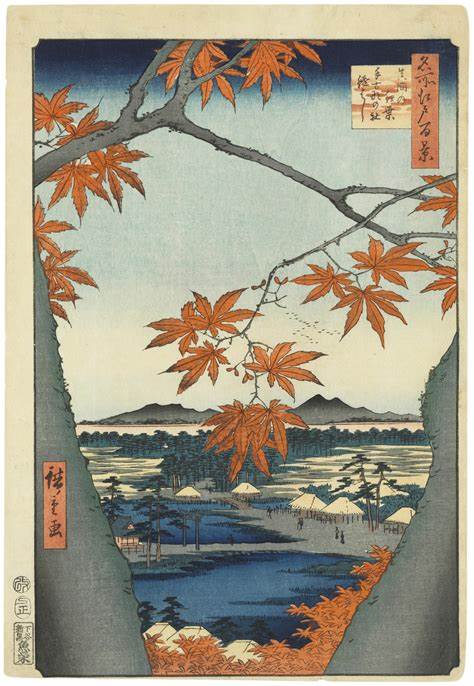
Point number six, the use of subframe. Some are quite obvious but some are more subtle.


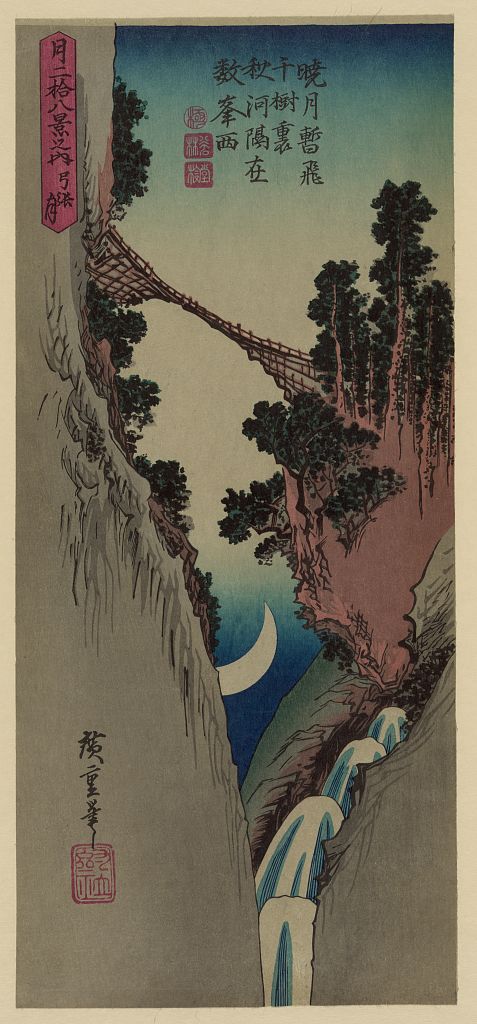
Bonus point: he also has some interesting composition that I can’t help but think of wide-angle lens in photography term. You will know what I mean in three photos below.
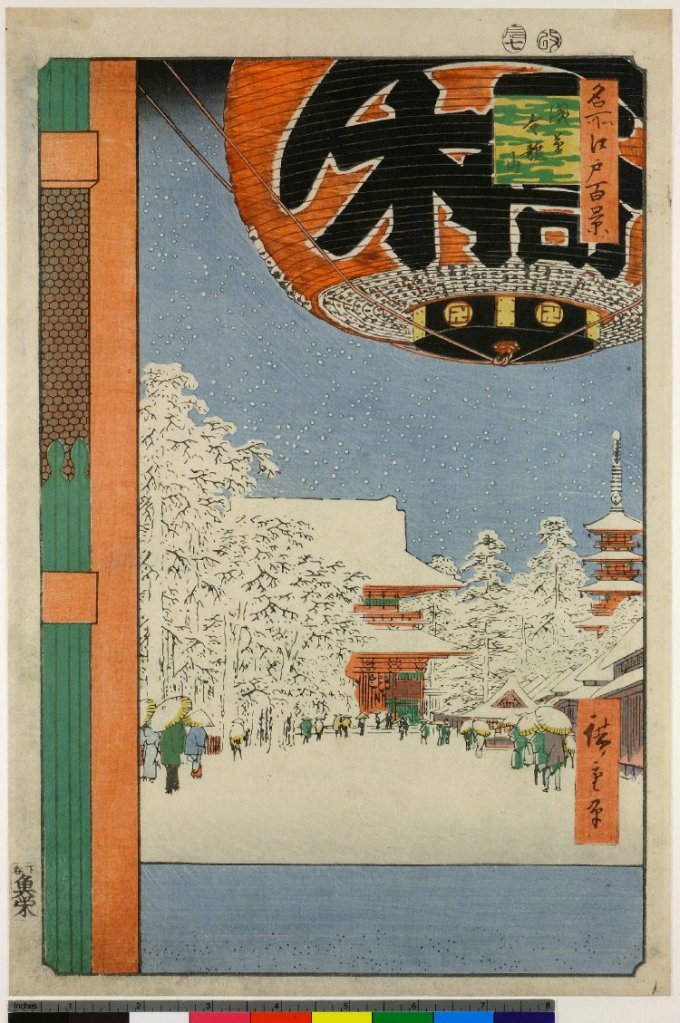

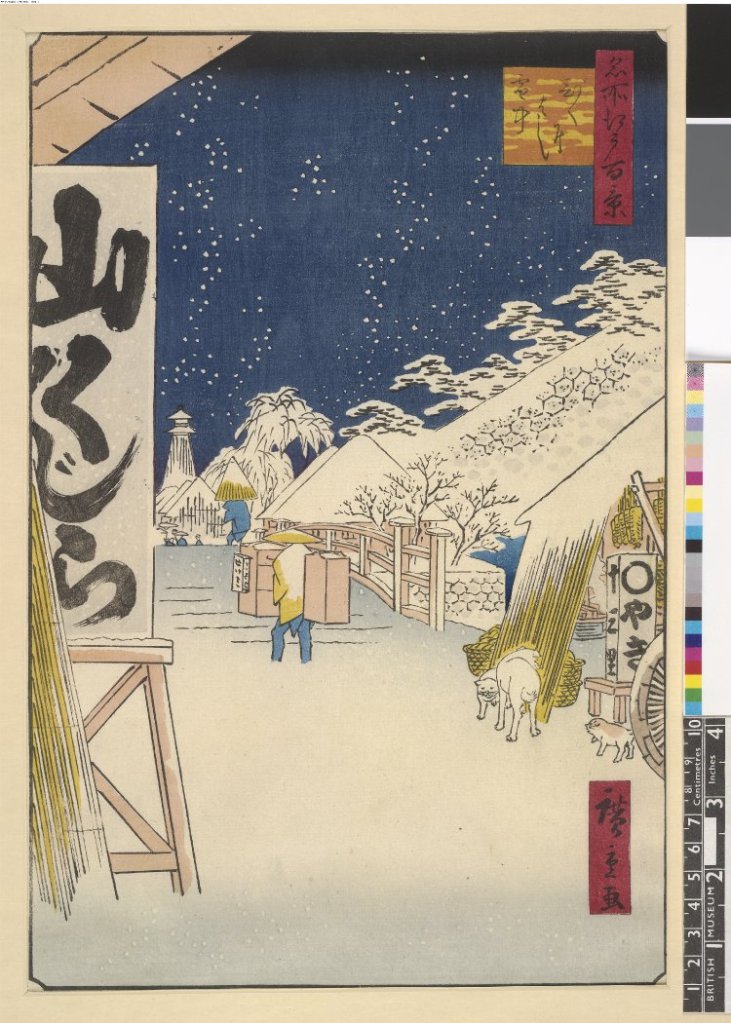
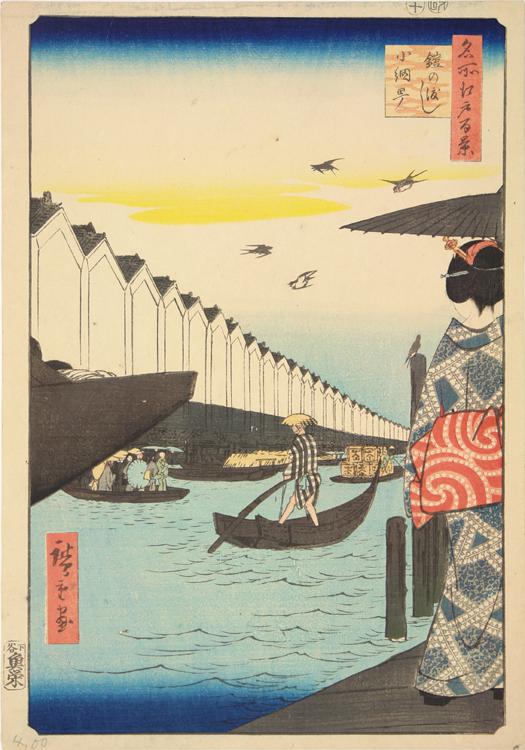
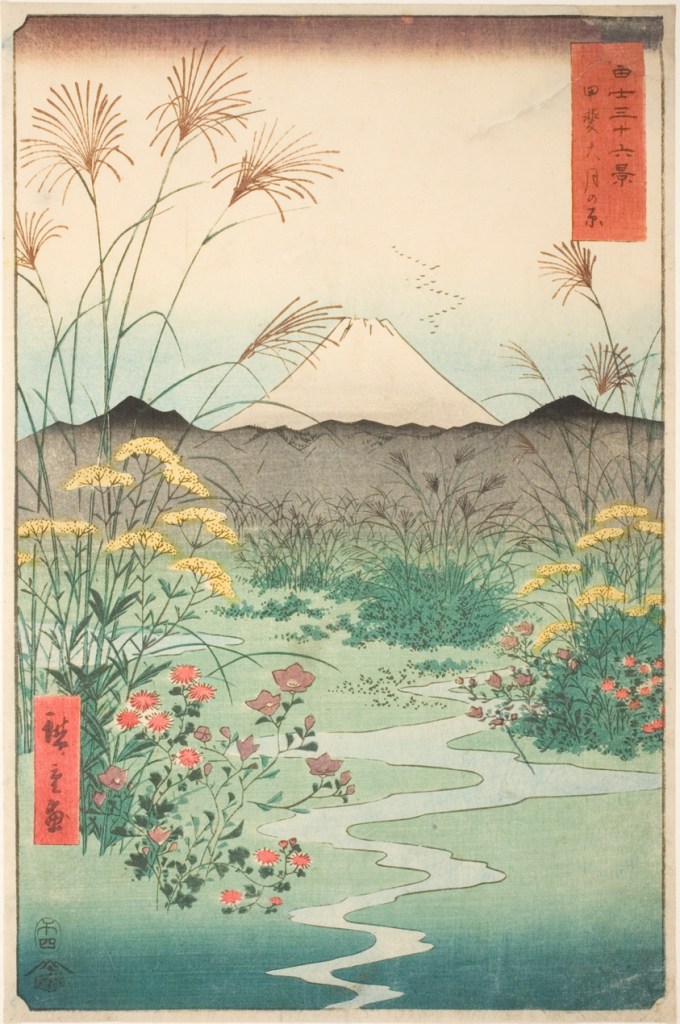
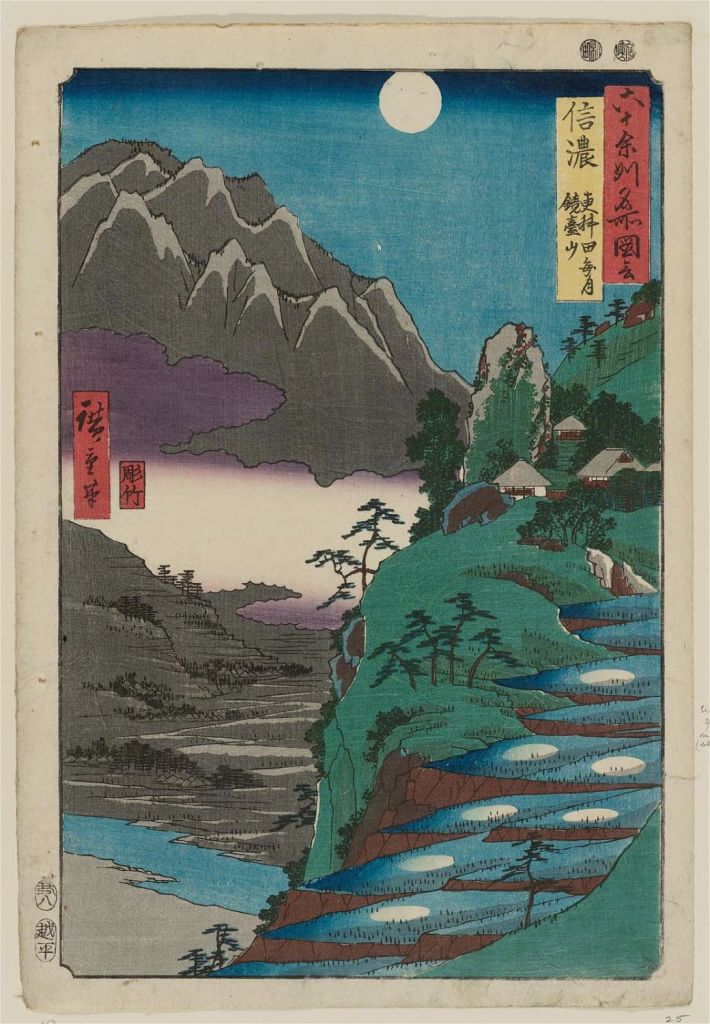
And here’re some other amazing prints from Hiroshige that I personally love. Since you’re already here and get to know Hiroshige, enjoy these brilliant work!


Reference:
https://ukiyo-e.org/artist/utagawa-hiroshige?start=100
https://www.artic.edu/artists/34946/utagawa-hiroshige
summer in yosemite
Yosemite in the summer on Pentax 6×7 medium format film camera

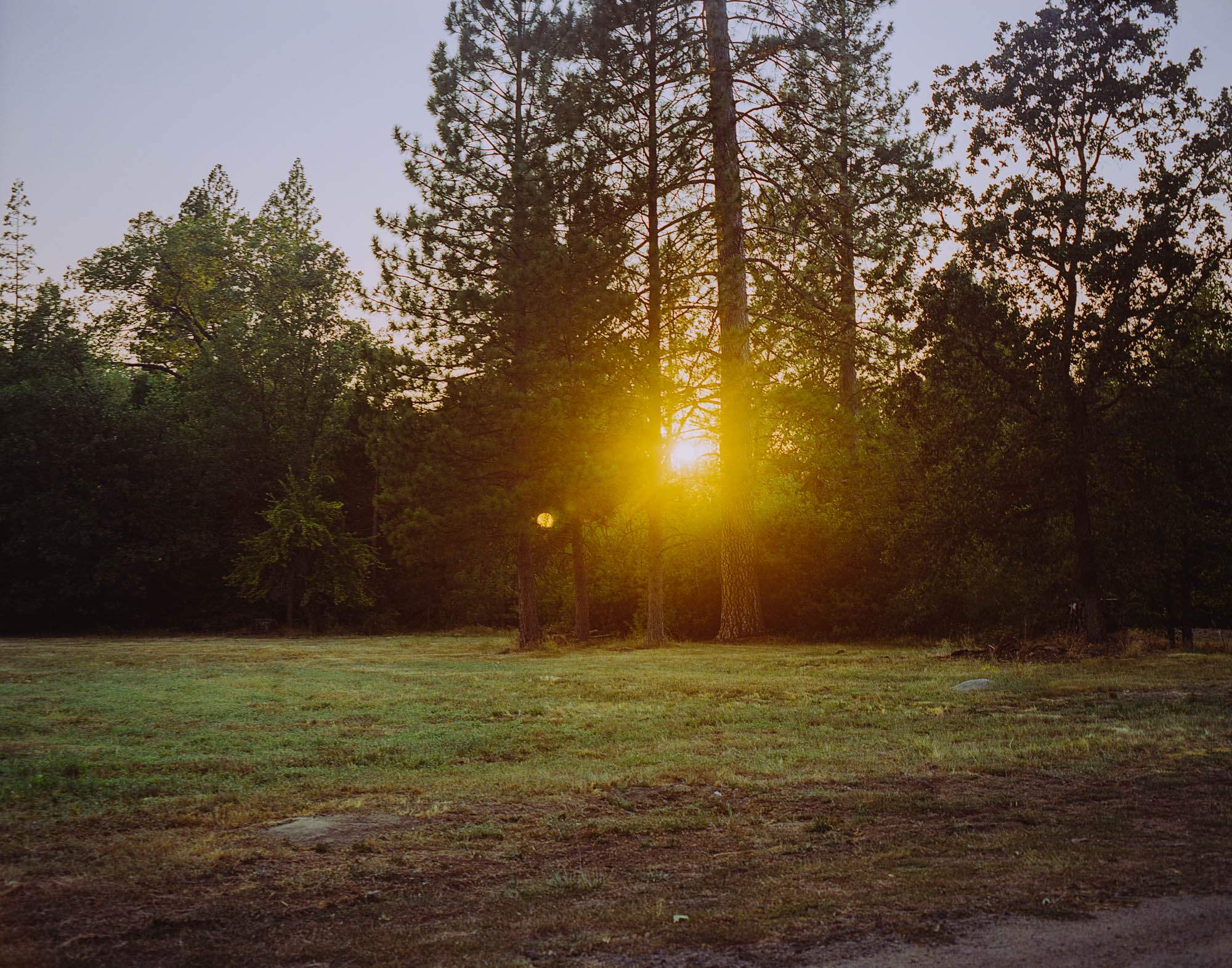
It’s been a while since my last post. I’m glad that I’m back on time for the summer. I was a big Lana Del Rey’s fan years ago. In her songs, I got the impression that summer is the most beautiful season of the year. All the summer vibes in her music are so goldenly youthful, vivid and full of lust for love. From her “Young and beautiful” lyrics, a perfect summer scene stuck in my head and I will forever looking for a summer moment in mid July, when the heat turns overwhelmed along with the humidity and the fruits are so ripe with all the juice about to burst out of their soft skin just before they turn rotten in the heat of summer. I just love how lively and vigorous but also nostalgic summer is in her mind, it’s the best suit for young and wild hearts that are full of love in the relentless summer heat.
My photos are quite different than what I posted here before, I don’t know why my “style” [if I had one] has changed but I’m glad with how it looks now. It’s a coincident when I wrote the intro for this post and realized how Lana Del Rey’s summer vibe was so similar with what I got here.
Here’s the slideshow for quick look at the series.
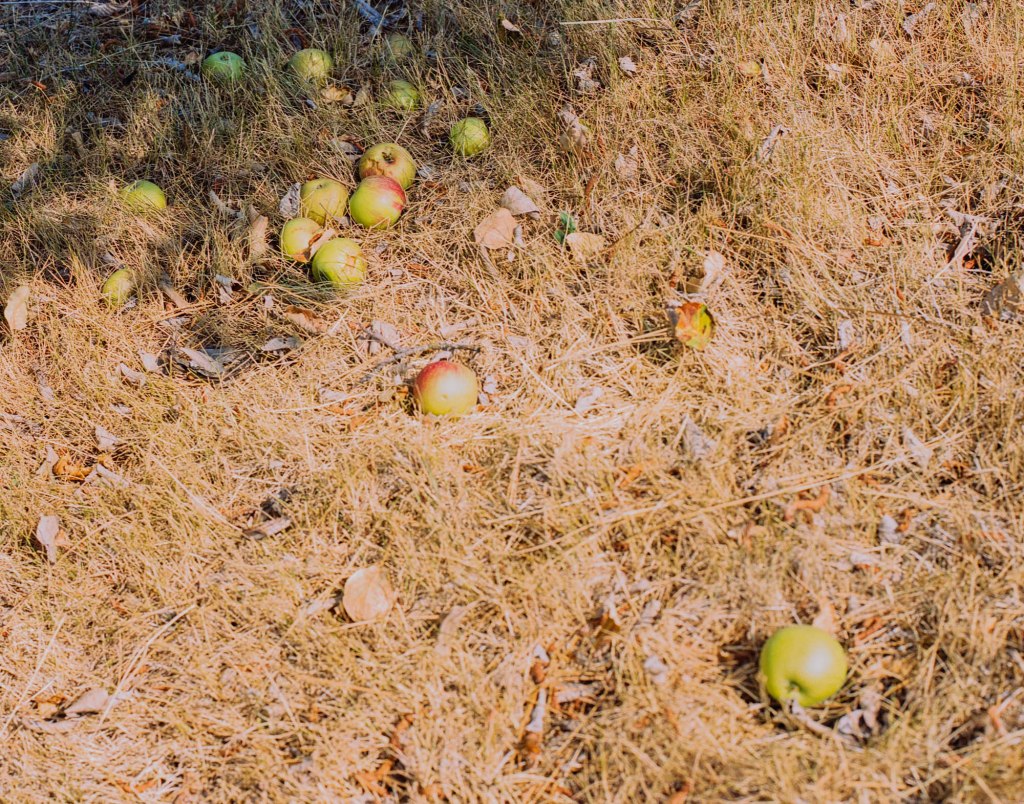



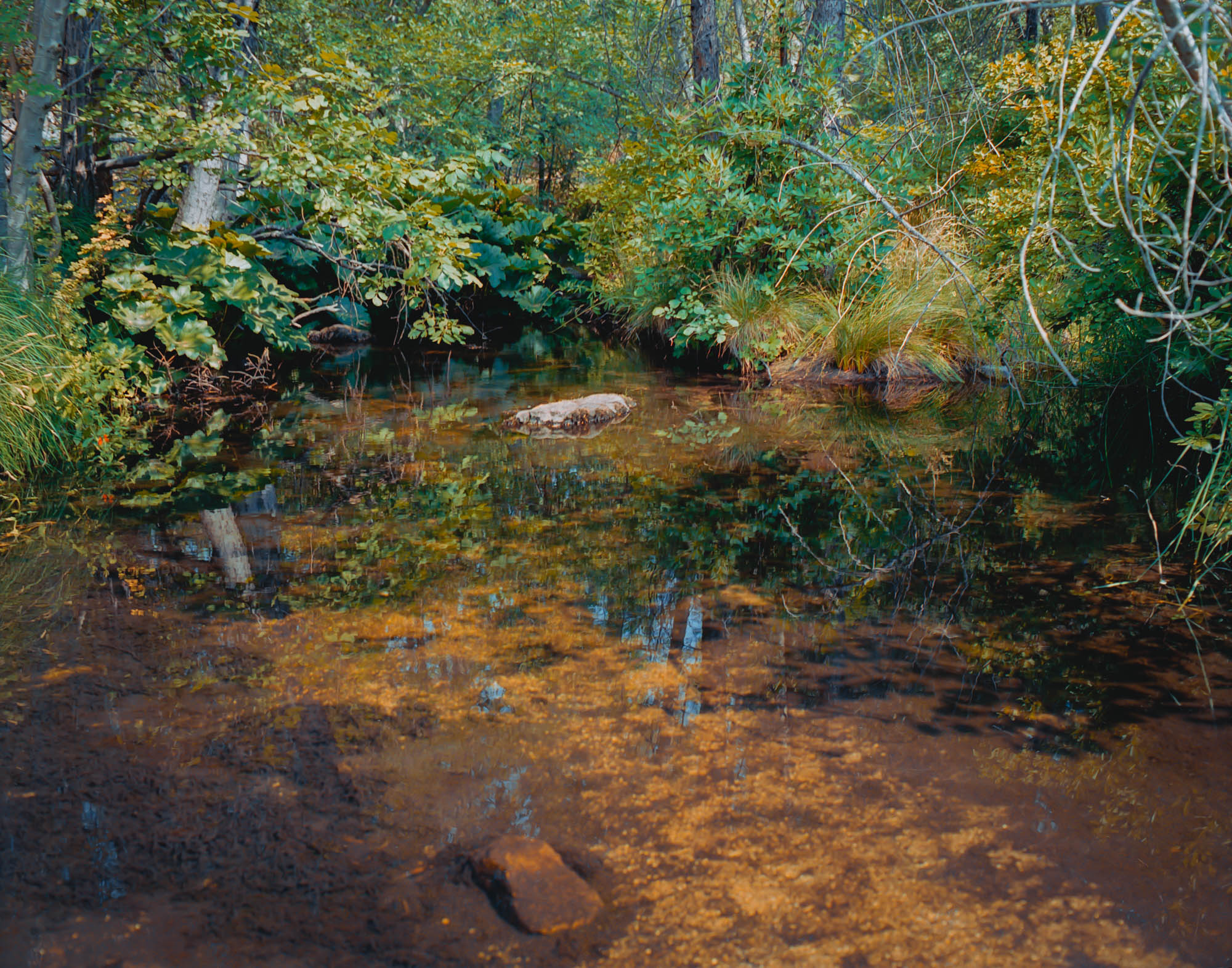
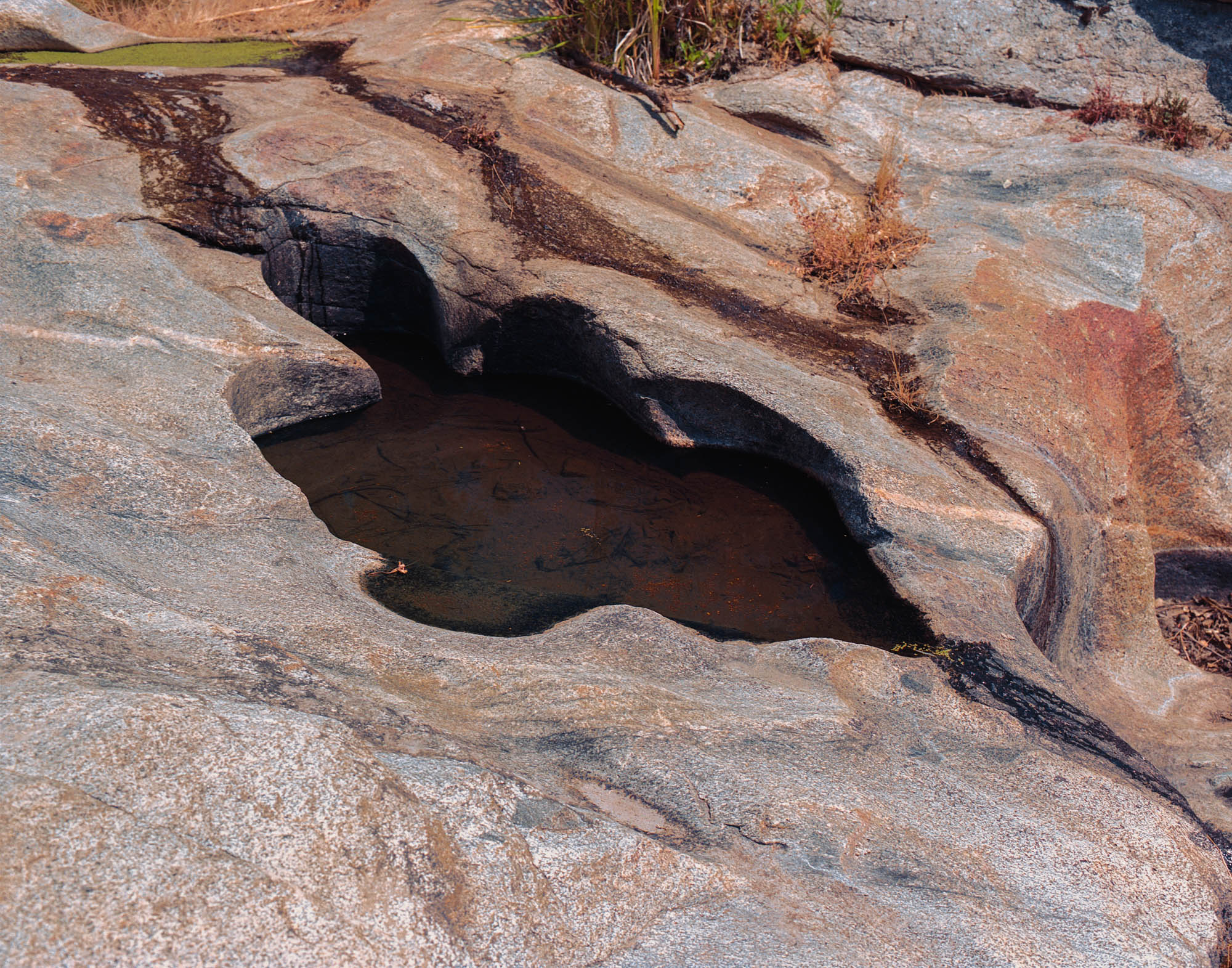


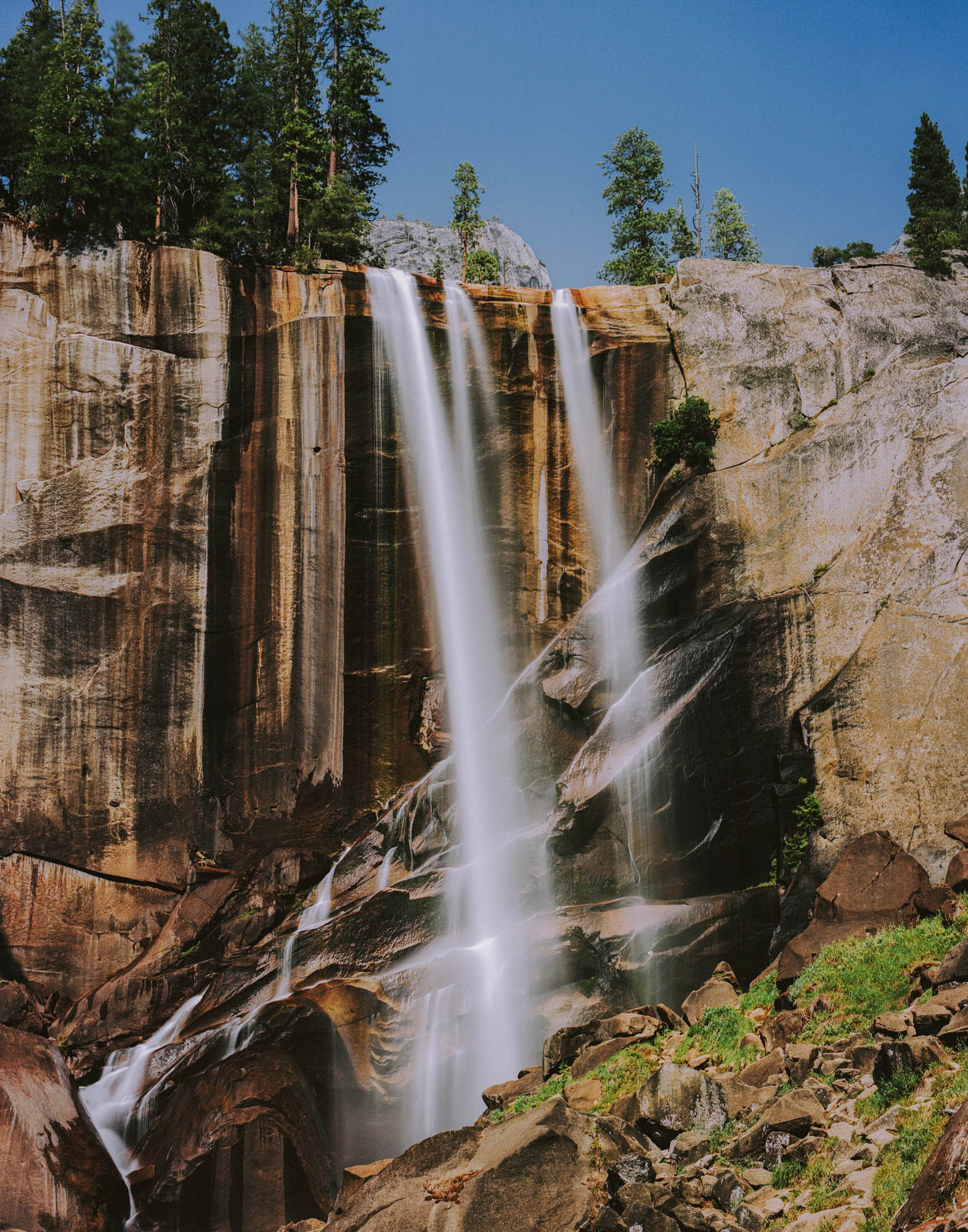

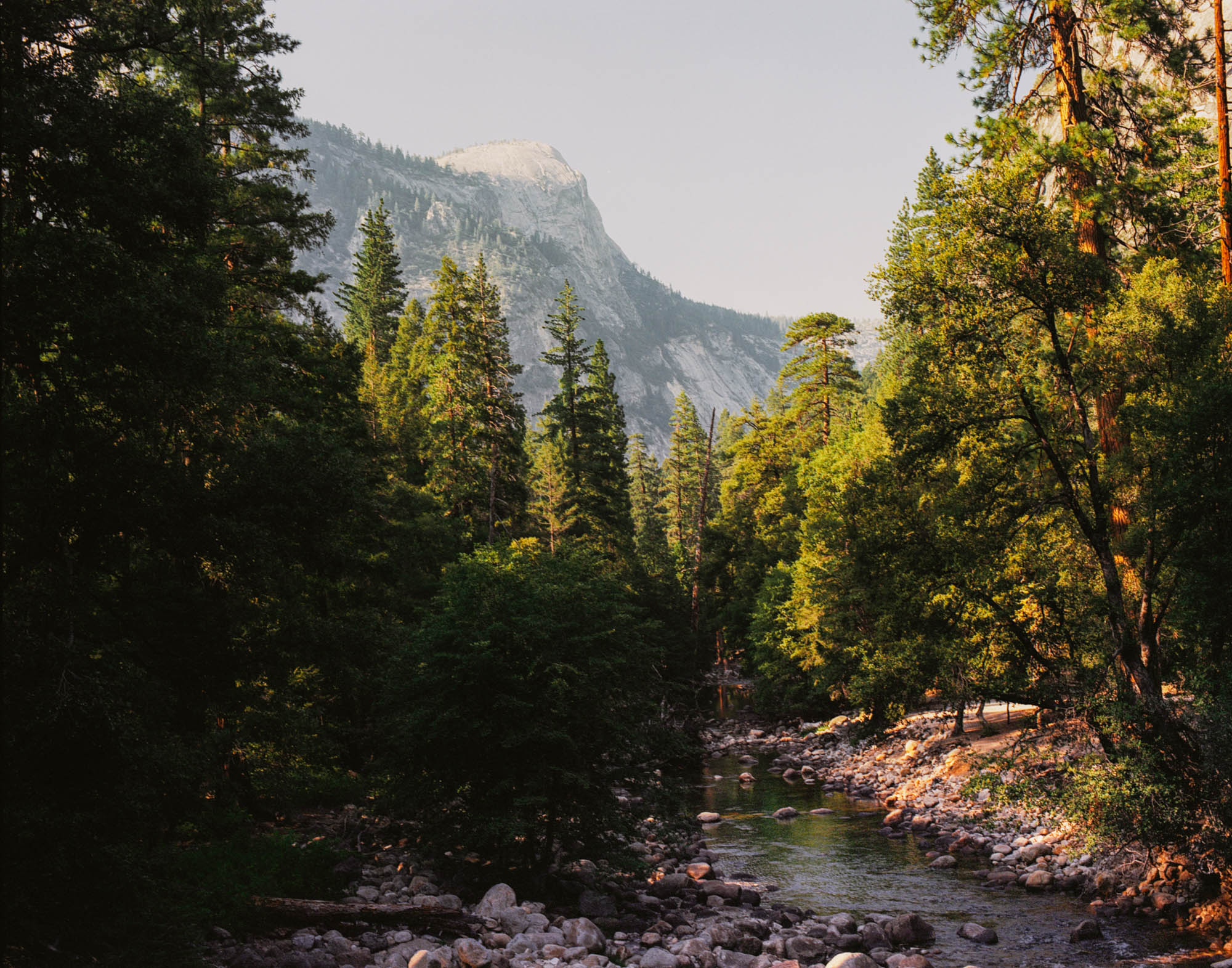



I like to begin the set with the photo of apples fell on the ground beneath an apple tree. The composition is not my best but I like how the apples lead our eyes from the bottom right of the frame to the top left. I like that the apple in the bottom right is out of focus giving a sense of depth in the photo.

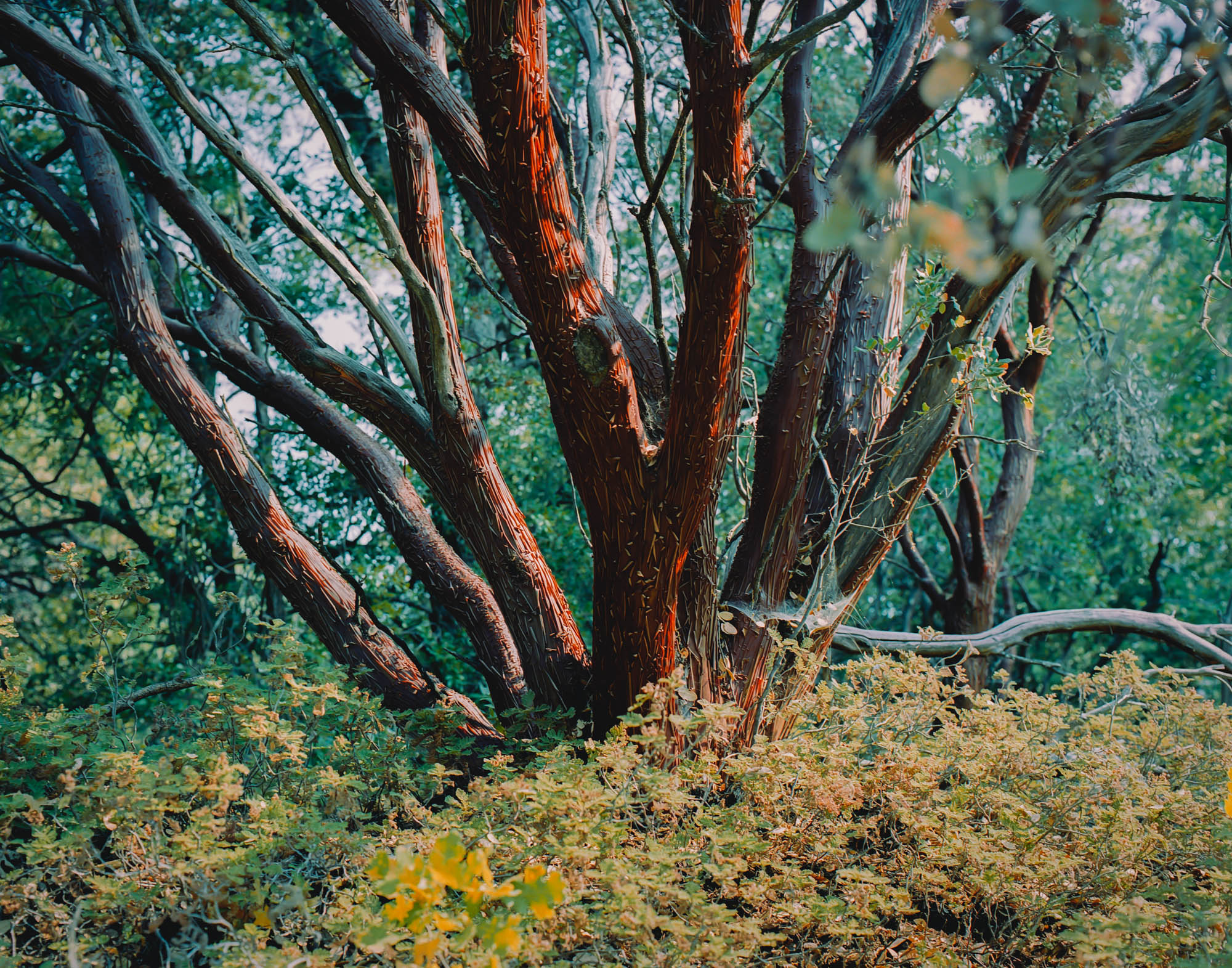
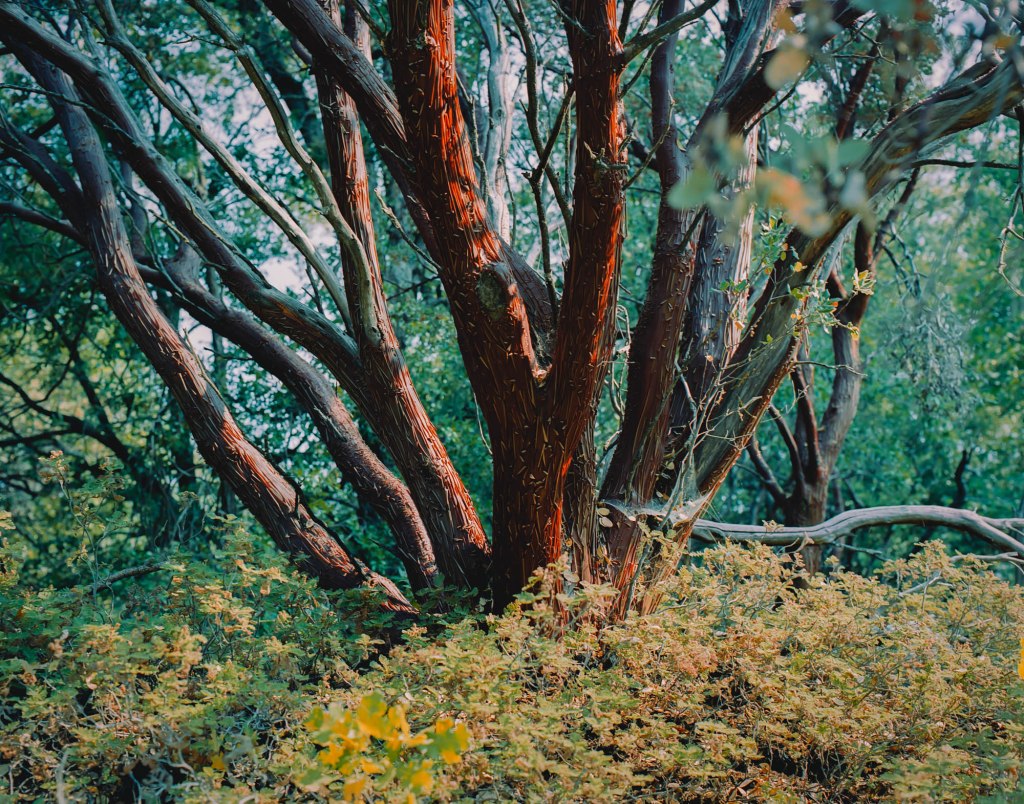
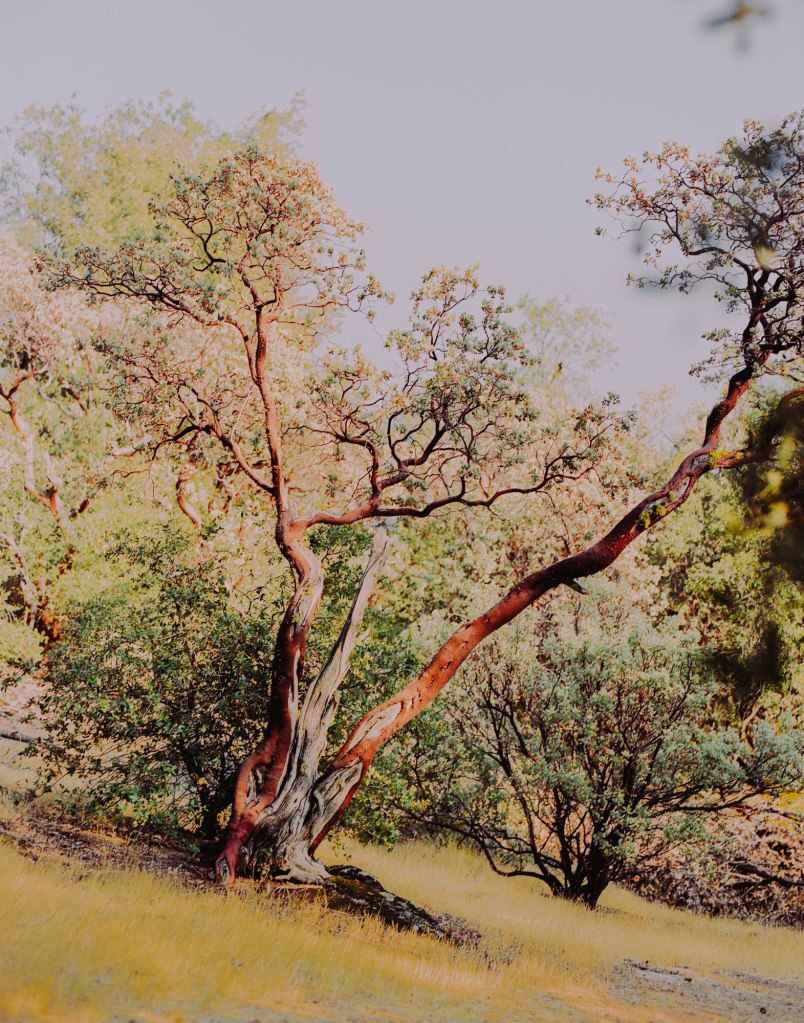
The next three photos are from an afternoon walking around my airbnb house. I was fascinated with the reddish tree trunks that look so vivid in the sun light. I like how the red and green contrast each other in these photos.

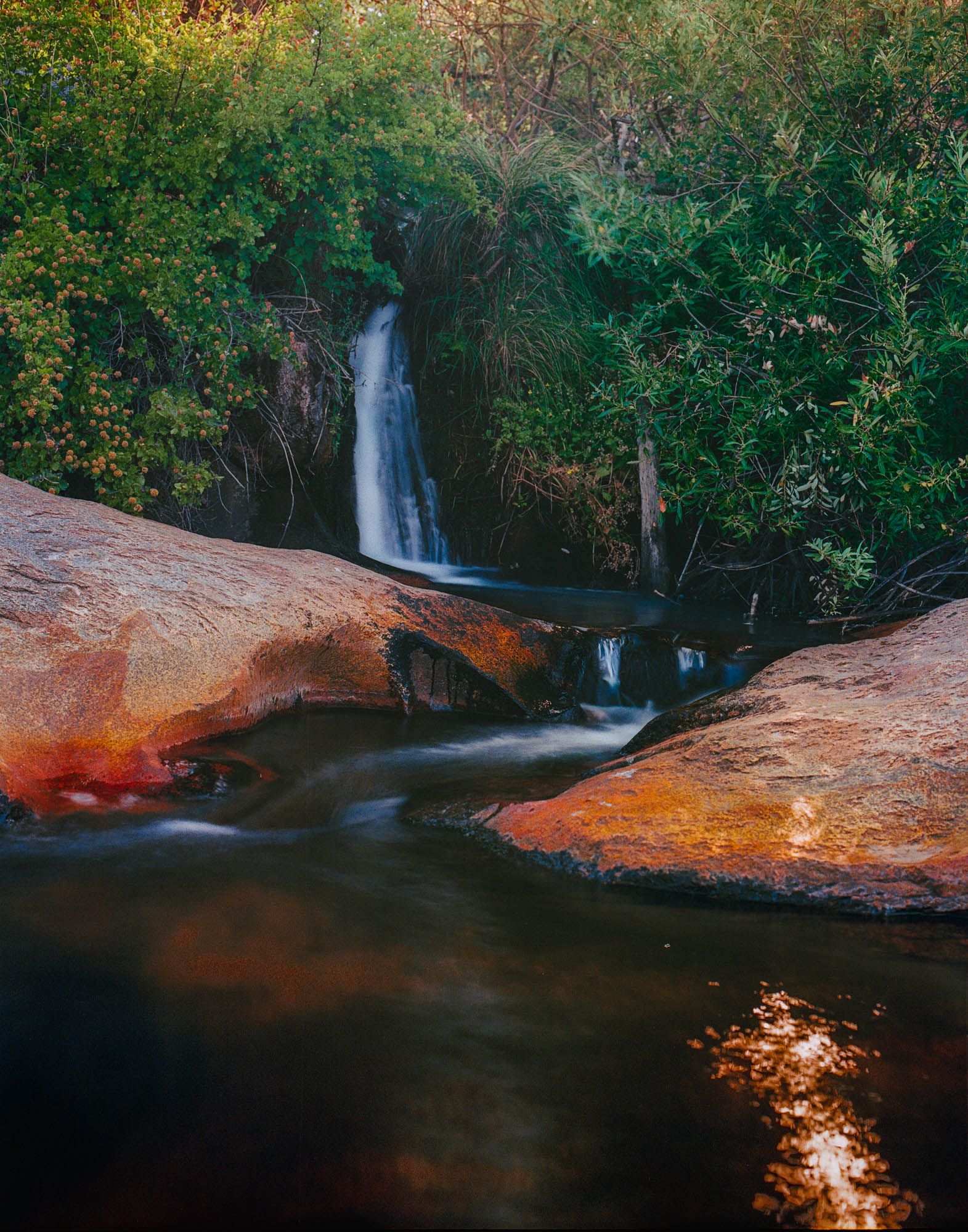
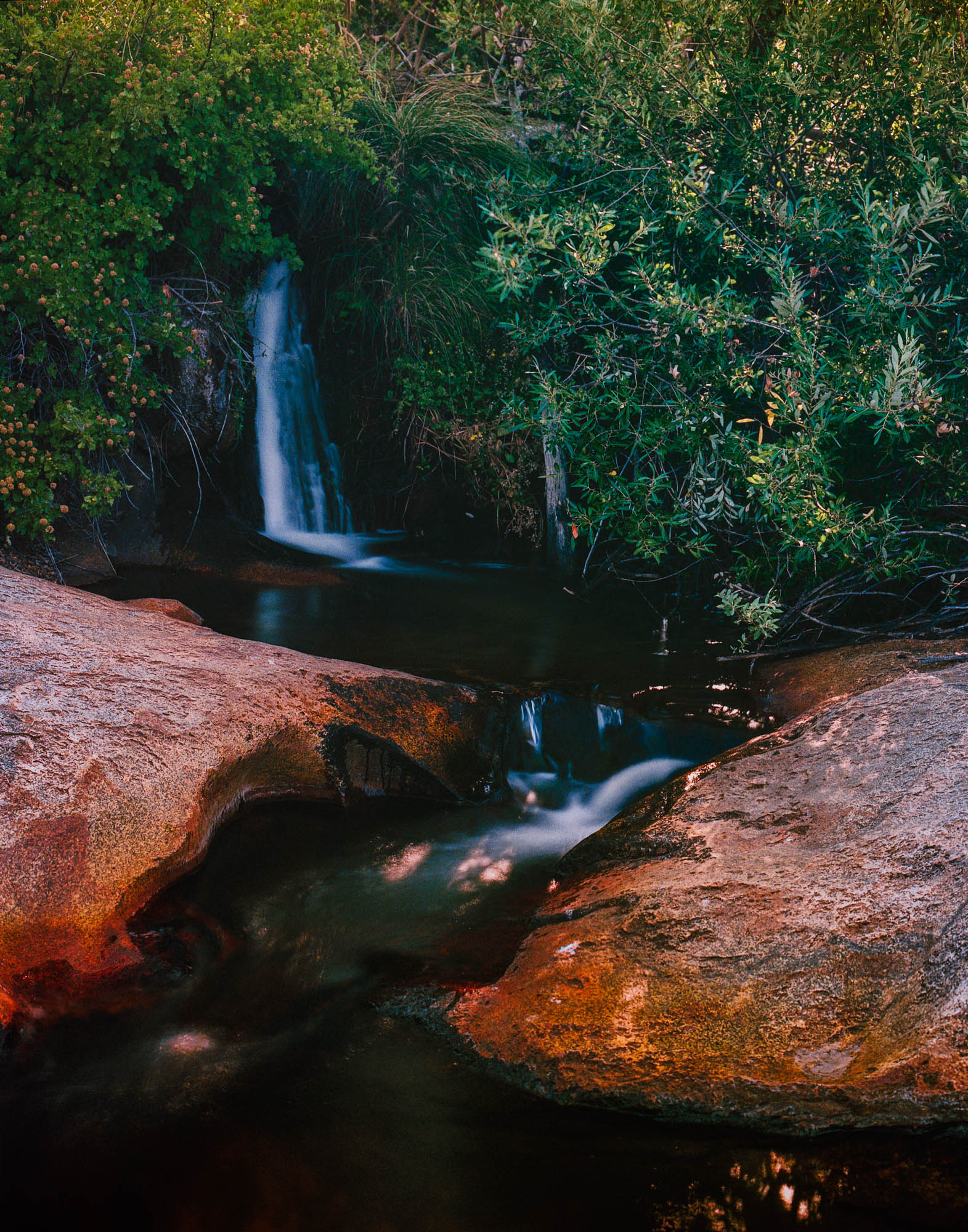
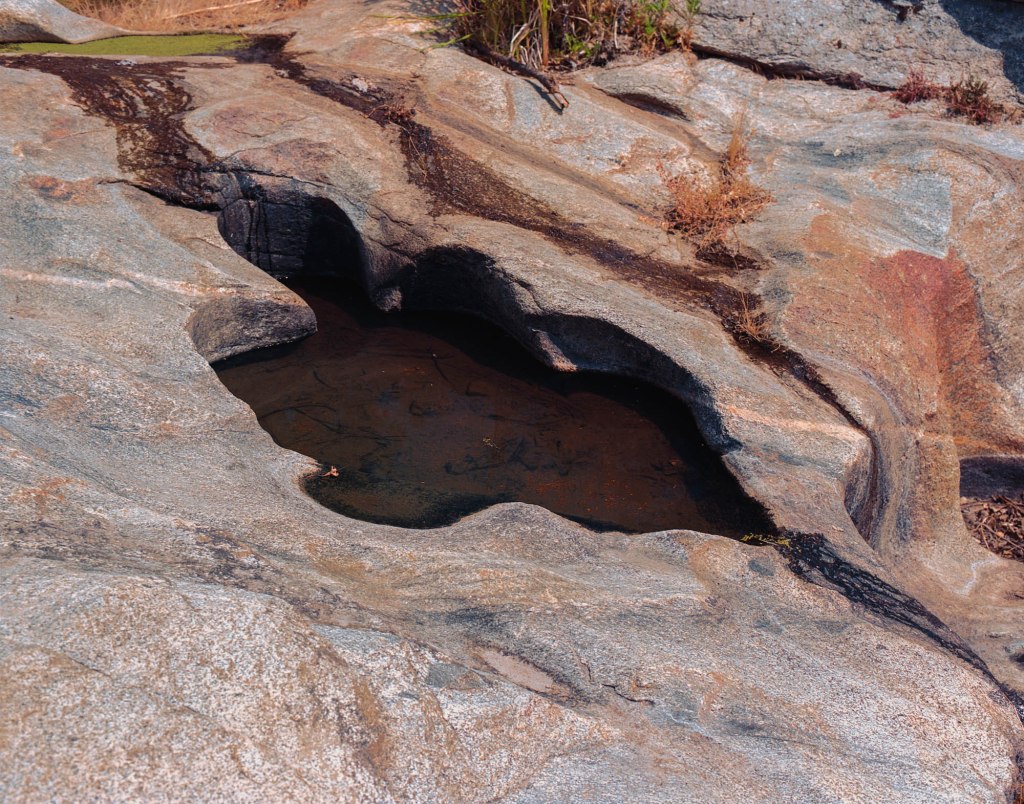
Next, I walked to a small waterfall near my airbnb house in the following morning to scout the waterfall and enjoy my time alone with my camera. The waterfall was nice but there weren’t a lot of water sine it’s summertime so I stepped on rocks that supposed to be under water to look around and go upper the stream.


On my second day in Yosemite, I went inside the National Park and visited some famous views. The first stop was Tunnel View. The view was beautiful but I wish the sky were clearer rather than misty and hazy as in the photos.


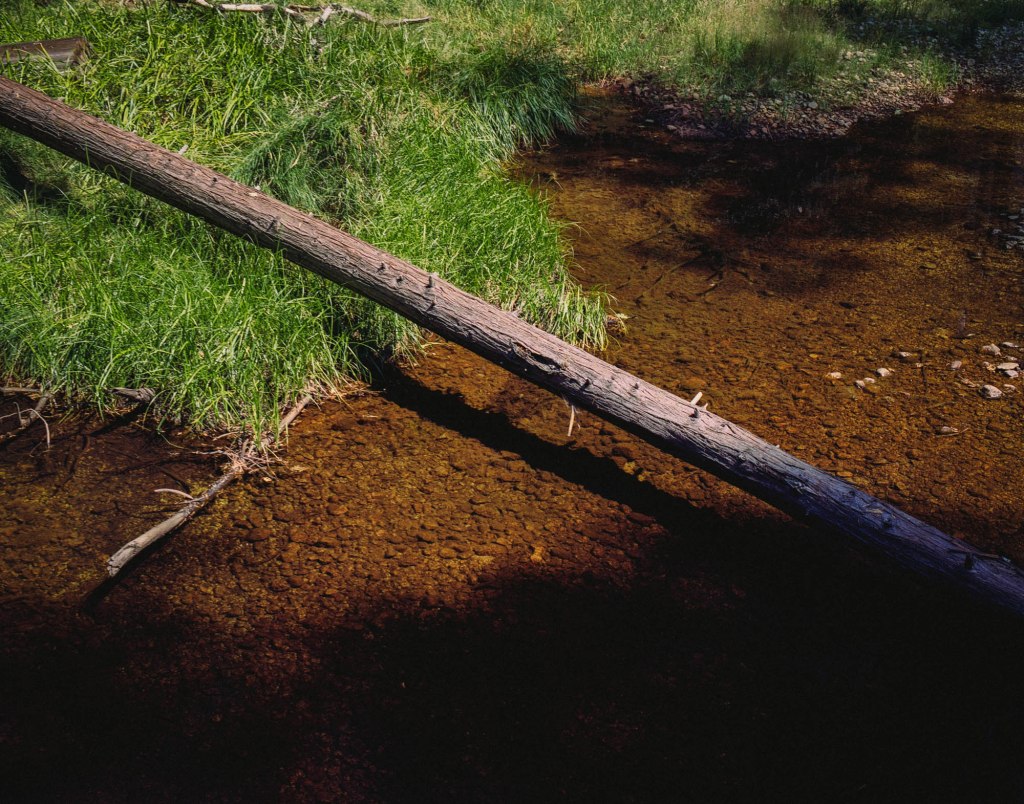


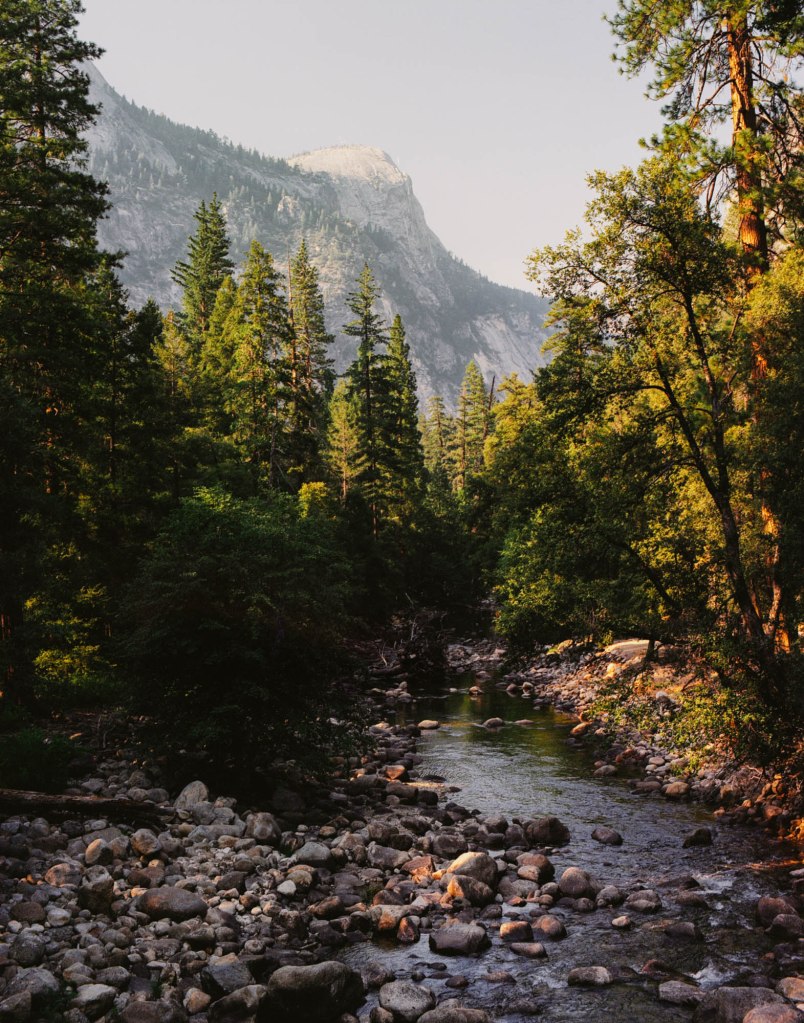
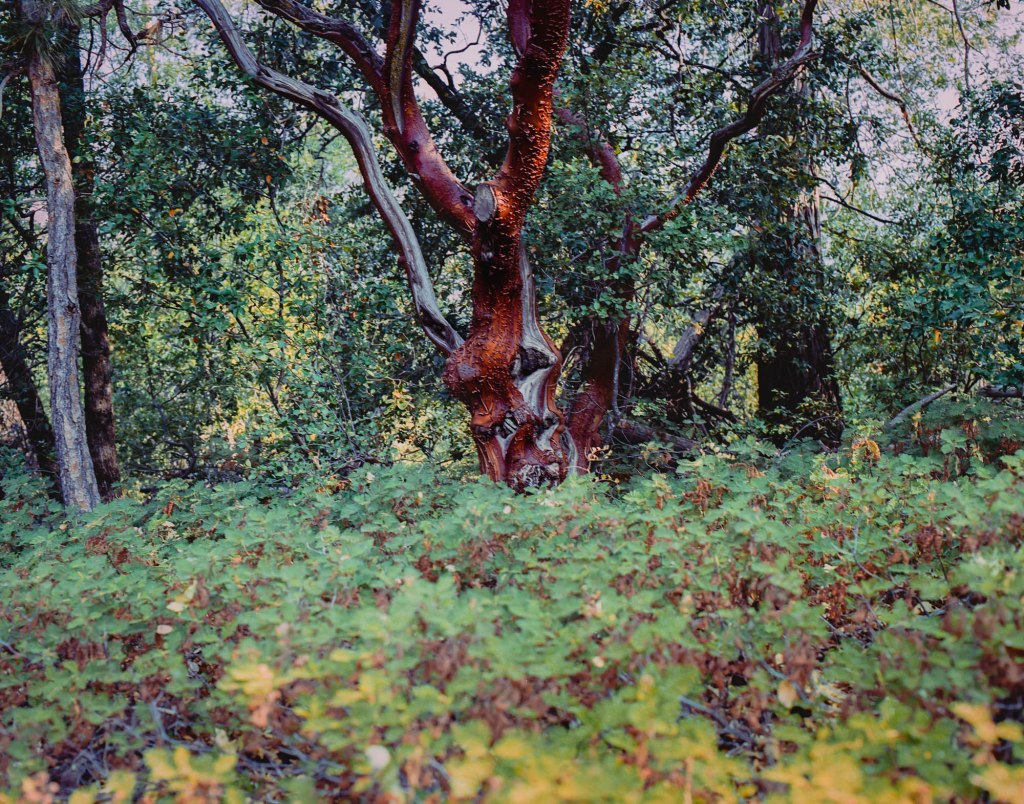
In the afternoon, I walked around the house again for some more discover. Here’re some photos that I like from the walk. I love the tree below because of its interesting gesture. I thought I need a wider lens to capture the whole tree but this frame still balance to me so I’m quite happy with it.

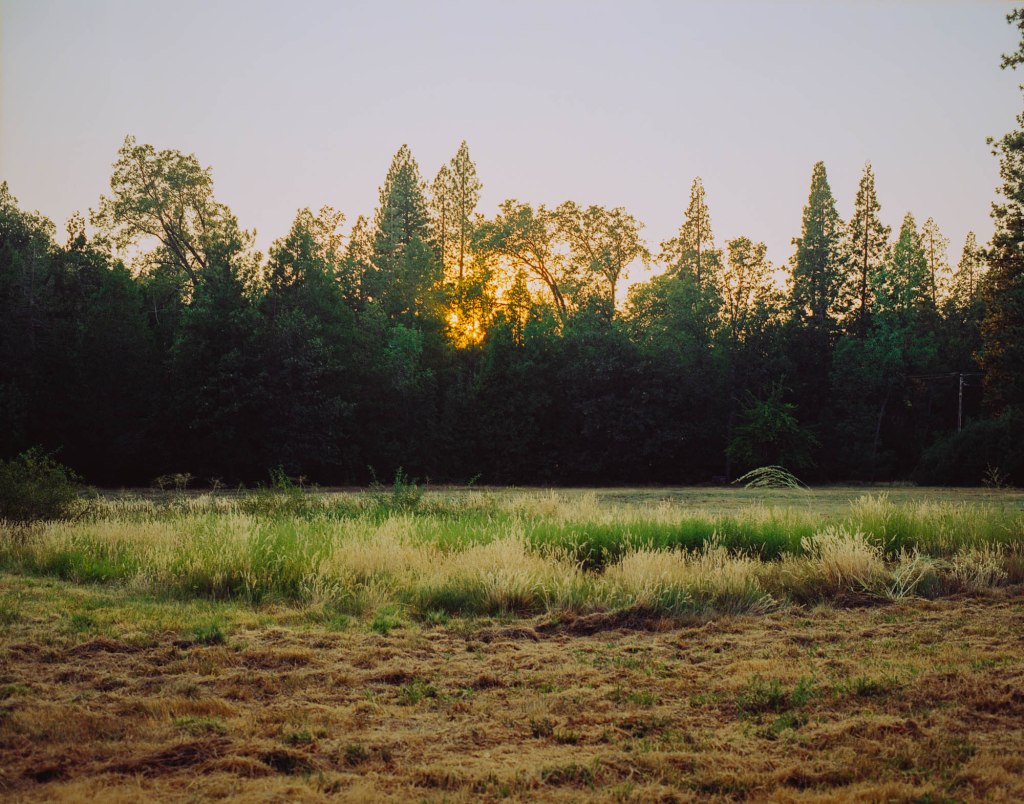
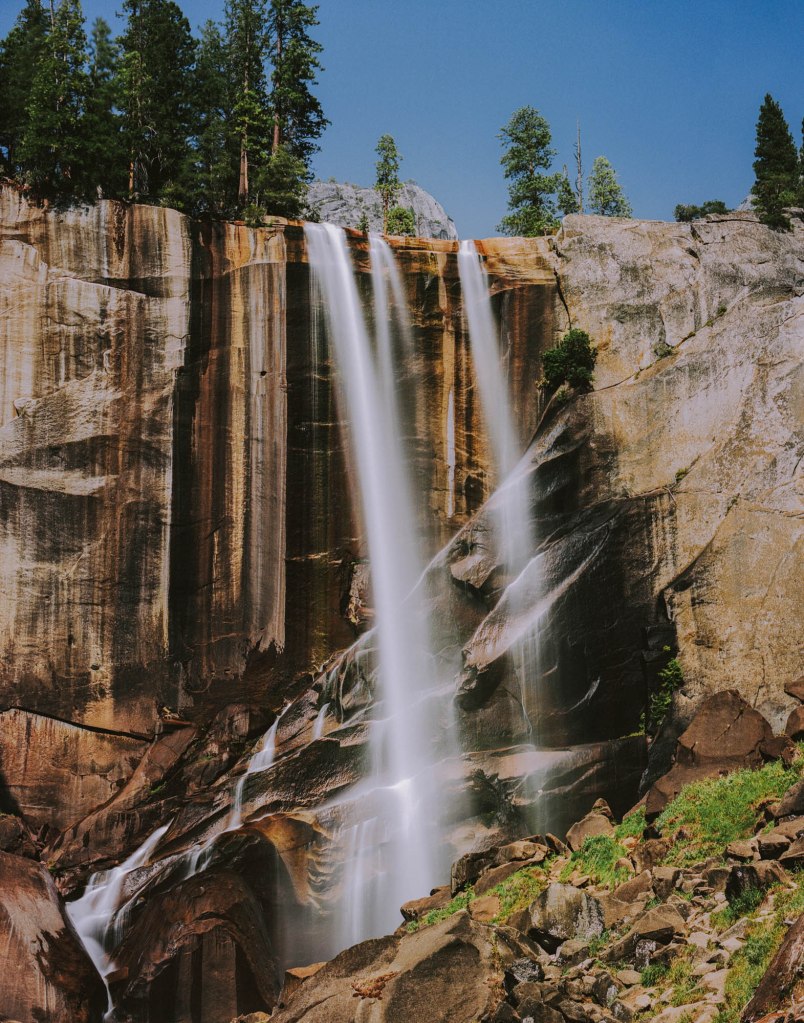
On the following day to Glacier Point I brought my digital camera instead of the Pentax 6×7, I end up didn’t take much photos because of the hazy sky but I still got some photos that I might like. But in the end, I just love the feeling of shooting film. Lastly, I walked to the near by waterfall in the last morning in Yosemite to make some long exposures. Here’re the results.
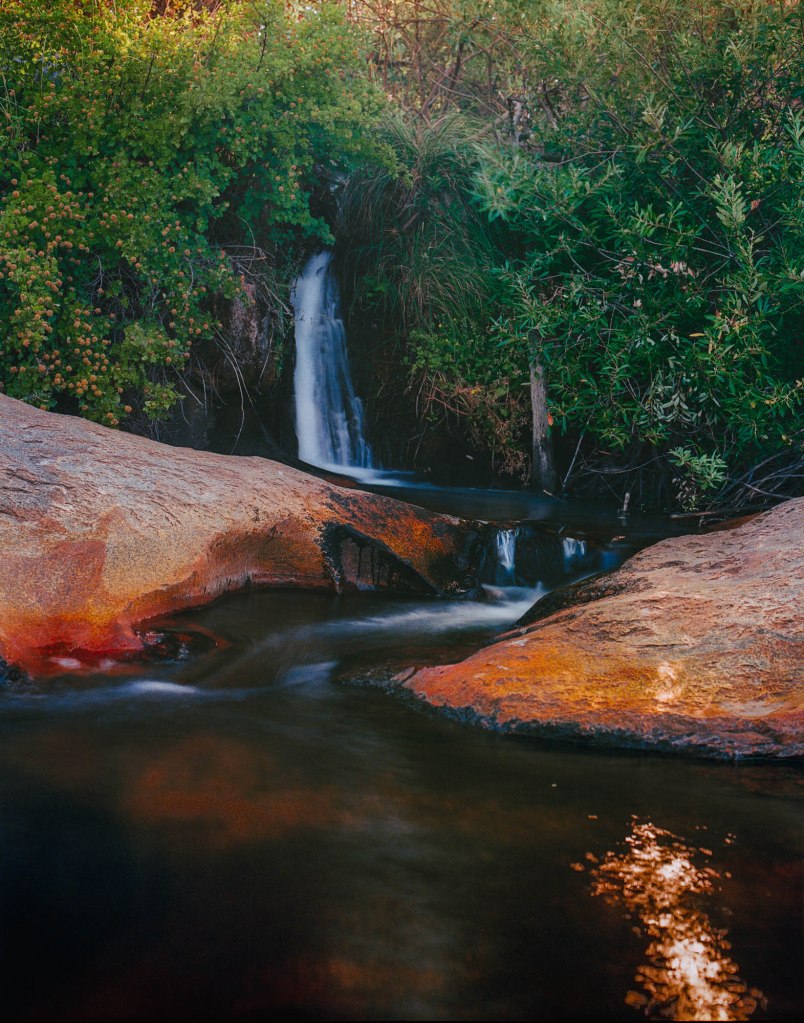

After these shots, I fell into a pond while trying to get over a rock to compose my next shot. My Pentax get wet and stopped working. Although it means I have to send the camera to repairman now but I don’t feel regret or upset at all, that’s my choice, and to me all will be worth it if I got some photos that I’m proud of. So, cheers for a vivid beautiful summer.
suburbs scenes from the Rolleiflex SL66E
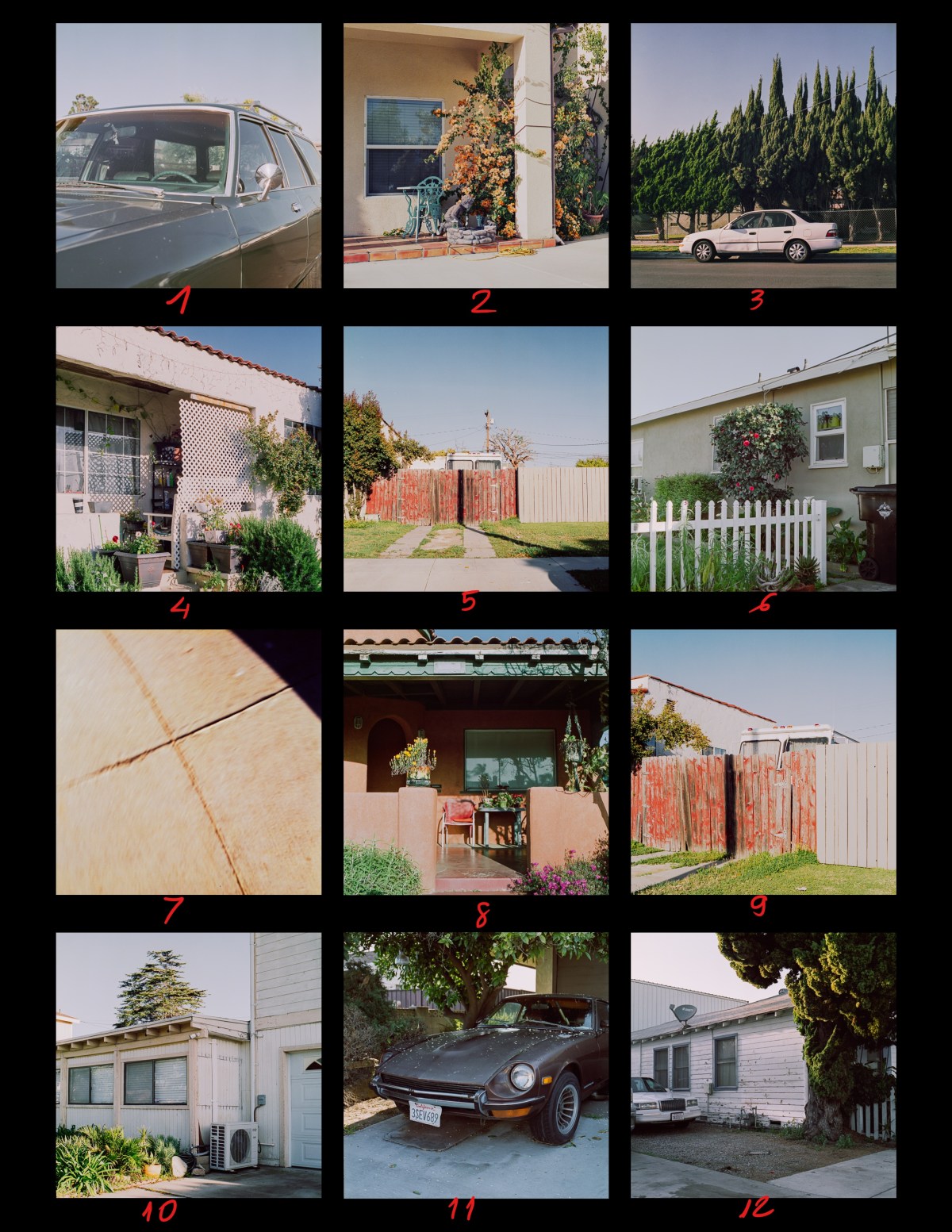
This is the third roll in my photography journey in 6×6 ratio, still getting used to it but I’ve been enjoying the experience a lot. I think it doesn’t matter what aspect ratio I shoot with, just the experience of taking a camera and making some photos is already a sweet thing to me. That’s why I enjoy shooting with the 645, 6×6, 6×7 or panoramic regardless. The downside of this is I don’t spend enough time to master a camera or a ratio and might not get the most out of one aspect ratio. But I think keeping my context consistent throughout different ratios is also an important skill. I’m not an educator or a proper educated photography student so I’m not 100% sure my way of learning in this case is right but I think I made a little progress in my development through this.
In this particular roll, I spent about 2 hours walking in a a suburbs neighborhood in the afternoon. The weather was so nice and the afternoon sunlight was gorgeous. There’re few scenes that I like because of the messiness and mundane feeling about them, something quite inadequate but humanistically poetic. I always love the image of something crooked but beautiful in their own sense. Below is the digital contact sheet of the roll.

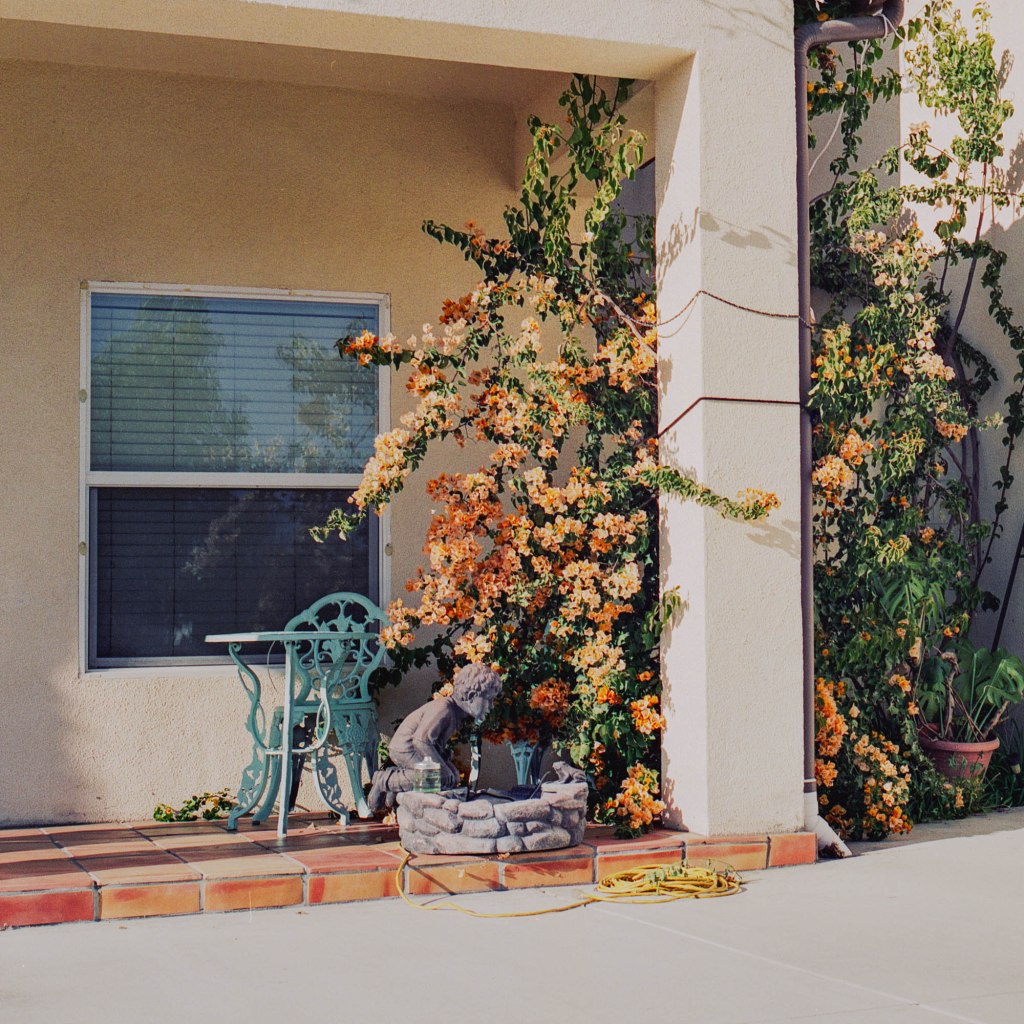
As a whole, I’m very happy with the roll. There’re 6 out of 12 that I like. The first two shots is not that good as I imagined when I took them. The car shot might be good if there weren’t any tree peak out behind it. The second one was appealing to look at in real life but I don’t think I can present a clear context in the photo. The white car shot is pretty much comes out as I imagined, I like the warm sunlight hitting it and the trees behind are kind of tilting to the right and gradually high up, the electric wire is also parallel in the movement of the trees, one bonus is the car’s door is damaged and add a bit context to the photo.

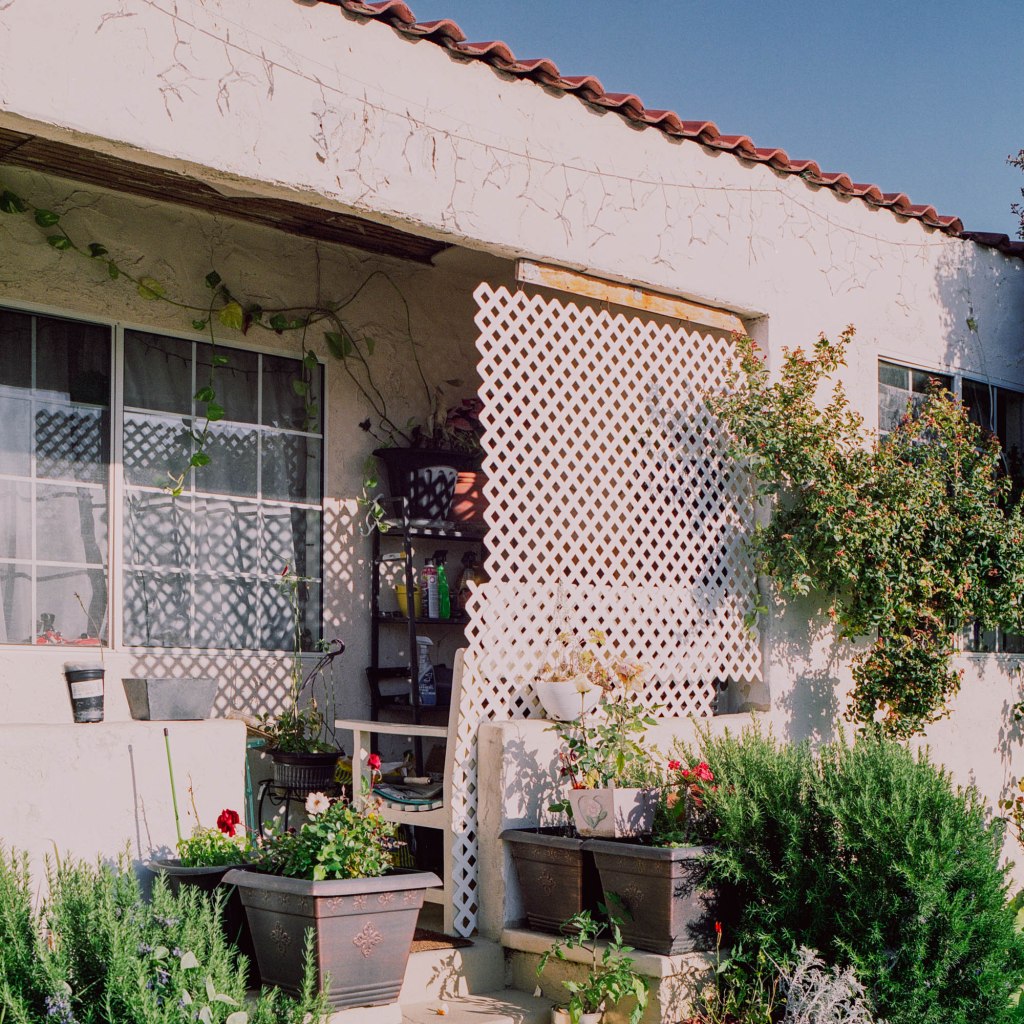
The 4th photo is my favorite scene. As you know, I like the messiness and inadequateness in a complex scene. There’s no human in the photo but you can have a sense of how’s the person’s life and characteristic.
The 6th is compositionally nice but the context is not strong.
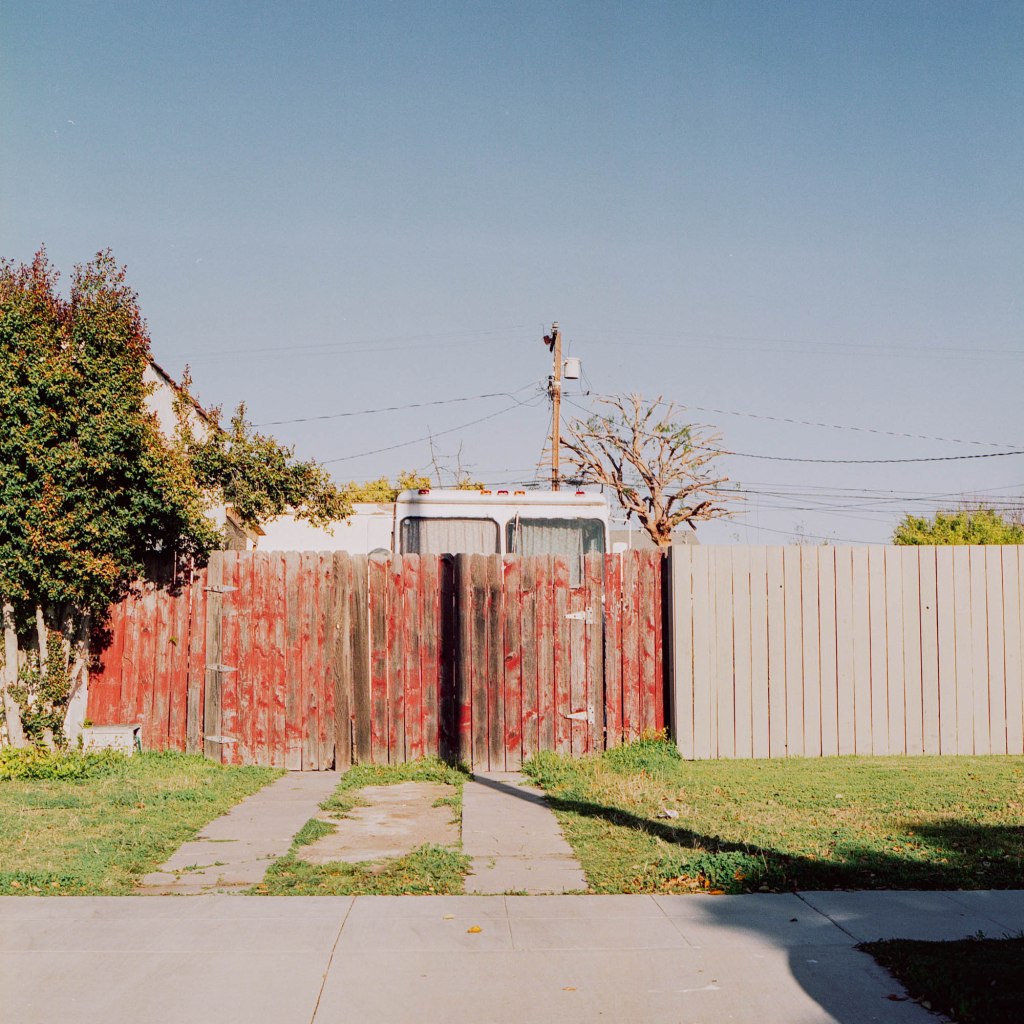
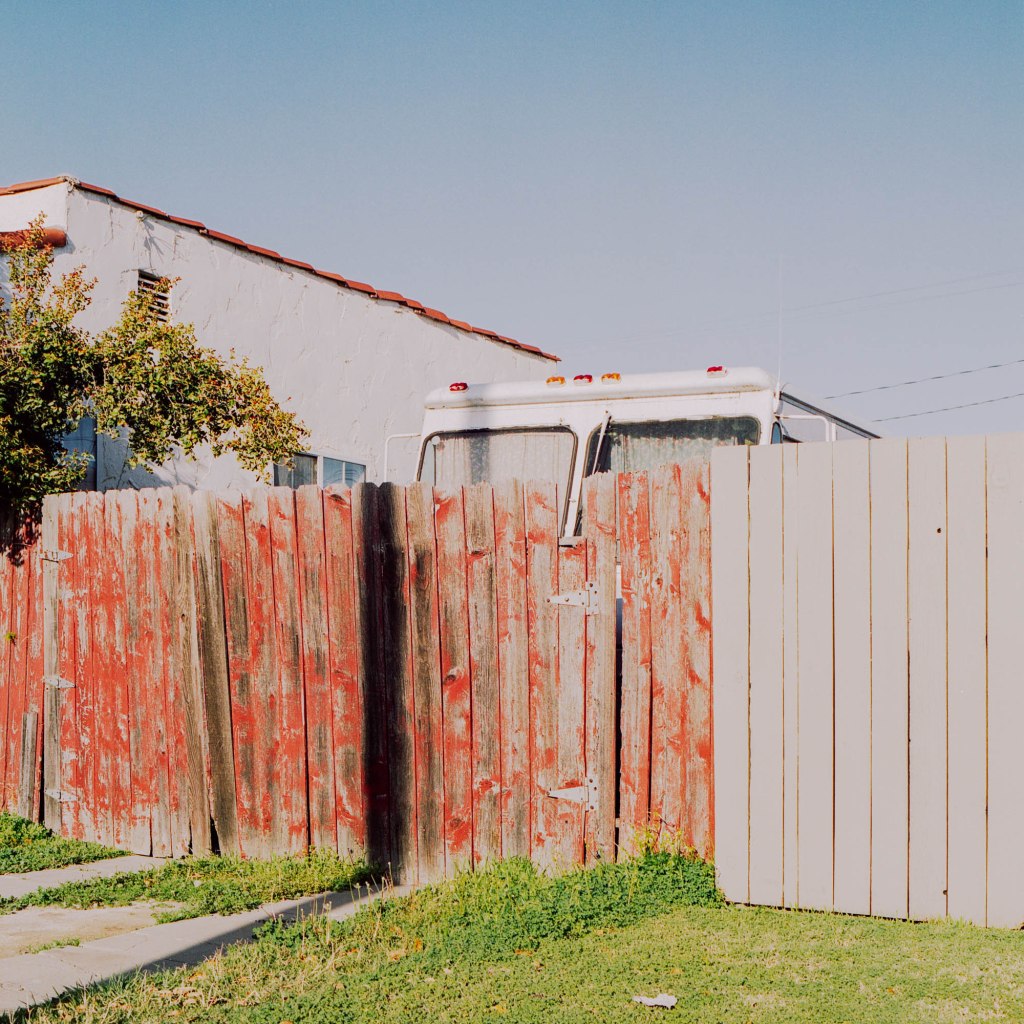
The 5th and 9th are a nice pair. I took the 5th first and wonder if I should take another angle but them I walked around to shoot some few more shots, when I passed the camper van[?] again I decided to shoot at another angle which line up the gap in the fence with the middle front frame of the van. I think the second shot is better than the first one, but overall I like the colors and composition in both of them.
The 7th is a accident shot when my camera bump to my bag, I’m having this kind of accident more frequently.
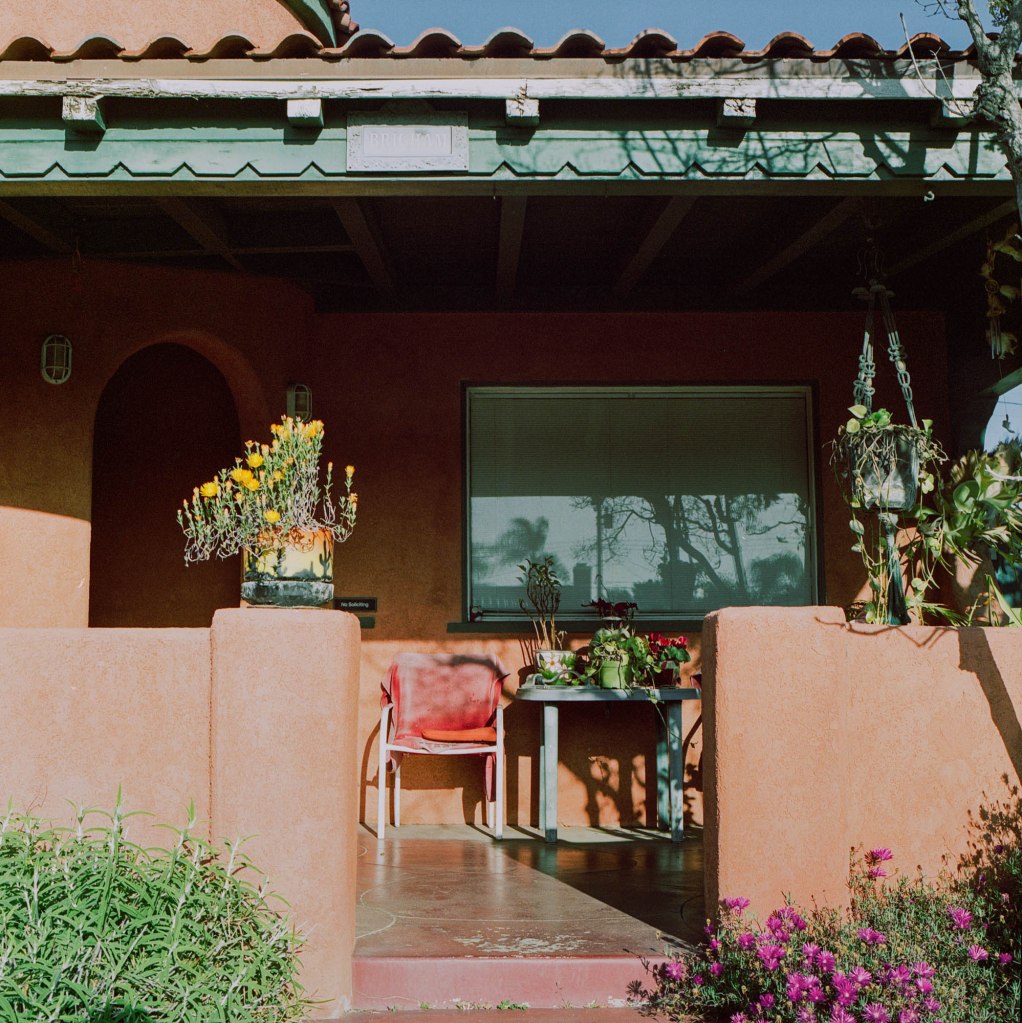
The 8th one is another favorite too. I think it’s have a similar vibe to the 4th one but in a more vivid and opened way. I like how the chair and the table is completely facing forward to the opened doorway[?] and stylobate. I think it tells a bit about the person, it’s must be an out going and straight forward kind of guy.
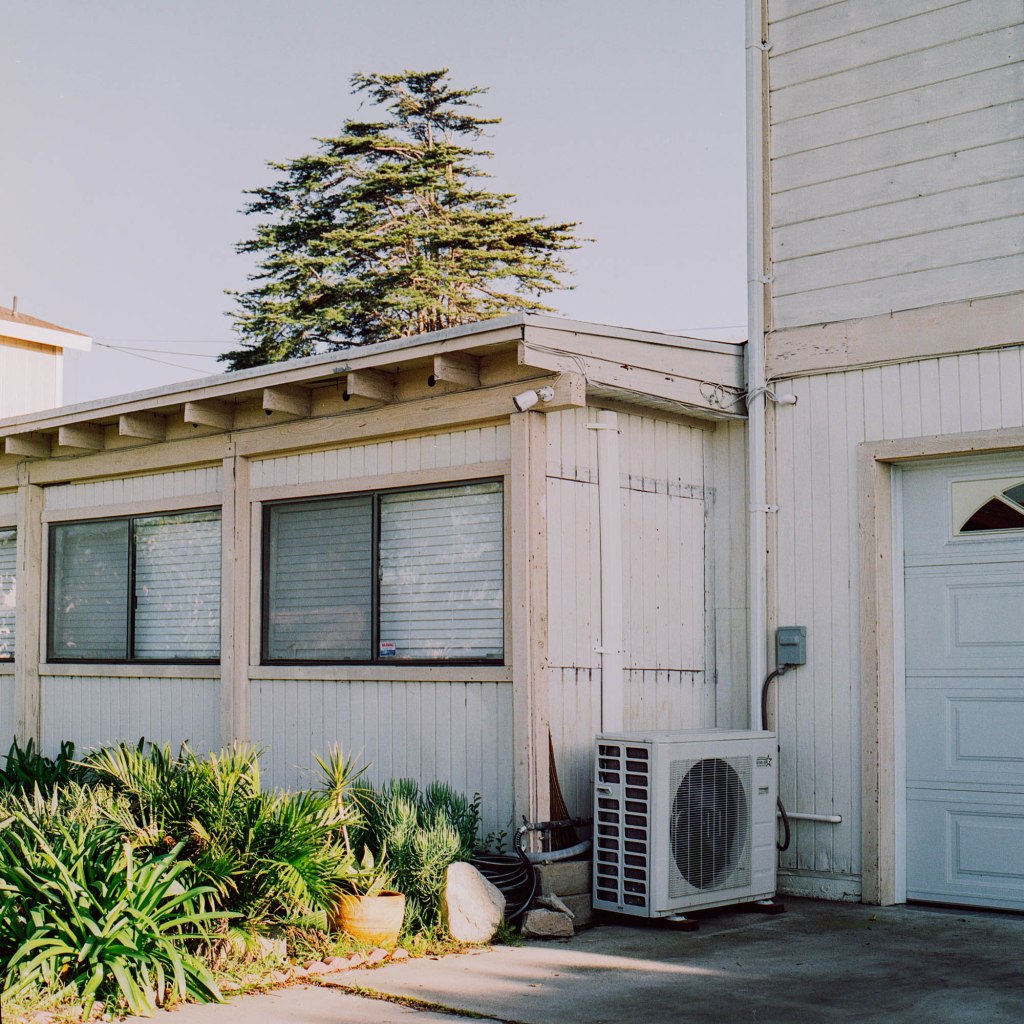
The 10th one I personally like because it reminds me of a street or a neighborhood in District 3, HCMC where I spent a lot of time hang out and buy art supply for school. I like how the air conditioner is completely put out of the building and the lower part of the building is jutting outward from the plane of the garage door, creating a nice little space that fits the air conditioner perfectly. The plants on the ground are bathing in sunlight and shine up is also a nice touch. I love this photo.
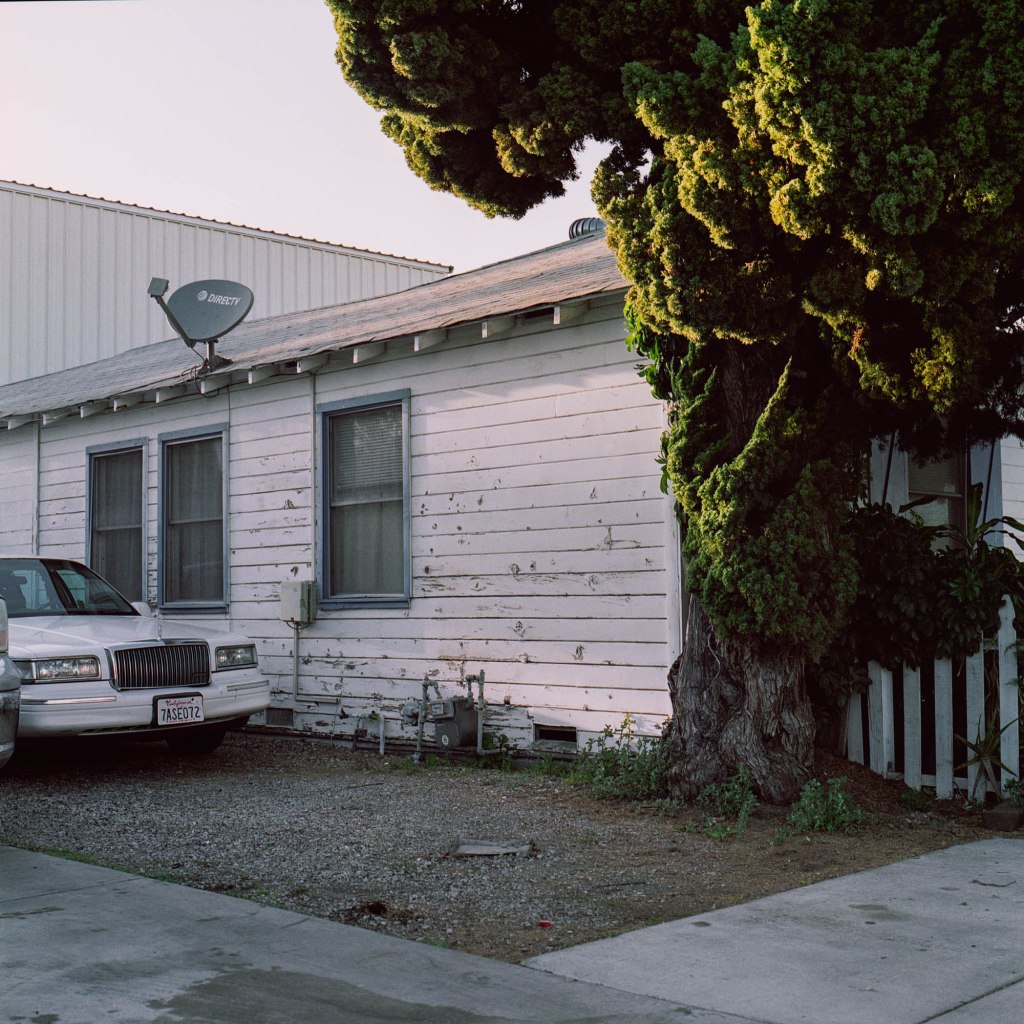
The 11th photo is not so special. The car has a nice shape but I couldn’t get a nice angle for it. However I like the fact that there’re a lot of tiny white petals fall all over the front hood of the car.

The last photo from the roll is nice but I think the context again is not strong enough. I like the shape of the tree and how the sunlight hitting it create beautiful outlines. The light hitting the wall also look gorgeous. The car on the left side is cool but I feel like it’s stuffed in the frame because of the front side of it is just barely fit completely in the frame, I don’t like that crop very much.
That’s all for my third roll of 6×6. Still want to shoot more with this aspect ratio. Hope you like it. More photos next time!
shooting square

I got myself a twin lens reflect camera, the Minolta Autocord CdS, to start shooting square photos. I’ve been curious about square format since I learned about the famous Hasselblad V series and the amazing experience of shooting from the waist level. Shooting from the waist level is truly enjoyable. The feeling of seeing the photos from the ground glass is so satisfied.
One note I may add to using the waist level finder is don’t stuff your eye into the magnifier glass for “fine focus” (as you see so many Youtube photographers do), but rather put the camera down at your waist level and flip out the magnifier glass, at this distance, the circle “focusing spot” (in the middle of your ground glass) will fill up the entire magnifier glass, makes it super easy and fast to fine focus. Then, you can flip down the magnifier glass and re-compose, this way is much faster than you stuff your eye in the magnifier glass and bend your back up and down for the shots. Thanks to Rick Olesen for this focus tip.
Rick Oleson is a man who sale focusing screens for waist level camera and he’s been using waist level for about 30 years now. His tip is super helpful to me since I was stuff my eye to the magnifier glass as I saw others did.

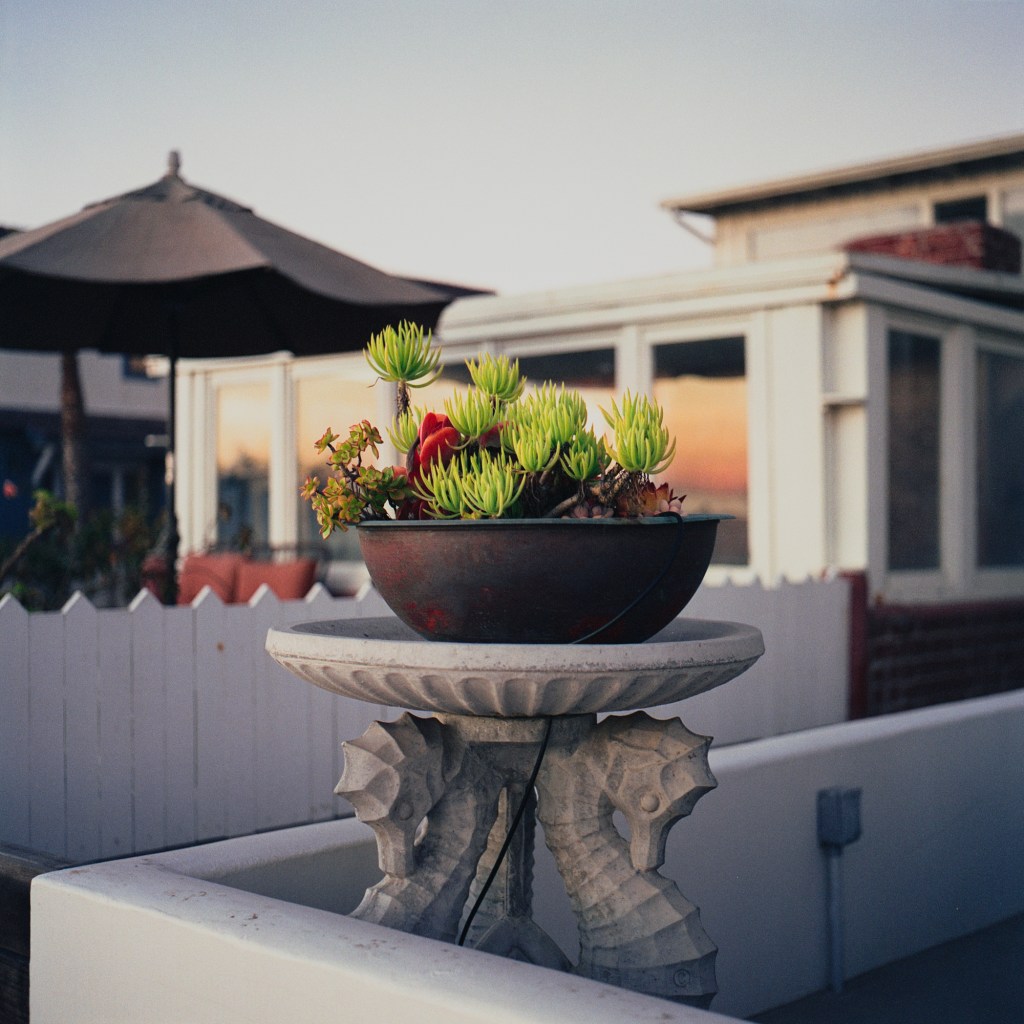
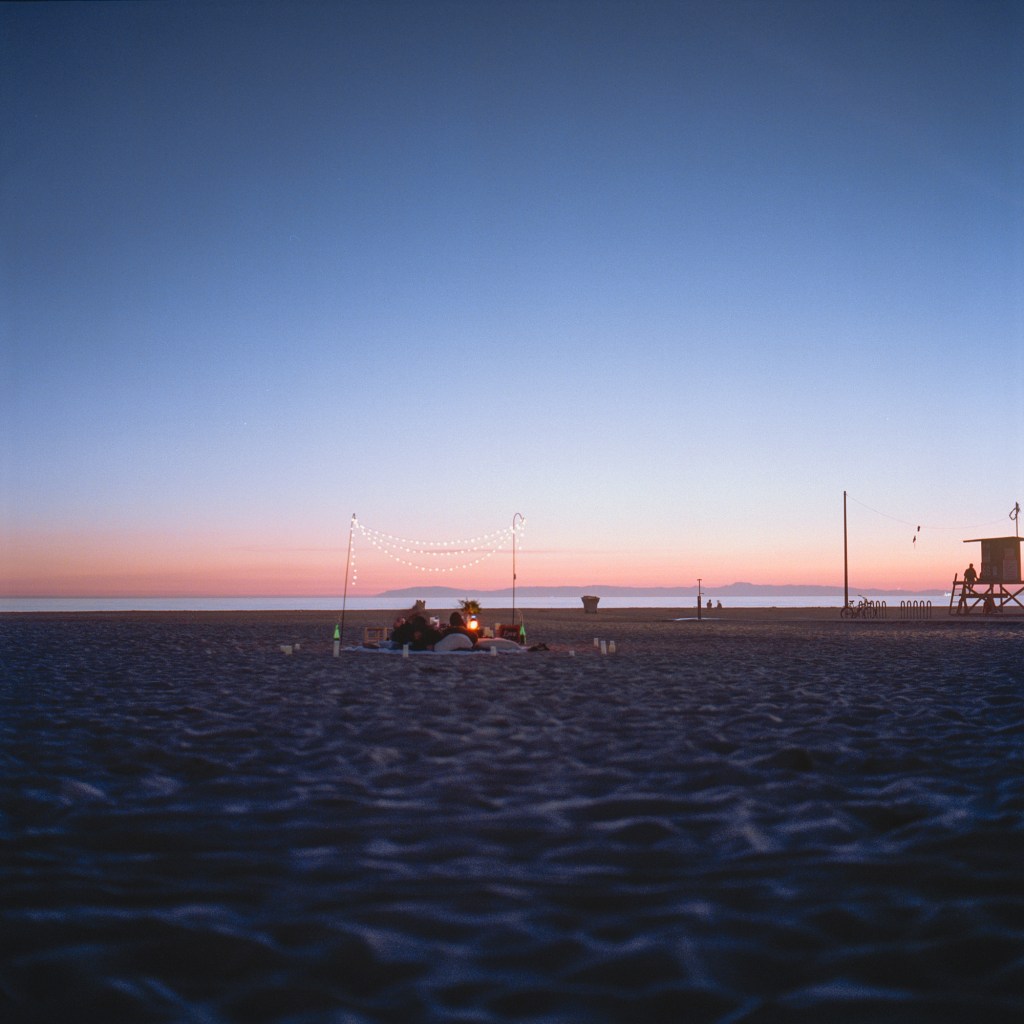
Next is some shots from my newest camera, the Rolleiflex SL66E, my dream camera and the most expensive one I have. So far I really enjoy using the camera. I’m planning to test out the tilt feature soon.

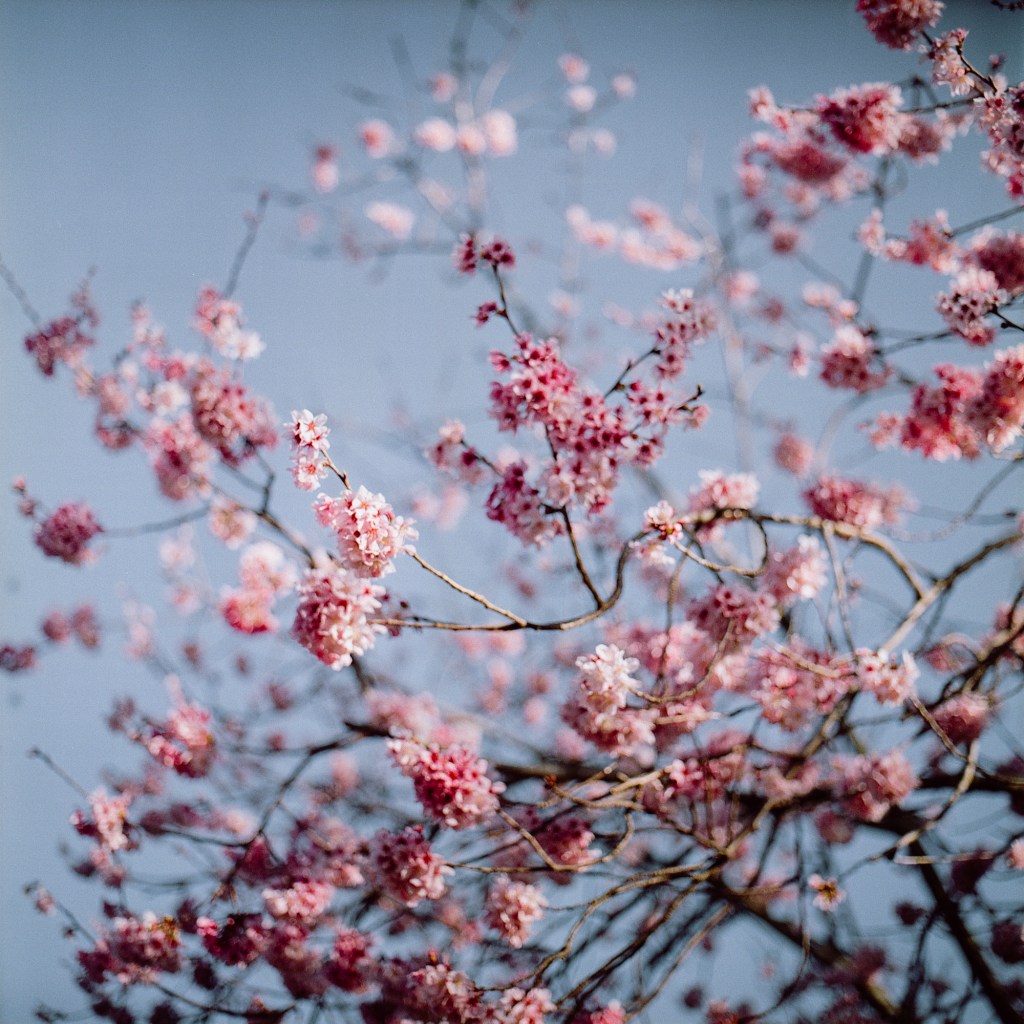


The last photo is my favorite from the roll. I like how similar the 2 trunks divide into 2 branches and their “gesture” creates a nice composition. The thing I wish I could do better is make sure the trunk behind is in focus entirely, I should shoot at f/5.6 or something like that to achieve that desire depth of field. But it’s hard to know exactly how much depth of field in these cases. Hope I will learn more about controlling depth of field for the next time.
Thank you for reading to the end. More photos next time!
second panoramic roll from Pentax 6×7

My second 35mm film roll shooting with the Pentax 6×7 is Portra 160. Since I have the intention to keep the sprocket holes, I tried my best to keep my camera straight and look carefully at the frame lines to make sure everything is line up nicely, this really helps me save a lots of time in post processing. I got 15 shots out of 1 roll and open the back while I didn’t wind all the film into the canister so I caused light leak on my 2 last frames.
I’m not sure keeping the sprocket holes is a nice touch or just a “cheesy film photographer” aesthetic but it looks cool. Let me know what you think.
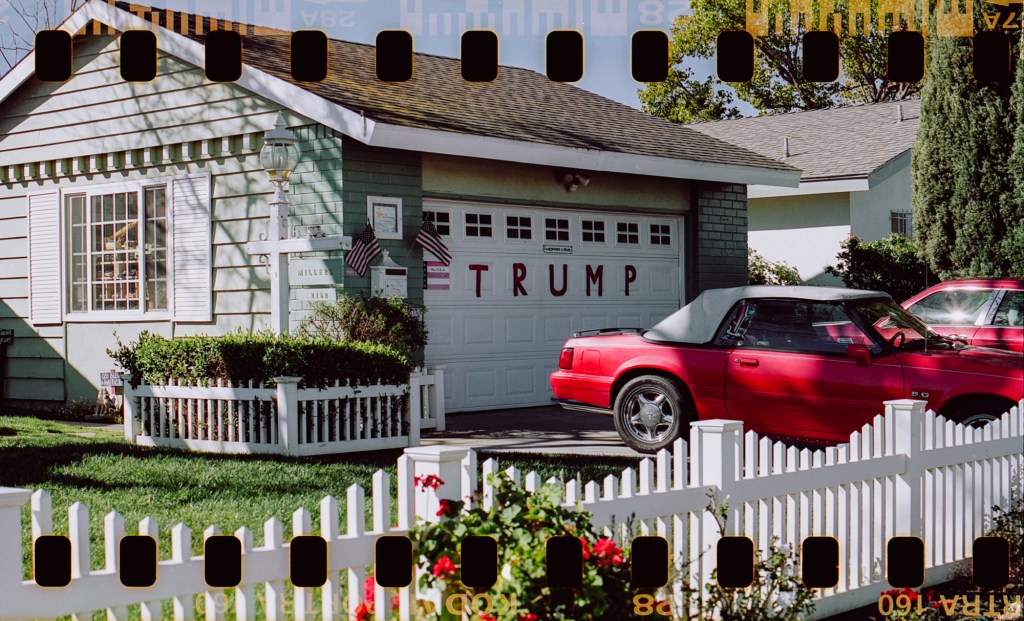

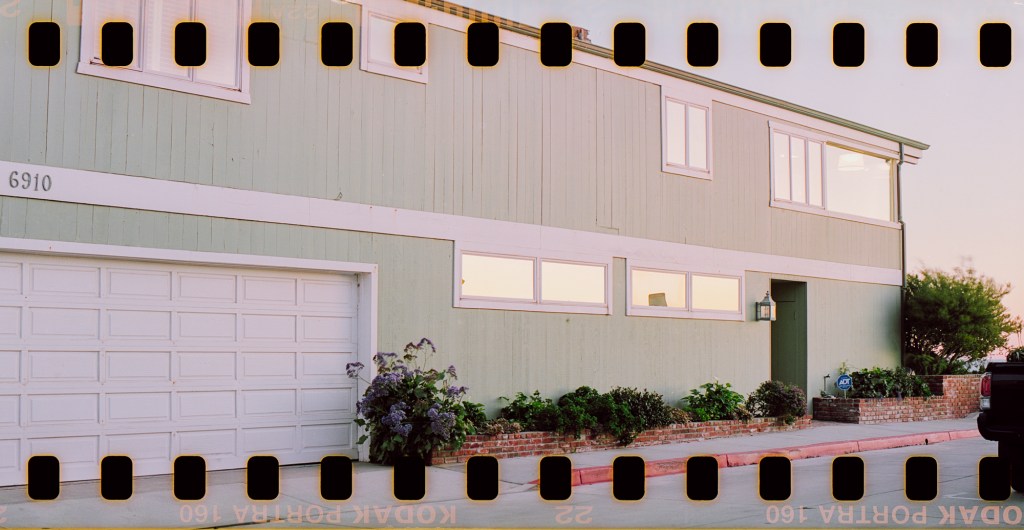

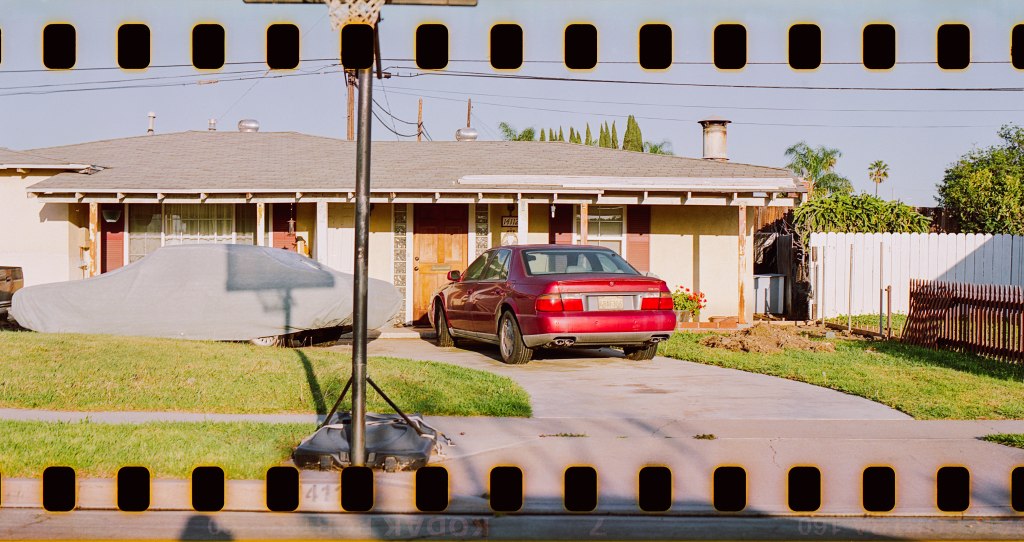
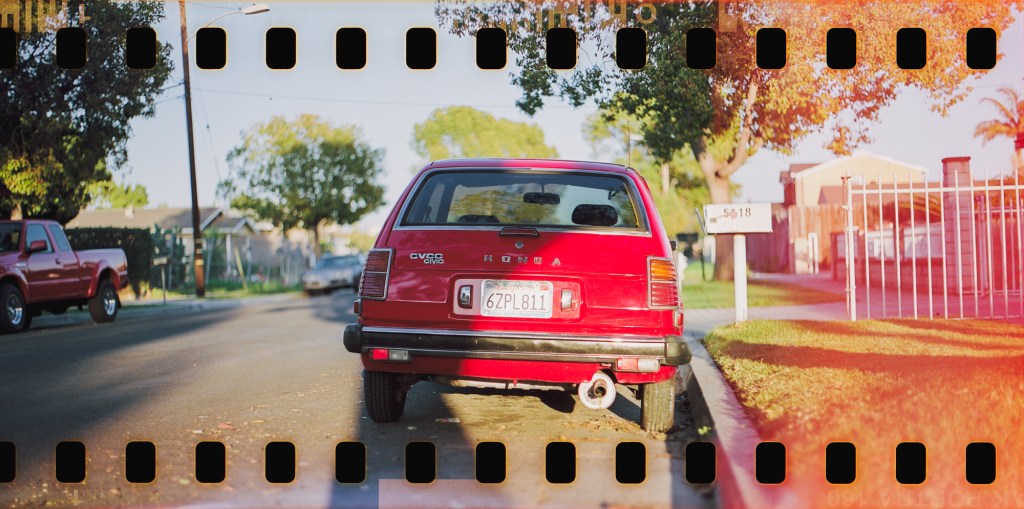
That’s all I’m happy with in this roll. Thank you for going to the end. More photos next time.
shooting panoramic photos on Pentax 6×7

Panoramic photos weren’t interesting to me from the beginning but since Nick Carver shows how wonderful panoramic photos can be, and other Youtubers’ talked about the Xpan and panoramic photos, I slowly get curious of this format. After awhile, I think I enjoy looking at panoramic photos because of the wide scenes and so much elements we can include in one frame. The feeling of looking at a photo from left to right slowly to appreciate the details and how the elements interact with each other in the shot is very enjoyable to me. So I tried panoramic photos for the first time, with my Pentax 6×7.
In other methods I saw on Youtube, most people use the adapter for the 35mm film canister and load the film into the camera with an extension paper at the beginning of the film roll so they don’t waste the film while winding the camera for the first shot. The down side of this method is you have to unload the film in the dark when you finish the roll, because you cannot rewind the film back into the canister when you finish so you have to go into a dark room or put your camera in a dark bag to take the film out of the film back and rewind it into the canister. This will limit your shooting experience in the field, if you can’t have a access to a dark room or dark bag, you cannot take the film out and load the new roll in. So I came up with this method, including 2 film canisters/cassettes, one is your brand new canister and one to take the film in, this one acts like the pick up spoon in normal scenario, but it can protect your film from the light.
First, I made 2 pairs of 35mm film cannister adapters from old empty 120 film spoons. You can buy them dirt cheap online but on the day I wasn’t be patient enough to wait for the delivery so I made my own. It’s not beautiful at all but it works well. If you do it yourself like I did, one thing you should make sure is checking the length of the adapters carefully, so when you put it on the 35mm film canister, it will have the same height as a regular 120 film spoon. If it’s too high, it won’t fit in your film back, if it’s too short, it won’t stay straight and neat in your film back, this may cause damage to your film back.
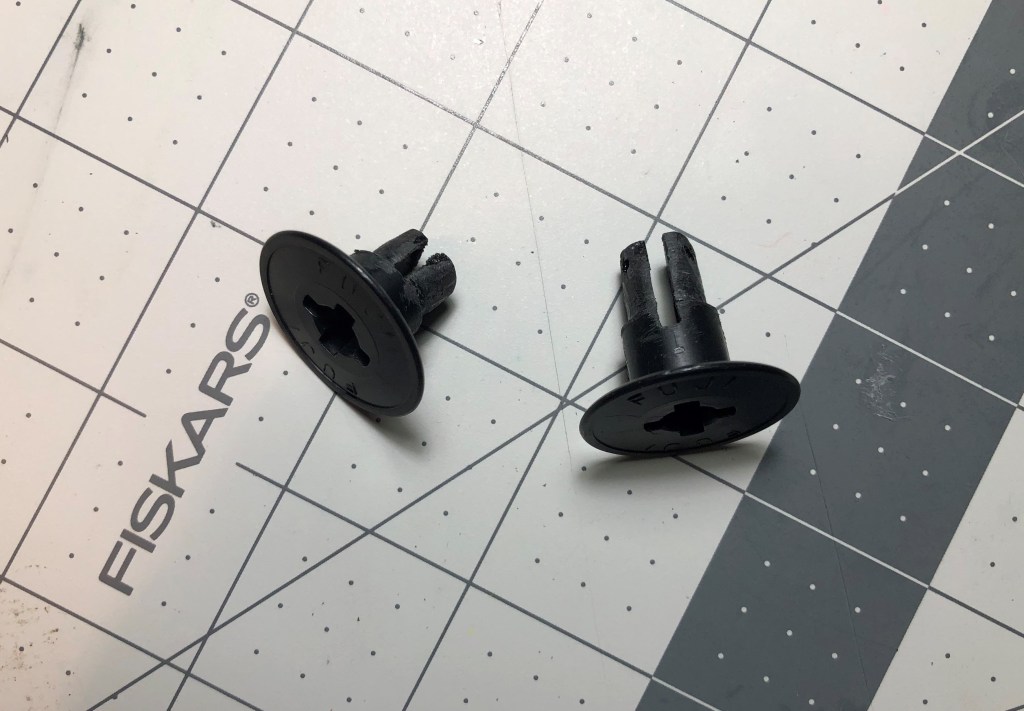
One pair of adapter 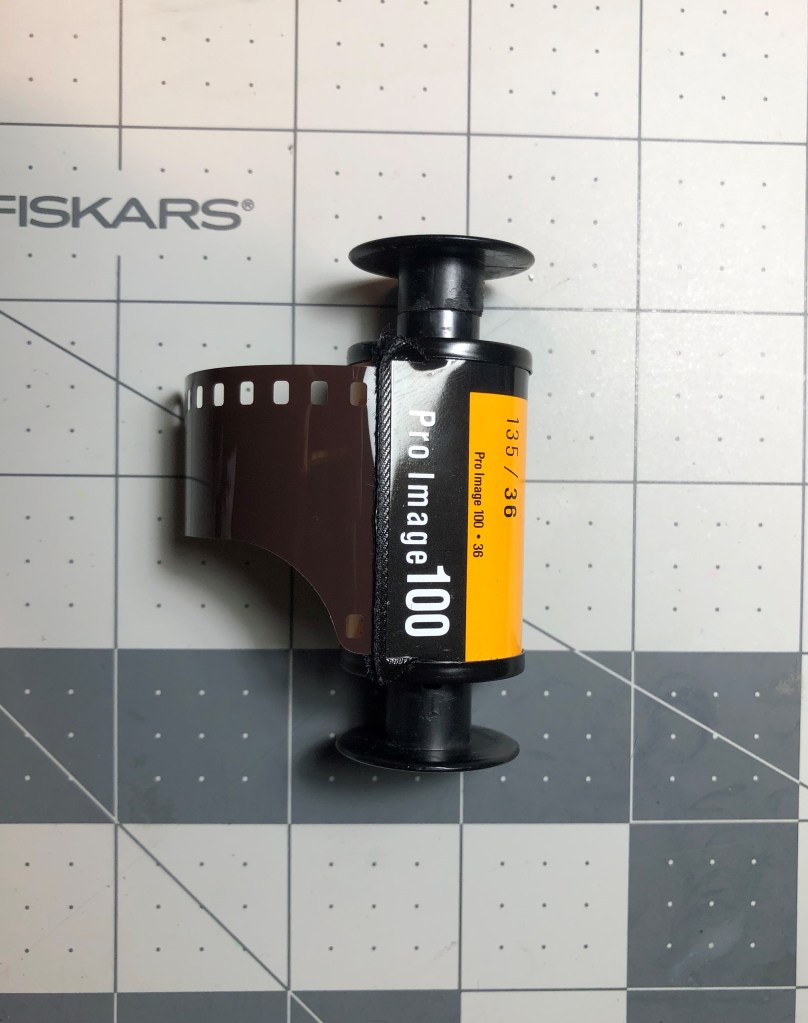

Left to right: regular 120 film spoon, 35mm empty cannister and 35mm new film cannister. Make sure they have the same height.
So, how to prepare your pick up canister? We’re going to step 2.
Step 2: Made the pick up canister/cassette from a old empty film canister/cassette, which still has a short amount of film left so you can tape a piece of paper on the actual film left. This piece of paper I cut from a backing paper of a 120 film roll, measured the wide is 35mm (same as the wide of the actual 35mm film) and the length is 18 cm. I taped one end of the paper strip to the film left on the old cannister and then taped the film lead from the new film roll to the other side of the paper strip, as photos below (step 2b).

Step 2a: Tape the paper strip to the piece of film left inside the empty cassette 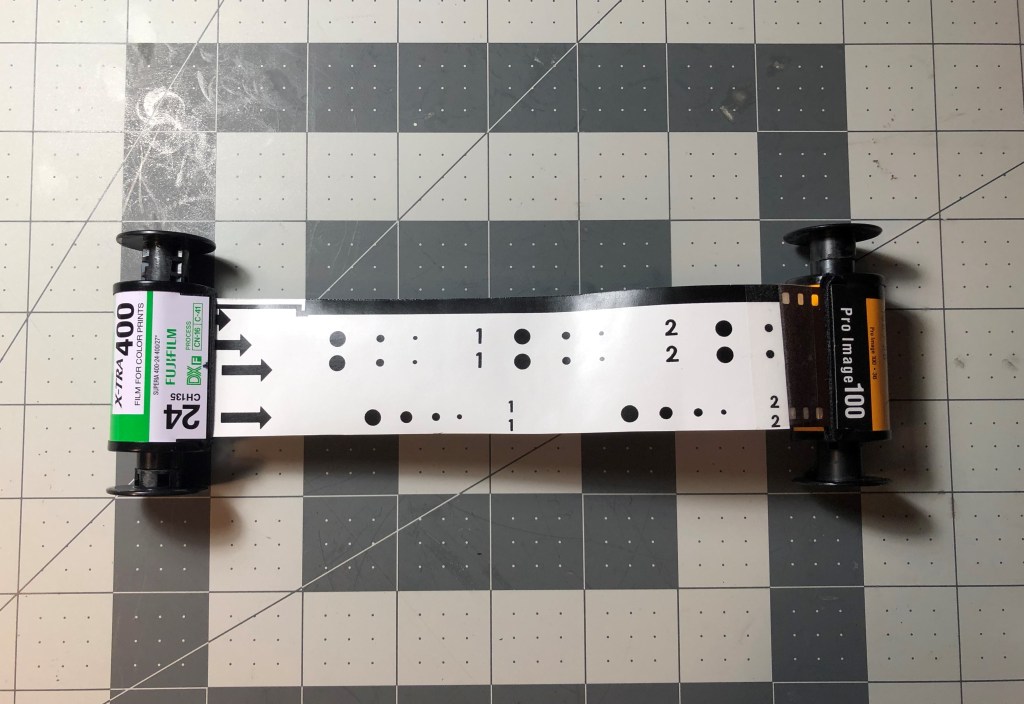
Step 2b: Then tape the other side of the paper to the film lead from the new film roll
Step 3: Transfer the film from the original cassette into the empty cassette in the dark bag. So now you have 2 cassettes connected, and the film will be transferred from the new cassette into the empty cassette. Of course the transfer process is done in the dark bag. Why you must transfer the film from new cassette to the empty one? Because the point of this method is to let you unload the film in day light. So when you finish the roll and wind all the film to its original cassette, you open the camera back to take the film out, the backing paper strip that you taped earlier will be there at the end of the roll, and you don’t loose any last photo.

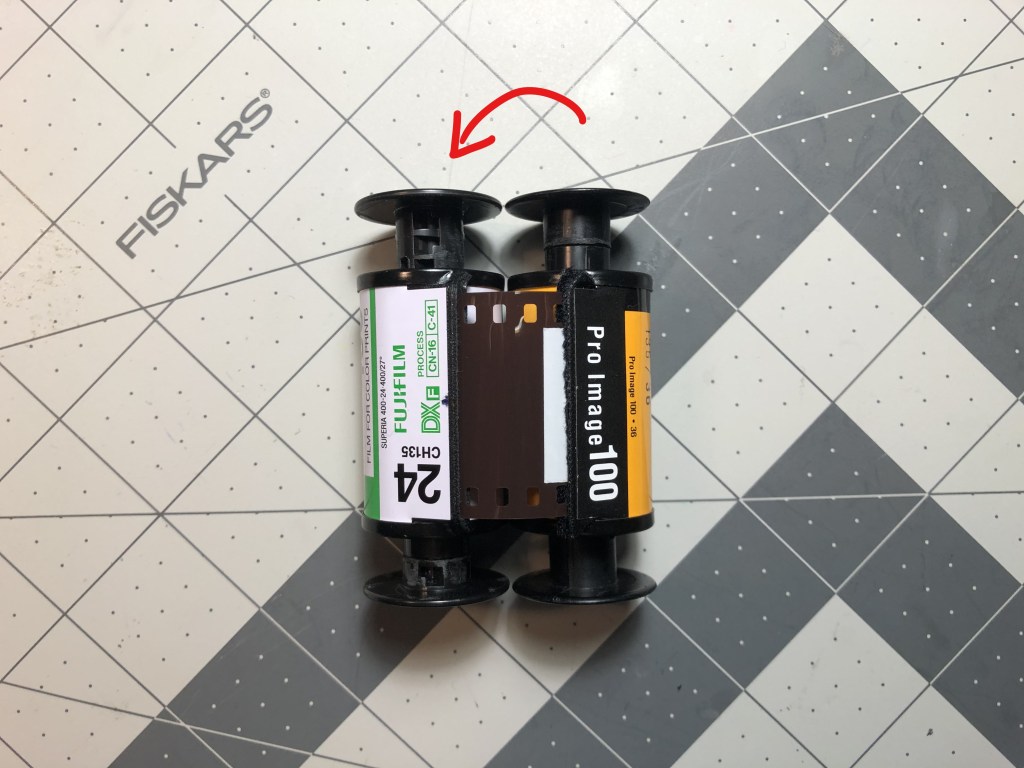
All the film was winded to the empty cassette, as you can see the white tape at the very end of the film roll is on the original cassette’s side.
Step 4: Cut out a rectangle in a piece of black paper, the dimension of the rectangle is 35x70mm. (This includes the area of the sprocket holes, if you don’t want to include the sprocket holes, cut out the rectangle 25x70mm). Then put this piece of paper on top of your ground glass. This is a guideline for your composition.
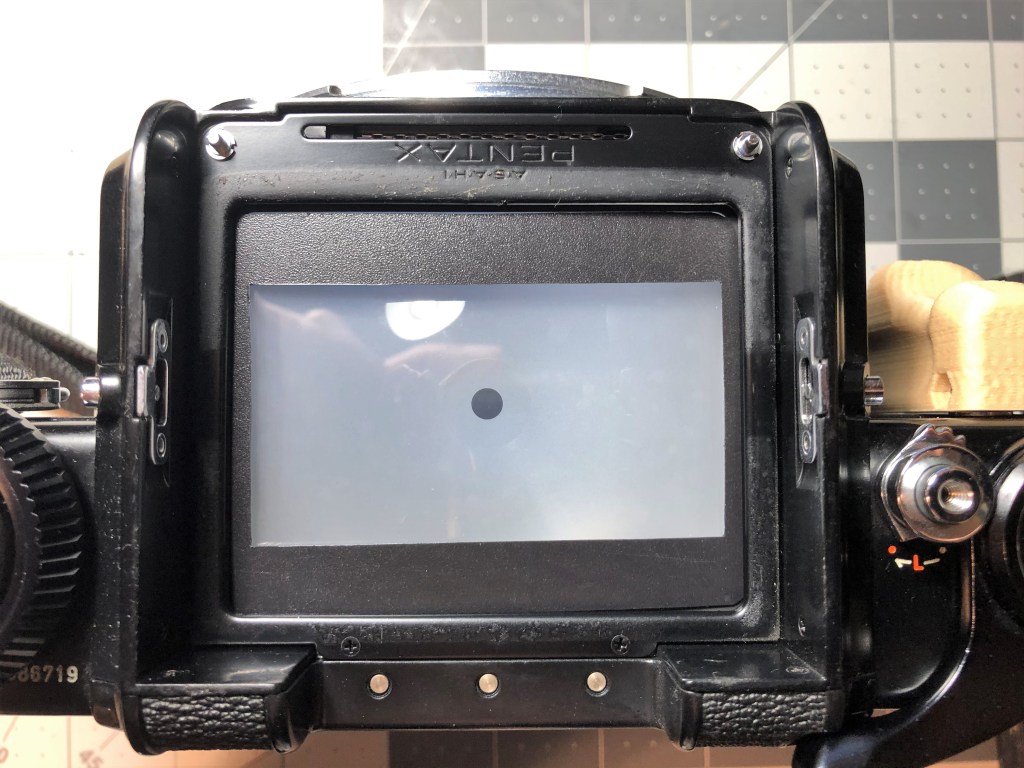
A cut out 35x70mm paper for composing in the viewfinder 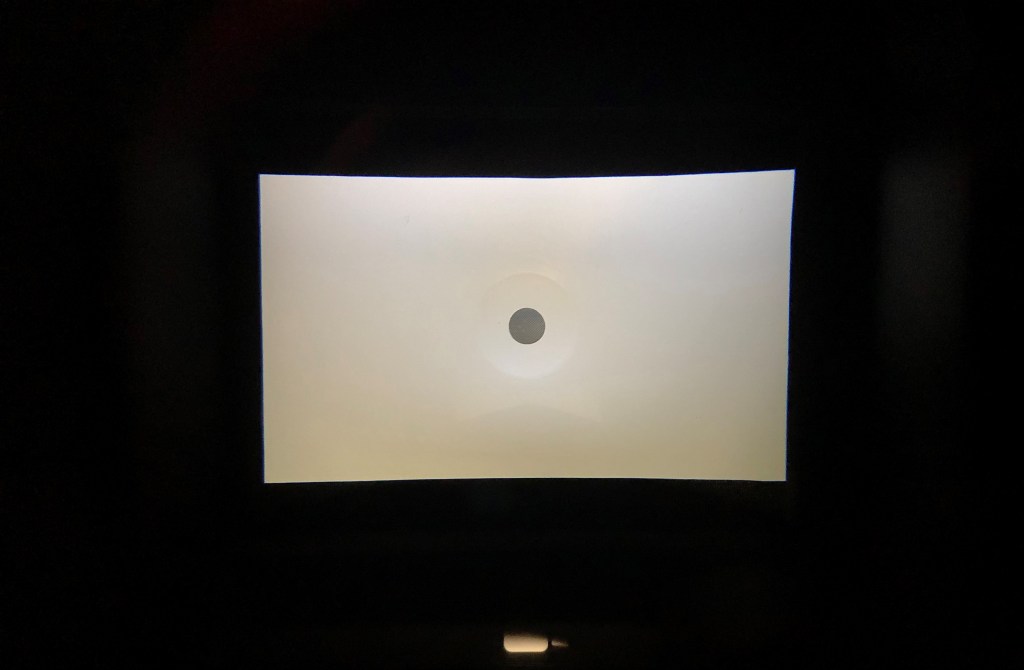
How you will see the aspect ratio looking through the viewfinder
Step 5: Load the film into the camera. Remember to put the old film cassette (which now contains the film inside) on the left side and the pick up cassette (which is the original cassette) on the right side. So now when you take the photos and advance the film, you are actually wind the film back to its original cassette.
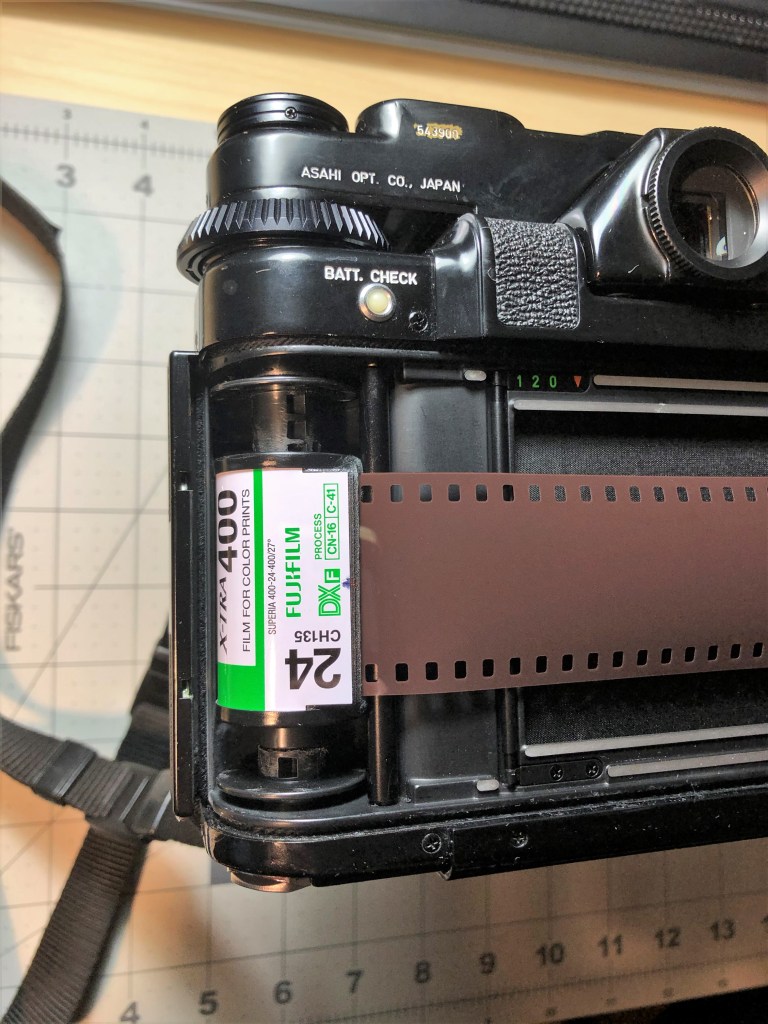
Film contained cassette on left side 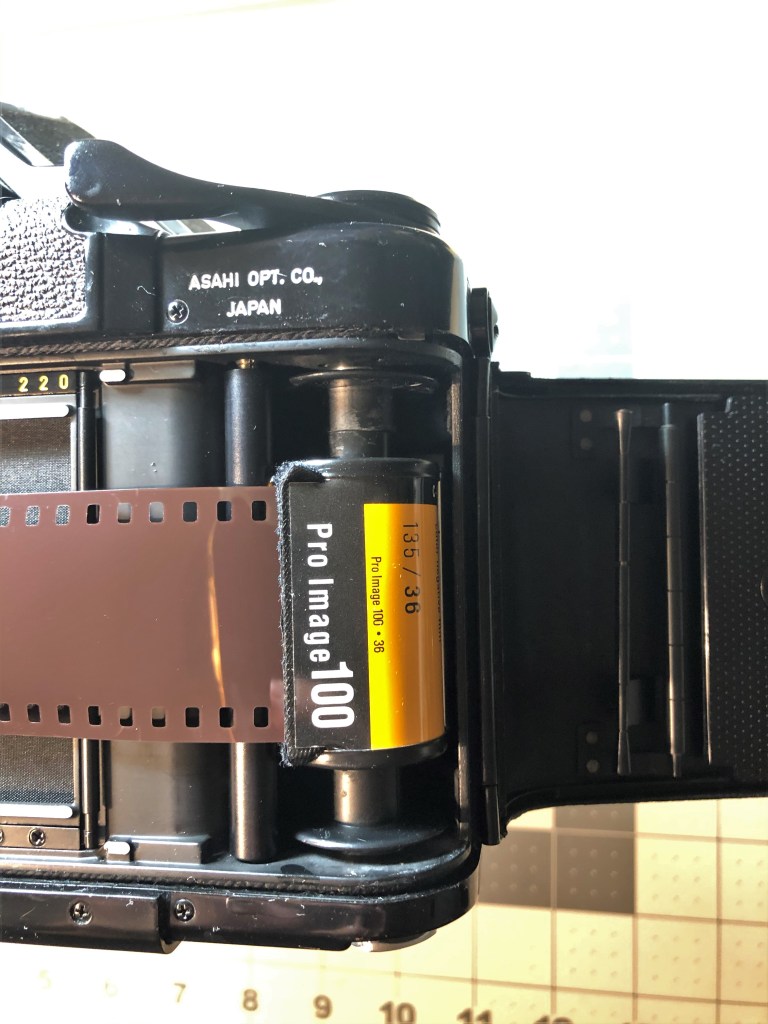
Pick up cassette on the right side 
Film will be transferred from the old cassette to the original one
Step 6: Finish the roll and unload the film. After you finish the roll, you can open the back and remove the cassettes out of the camera safely. You will see that the film in winded into the original cassette and the part exposes to the light when you open up the camera is the paper strip you taped in. You can just remove the film lead from the paper strip and reuse the old film cassette and the paper strip again.
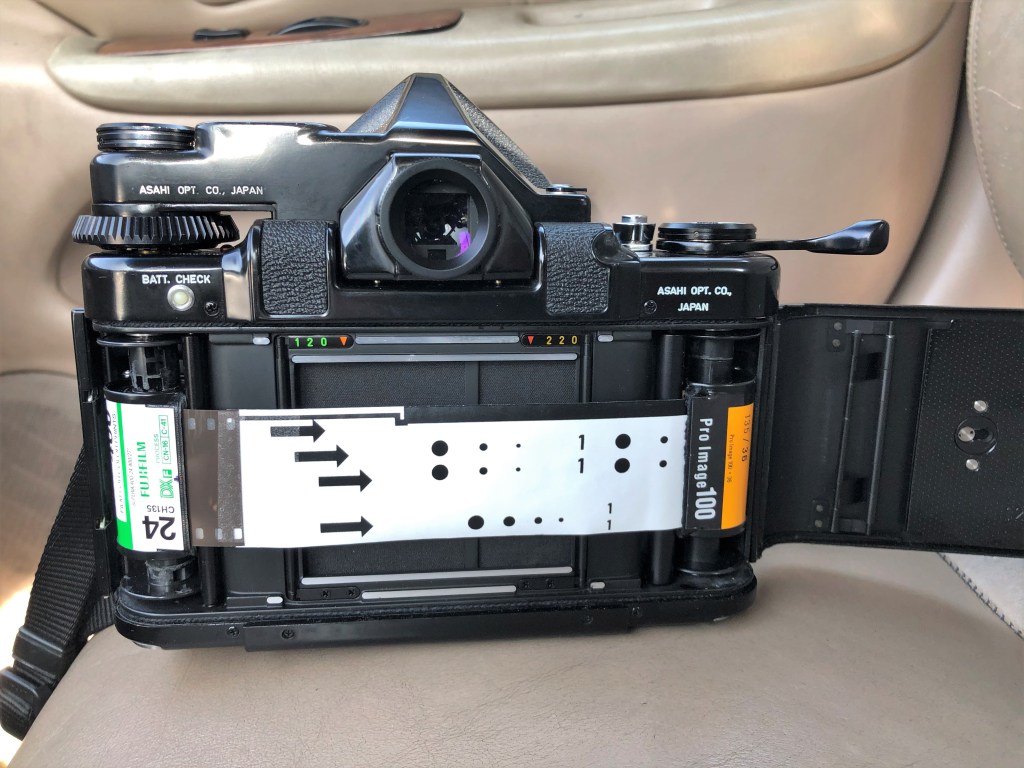
Open the back to unload film when you finish the roll
So now you have it, a method to take panoramic shots on your Pentax 6×7 without requiring going to dark room to unload your film. All you need to do is preparing your film upfront as a set of film cassette and pick up cassette, and you can have more freedom shooting in the field. I was able to get 15 shot out of the 36 exposes roll but I was messing with the loading part, I think if you can load the film more careful than me, you can get 18 out of the roll. I will update the exact number of the shots you can get when I finish the second roll.
Here’re some photos I made with this first try. Taken with Kodak ProImage 100.
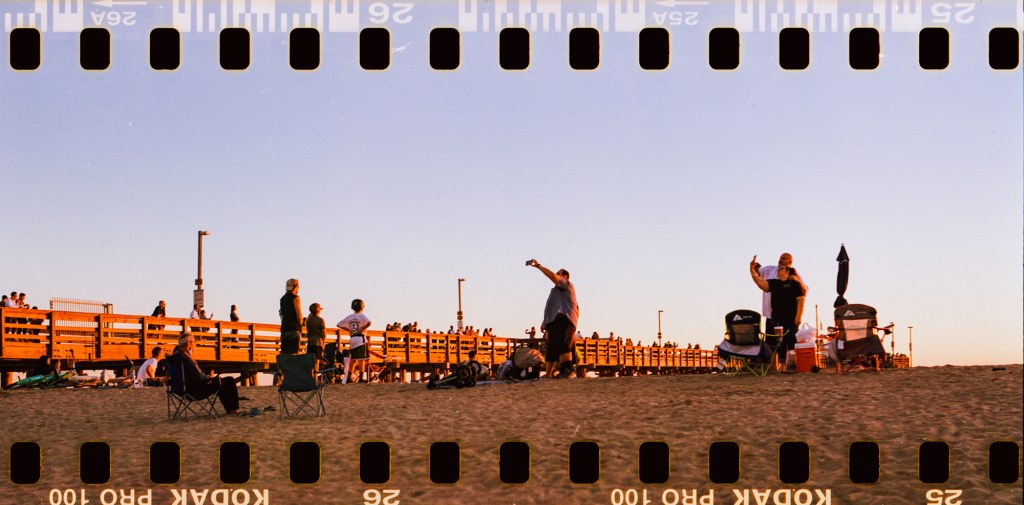
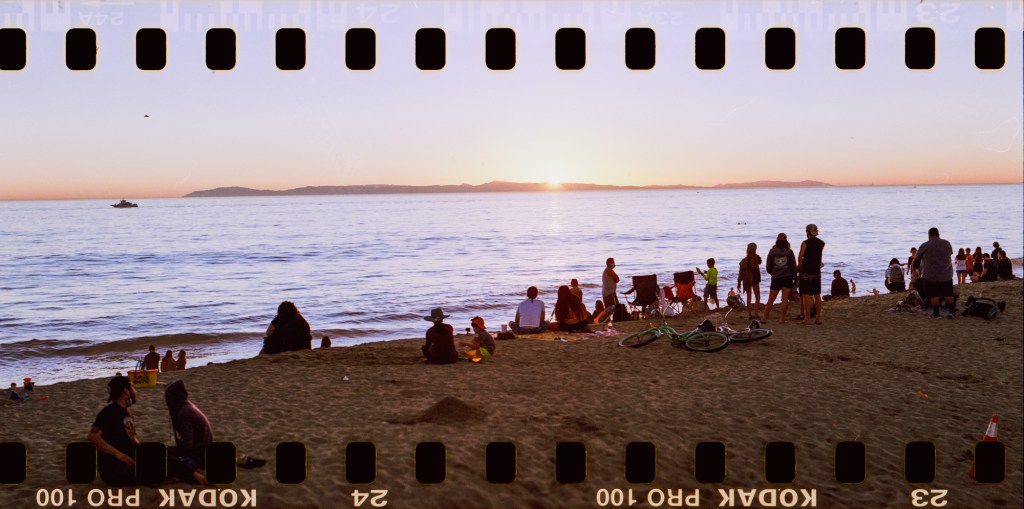
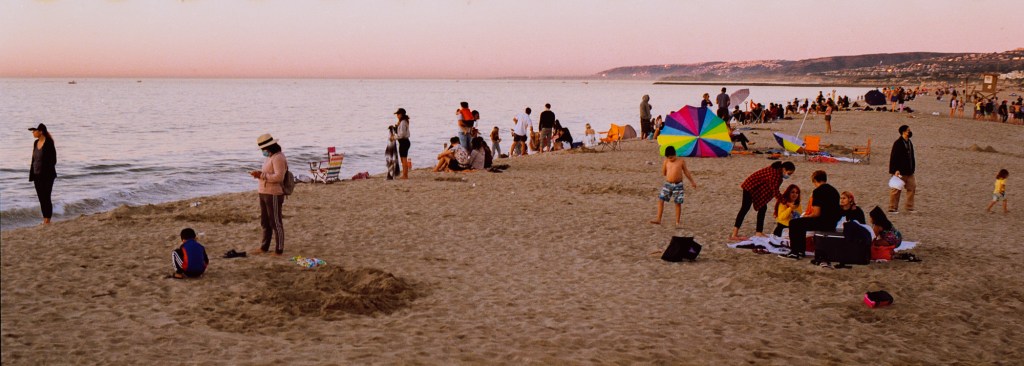


I love the photo of the man on the bike, it’s too bad that it’s underexposed but when I took the shot I knew this would work well on panoramic aspect ratio. You can also see that the ones with no sprocket holes are the ones I couldn’t get the horizon line straight 🙂
My favorites from the roll is this pair of photos, taking of the car in front of the house. I took the photo on the right side first and walked couple steps more to realize that the tail of the car and the scene was quite interesting and could make a good photo, so I took the second one. I think these 2 look very nice together because the continuation of the object, which is the car make the photos stand well next to each other. And I also like the idea of “the beginning is the end” cycle in the left photo, it’s not that literally but the photo starts with the head of the black car and ends with the tail of the silver car, like the end and the beginning come after each other. Or maybe I like series “Dark” a little too much 🙂


I love the last photo also. The frame feels a bit too much and messy but I like the overall feelings and colors of it.
Thank you for making it to the end. Hope you like these experimental photo ideas. Cheers!
a bit of everything

This post does not have a specific theme but just shots from the Pentax 6×7, and some personal thoughts in life.
I got myself a Pentax 6×7 MLU body from Japan last September, along with a 90mm Leaf Shutter lens. I chose the LS lens in regard of the ability to shoot with flash, I don’t feel very comfortable with the flash sync 1/30s of the Pentax focal plane body. Since I got the system, I’ve shot with it through 4 rolls of film. Of course this is not a big amount of photos I’ve made with the camera but it’s very precious to me. The Pentax is my first 6×7 camera, I wanted a 6×7 camera for roughly a year back then, since the hype of 6×7 overrules Youtube and film community on Facebook groups. I never like the design of a replicate 35mm camera for a 6×7 system from Pentax, to me it’s just ugly and unergonomic. But after doing research, I end up getting the Pentax 6×7, because (1) the Bronica GS-1 is not as good as the Pentax or Mamiya, (2) the Mamiya RB is super heavy (not all people find it too much to handle but I’m a small Asian girl, it’s of course too big and heavy for me), and (3) the Mamiya RZ is so out of my budget. So the Pentax seems like a best option. When I received the camera, it’s not as bad as I thought, I actually did like to hold it. Gradually I find the Pentax 6×7 is not ugly anymore but kinda cool, because it’s black and huge and the sound is freaking amazing[?]. I set it up with a right hand 3D printed grip for more ergonomic to handle and of course a strap as an insurance for an expensive camera.
Since it’s 6×7 negative, means that I get 10 shots from a 120 roll, I choose my subjects and compose more carefully. Still I got some ugly and illegitimate shots, but I think my first 4 rolls are not disappointed. Not just because I got myself some favorite shots but also because the experience of shooting a “professional format” with a “professional camera”. Don’t get me wrong, I don’t mean those professional things make me a better photographer, but it gives me the spirit of intention and fidelity in my photography work. To this point, I haven’t done any paid photography job so the purpose of purchasing a Pentax 6×7 medium format camera has nothing to do with my professional or career but simply a dedicated inquisitive nature. My enthusiasm for photography is naive, I don’t know if I can become a photographer or have people admire my work, I am doing this because I want to create something that matters to someone, anyone. I’m always in the struggle of defining the purpose of my life and if I matter to anything or anyone. The only thing I can do to keep me from beating up myself with this query is keeping creating work and hope for one day, my work will give me an answer.
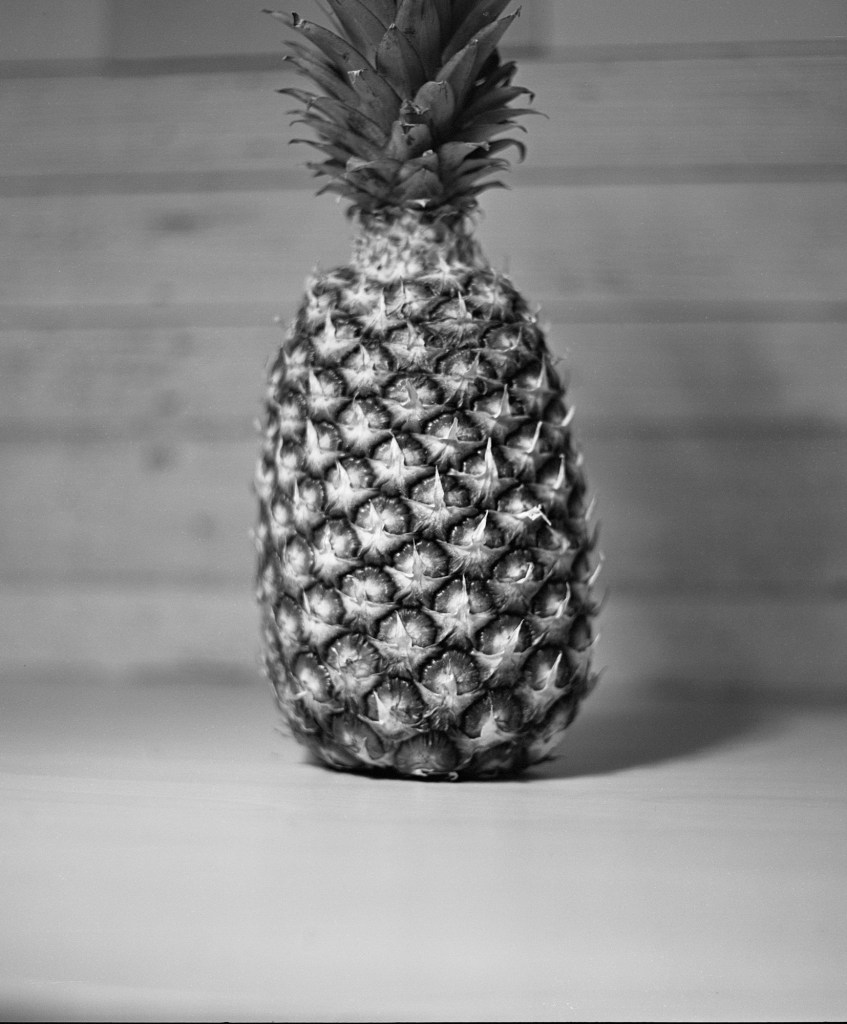
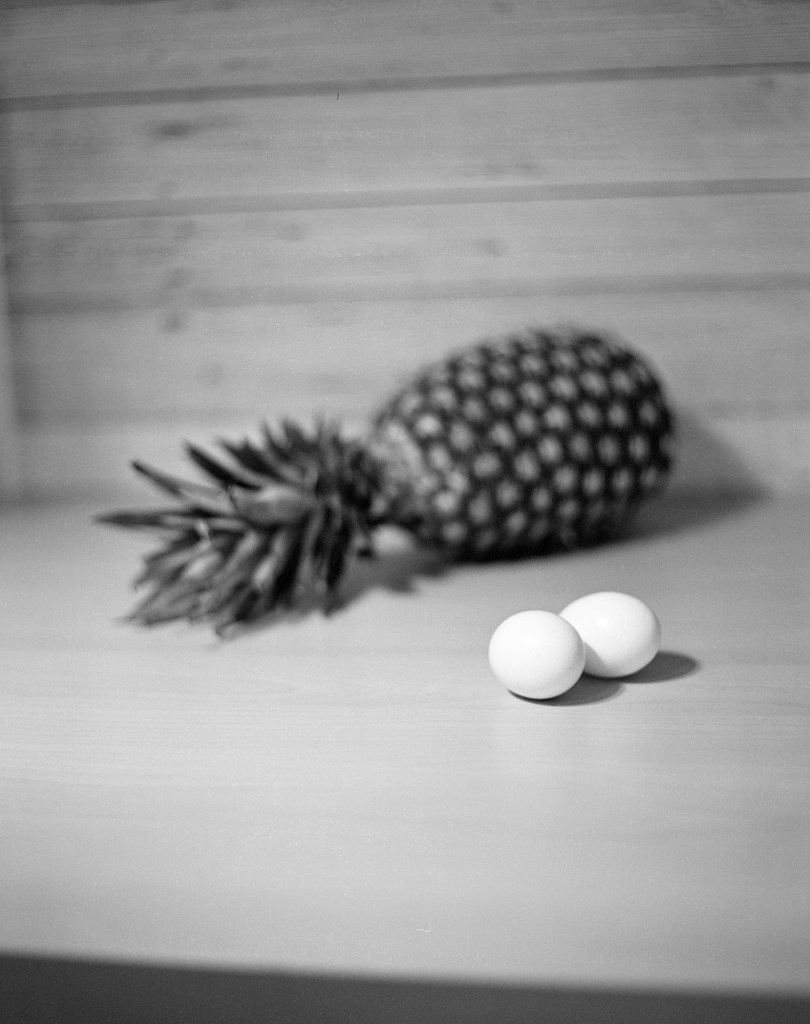
First shots I made with the Pentax 6×7 is still lives in my living room, shot with Ilford XP2. The main purpose of this is just testing out the camera to see if it works properly. The object I chose was a pineapple, because I like tropical fruits and the shape and texture of the pineapple is interesting to me. After a few shots with the pineapple, I decided to put more things in the frame, and I chose 2 eggs, because (1) 2 eggs and a pineapple makes it 3 objects in the frame, odd number of subjects is more pleasing to look at in general, (2) a pointy big pineapple is contrast with the round shape, smooth texture and small size of the eggs and (3) colorful contrast neutral (but you don’t see this in black and white photos, silly me). I like the contrast in life because things contrast each other doesn’t mean they are right and wrong, or against each other, they’re just simply different. It teaches me that everything may has its own way and we don’t necessary justify everything in order to accept it, we can just be opened and accept things or people for how they are.

The next 2 rolls I shot when riding a bicycle around my neighborhood. It’s fun to ride a bicycle just wander around and go to streets that you never go before. It reminds me of the time when I was 11~12, back then I was trying to ride bicycle and my friend was helping me and keep me company every afternoon that I went out and ride for an hour or so. Gradually, I didn’t ride bicycle every afternoon for practice anymore but because of it’s a pleasure time for me to hang out with my friend and passing by streets and scenes that elicited my curiosity and a strange urge to know/understand the stories behind visual things.
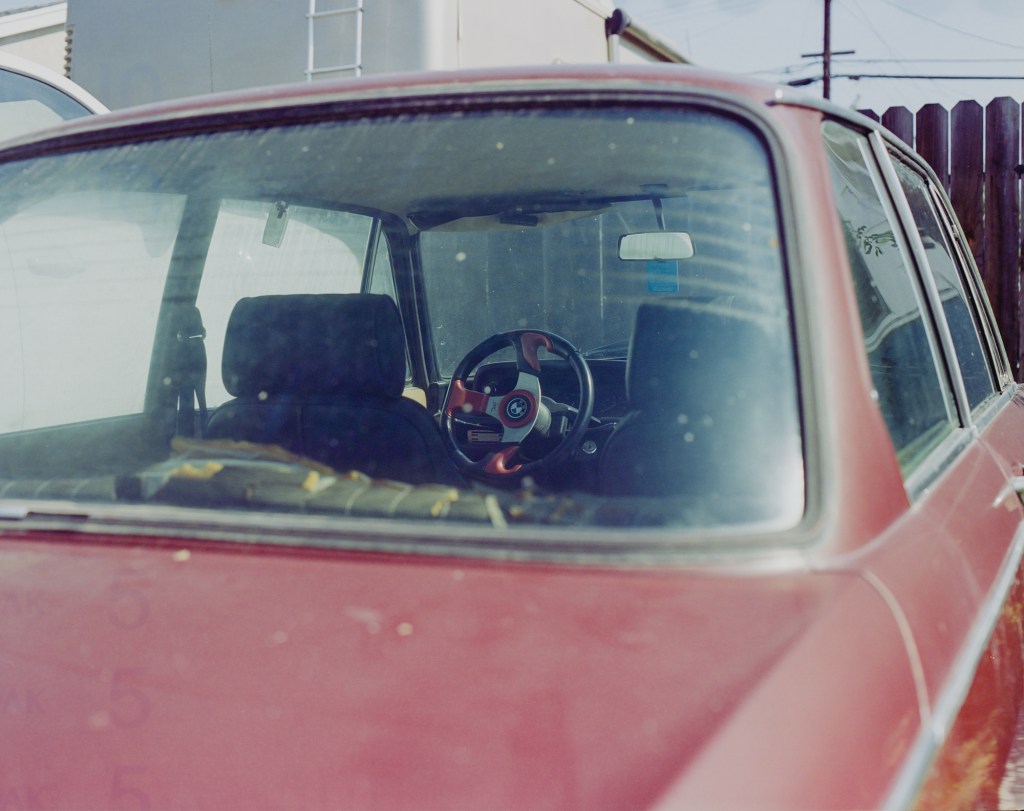
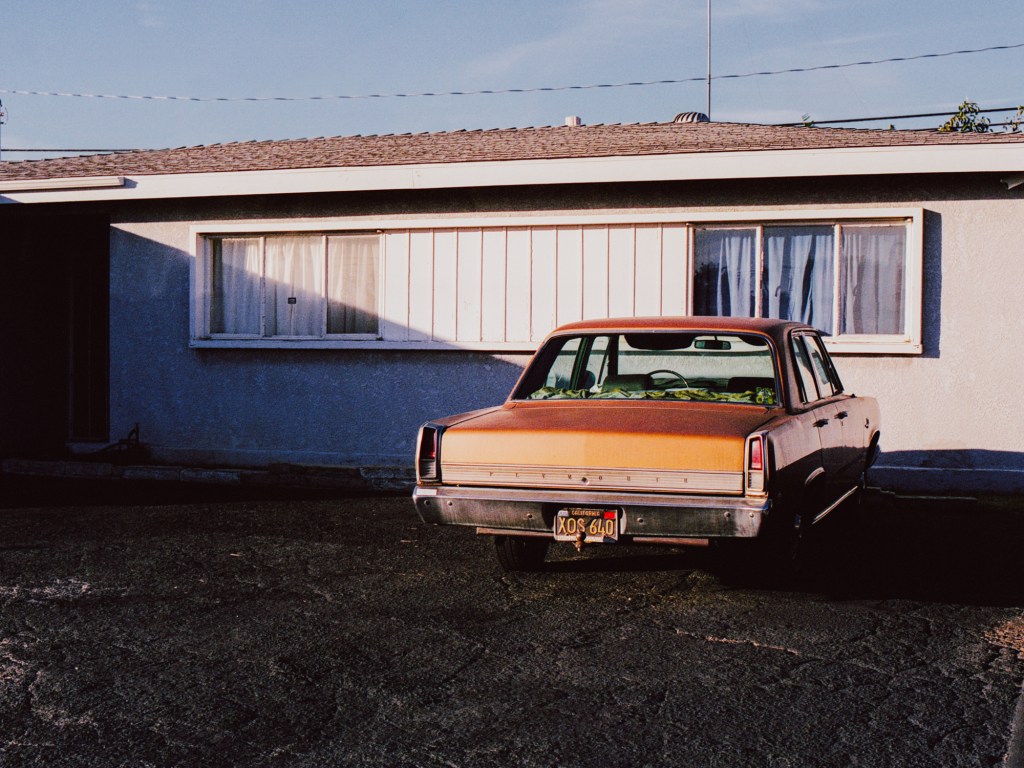
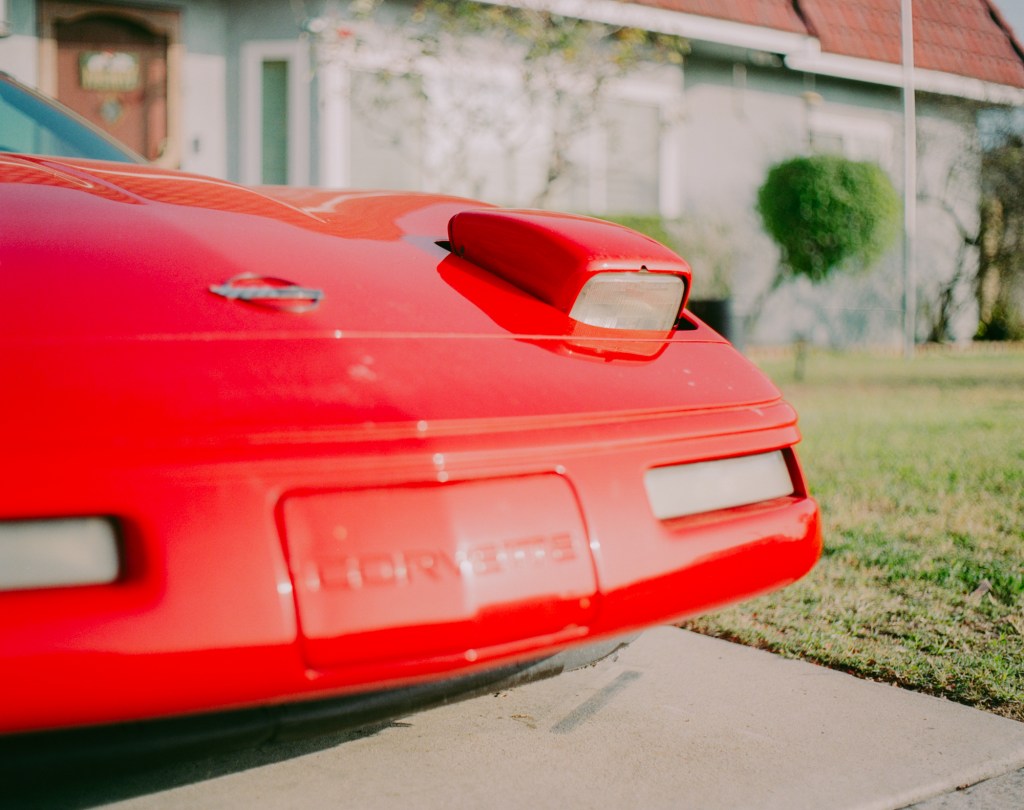
The first 2 photos I took to check out the shallow depth of field of the 90mm lens. I’m not sure why I shot a lots of cars with my Pentax but can’t denied they look quite cool on 6×7. My favorite photos are the one of the golden orange car packed in front of the windows with afternoon sunlight creating a clean line of light and shadow on the wall. I like the scene and the atmosphere here a lot. However the contrast between highlight and shadow is very high, it makes the shadows are too dark for my taste. The red car below is interesting to me because 1 of the head lights is half way up, makes the car has a sense of imperfection and uniqueness – something I’m always draw to.



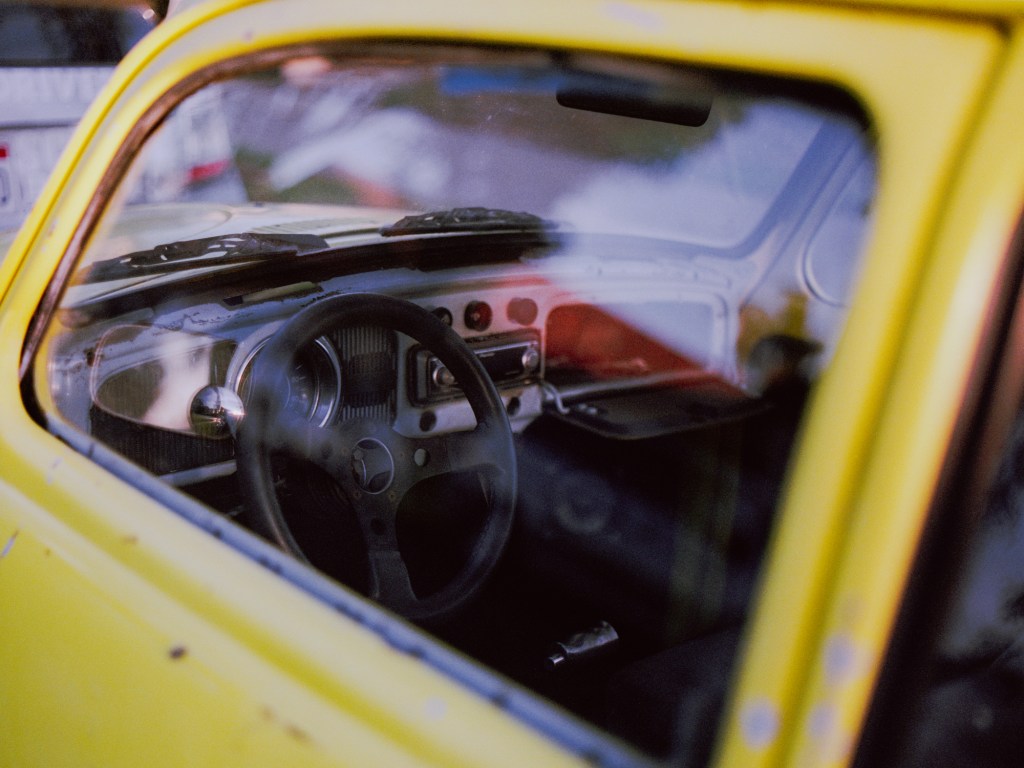

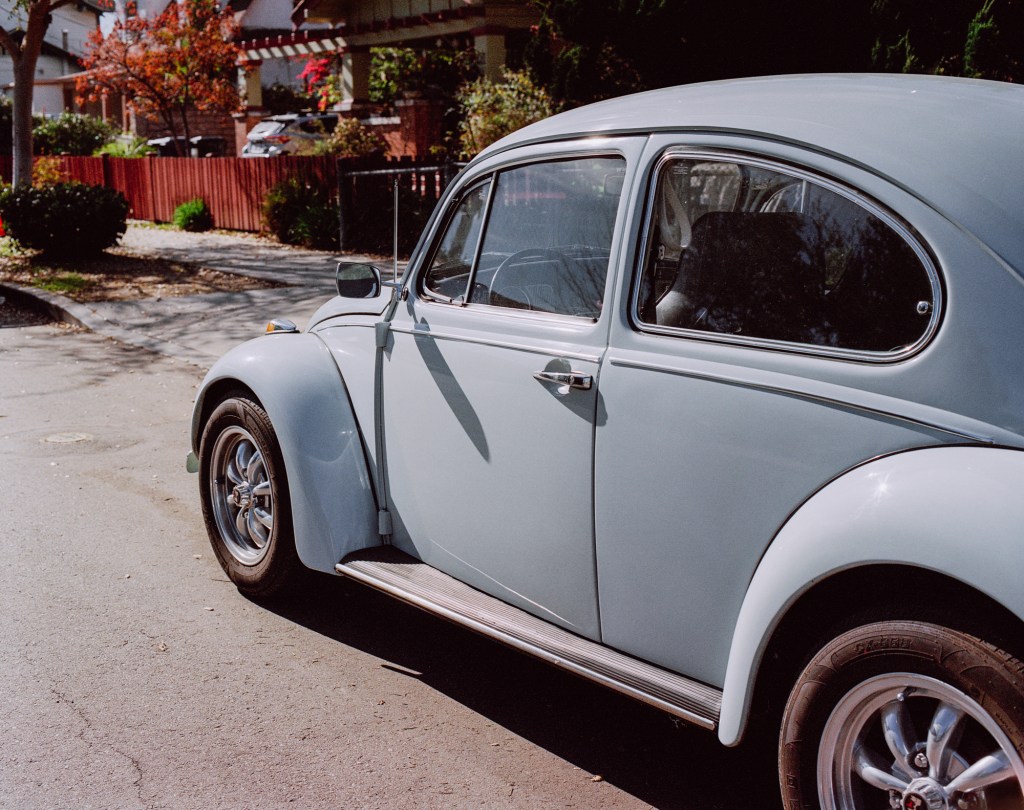
The baby blue car below is cute and classic to my eyes. I like the shot of the wheel from outside of the window the most. The red color from the steering wheel lock gives a attraction to the frame, also the subframe is quite nice.


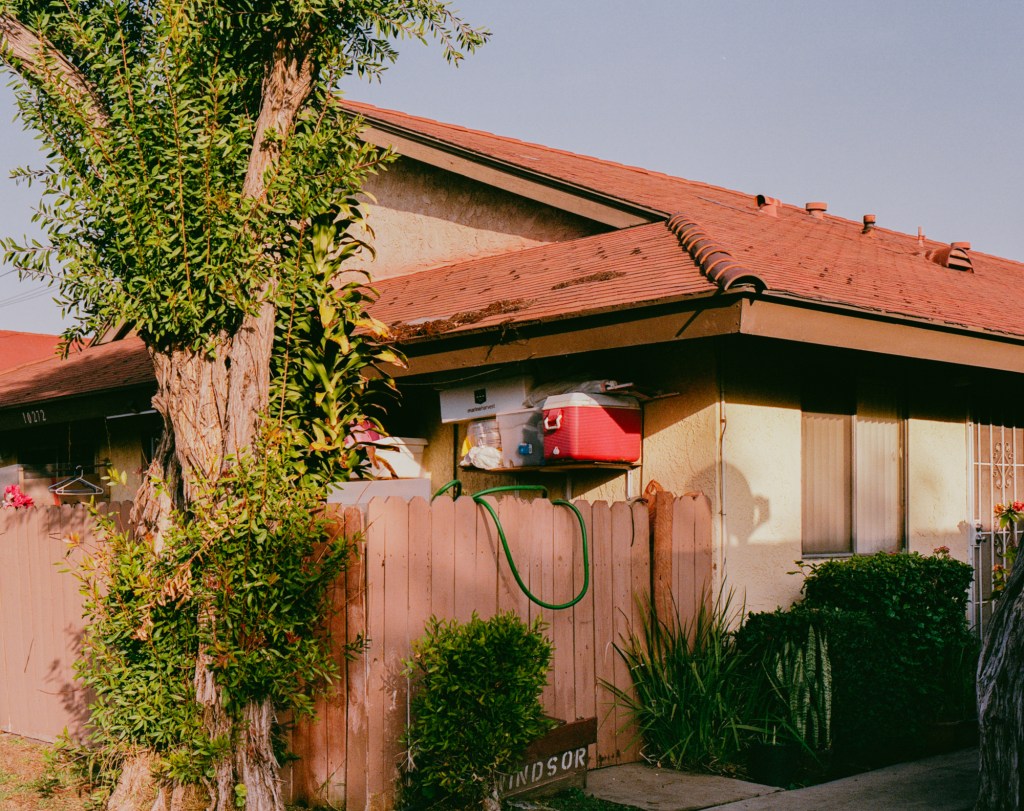
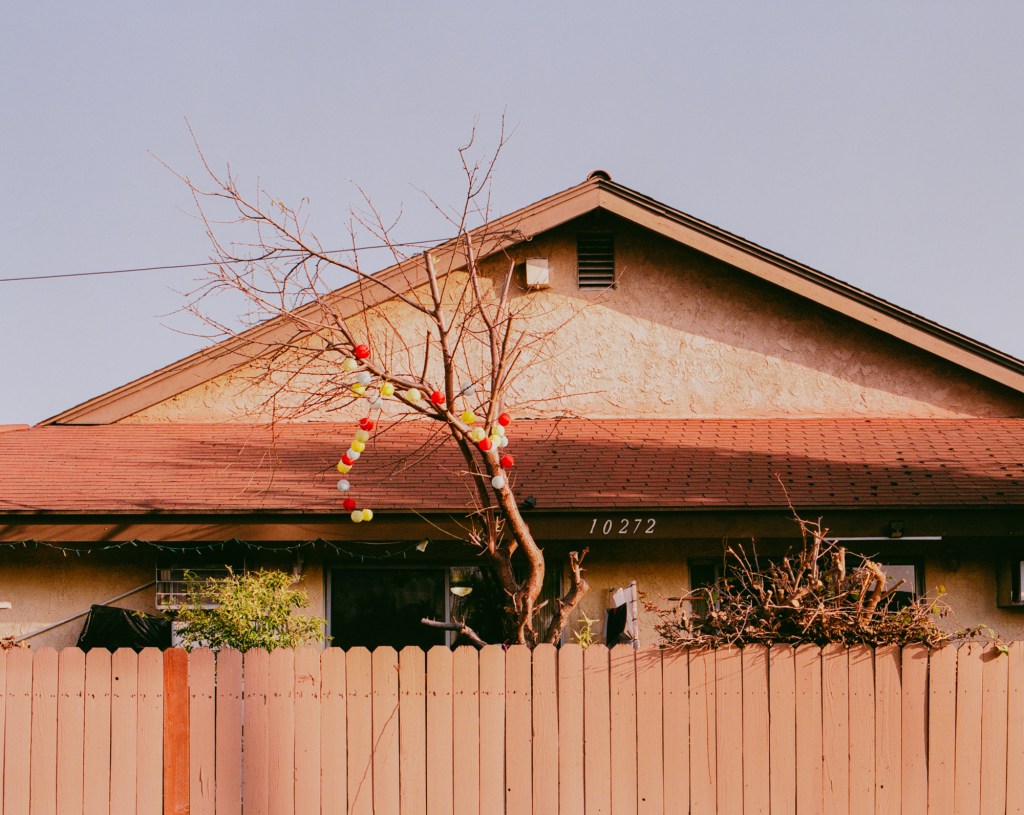
Next are some shots that feel very special to me. I’m from Vietnam, and I spent couple years in Saigon for my university study. There’s a area in Saigon that I usually went to with my friend for after school hang outs, called Thanh Đa. The places I went to with my friend back then were typical old, tight, a bit messy and mundane. Aside from all those adjectives, I still cannot find a proper word to define how was Thanh Đa exactly from my mind, but it feels very Vietnamese. And when I came across this street near my apartment here, I knew for sure it’s a Vietnamese community. The old houses and the tightness feeling and the way people hanging their stuff out on the walls, that all represent an old Vietnamese’s life style that I’m so familiar with. I don’t think these scenes are beautiful in other people’s eyes but to me they feel like a sad old poetic memory.

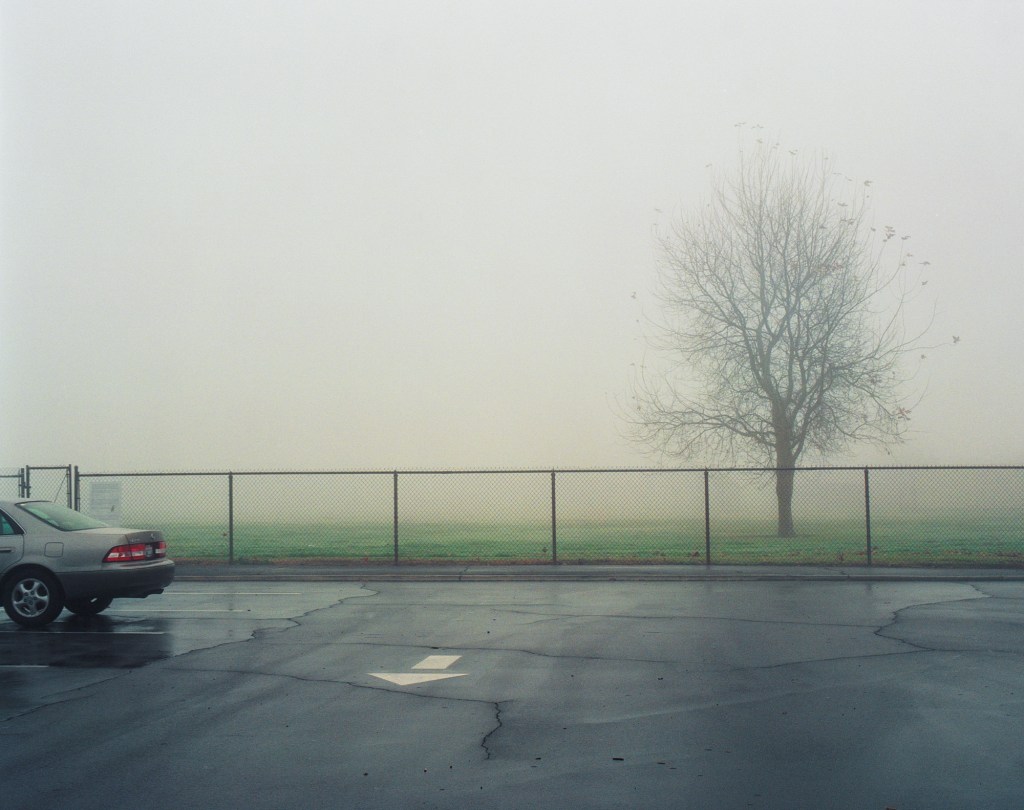
Final is some shots taken with Portra 800 in a rare foggy morning in my town. The tree standing there alone in the field feels very photogenic. I know that converting the photos to black and white will look more pleasing for these type of minimal shots but I personally don’t like minimalism style and “minimal shots + black and white” is too cliché for me. However, with these shots I was receiving a lots of helpful advices from fellows on Discord so I’m grateful for it.

Thank you for stopping by, hope my biography didn’t bore you to death. As always, leave a comment if you want to. Cheers!
 film sequence